
In the world of heavy equipment and industrial machinery, 14×17.5 tires play a crucial role in ensuring stability, traction, and durability. Whether used on loaders, skid steers, or compact construction vehicles, the right tire type can significantly influence performance, safety, and operating costs. For B2B buyers and equipment distributors, understanding tire specifications and choosing the appropriate model is key to maximizing operational efficiency.
Understanding the Role of 14×17.5 Tires
14×17.5 tires are widely used in industrial and construction settings because they provide a balance between load-bearing capacity, wear resistance, and traction. These tires are designed to handle rough terrains and heavy workloads, making them suitable for demanding work environments.
Key Advantages:
-
Enhanced durability — Built with thick tread and reinforced sidewalls to withstand punctures and abrasions.
-
Superior traction — Ideal for uneven and muddy terrains commonly found at construction sites.
-
Improved load capacity — Supports heavy machinery without compromising stability.
-
Reduced downtime — Long-lasting compounds minimize the need for frequent replacements.
Applications of 14×17.5 Tires in the Industrial Sector
These tires are compatible with a variety of equipment types, including:
-
Skid Steer Loaders — Ensures smooth maneuverability and traction in tight spaces.
-
Backhoe Loaders — Handles heavy loads efficiently while providing stable ground contact.
-
Compact Wheel Loaders — Perfect for construction, agriculture, and material handling.
-
Utility Equipment — Delivers consistent performance on mixed or rough surfaces.
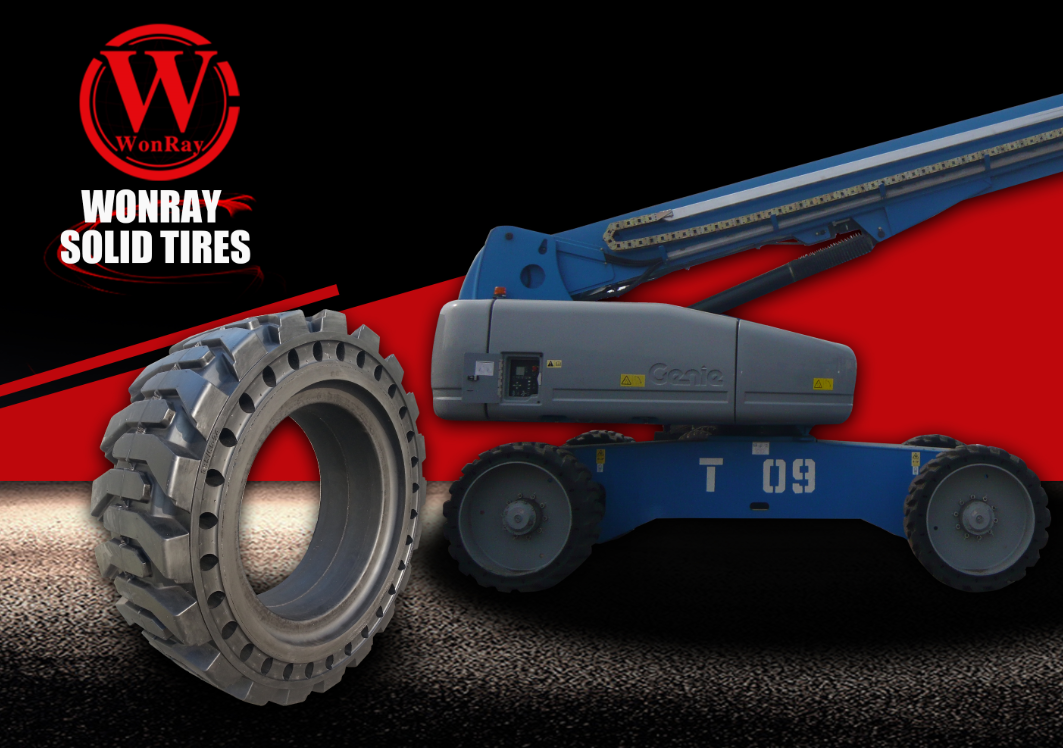
Choosing the Right 14×17.5 Tire for Your Business
When sourcing 14×17.5 tires for industrial use, consider the following factors:
-
Tread Pattern: Deep tread for off-road traction, smoother tread for mixed-use applications.
-
Ply Rating: Higher ply ratings provide greater strength and resistance for heavy-duty tasks.
-
Tire Compound: Choose a wear-resistant compound to extend lifespan and reduce replacement costs.
-
Supplier Reliability: Work with experienced manufacturers or distributors offering OEM services, export support, and consistent quality control.
Why B2B Buyers Should Prioritize Quality
Investing in premium 14×17.5 tires not only enhances safety and efficiency but also reduces total ownership costs. Reliable suppliers provide consistent performance, technical support, and product warranties—critical for maintaining equipment uptime in commercial operations.
Conclusion
In today’s competitive industrial landscape, choosing the right 14×17.5 tires means investing in long-term performance, reliability, and operational savings. For businesses managing fleets or supplying construction equipment, partnering with a trusted tire manufacturer ensures consistent quality, safety, and productivity on every job site.
Frequently Asked Questions (FAQ)
Q1: What machines use 14×17.5 tires?
A1: These tires are commonly used on skid steers, backhoe loaders, and compact wheel loaders in construction and industrial environments.
Q2: Are 14×17.5 tires available in solid or pneumatic versions?
A2: Yes. They come in both solid and pneumatic types—solid tires are puncture-proof, while pneumatic tires offer better cushioning.
Q3: How often should 14×17.5 tires be replaced?
A3: Replacement intervals depend on usage conditions, load weight, and surface type, but high-quality tires typically last longer with proper maintenance.
Q4: Can I order 14×17.5 tires in bulk for export?
A4: Absolutely. Many B2B tire suppliers offer wholesale pricing, OEM customization, and global shipping options to support industrial buyers
Post time: 22-10-2025