
In modern construction, mining, and material handling environments, wheel loaders are expected to work continuously under extreme loads and harsh ground conditions. Tire performance directly affects productivity, safety, and operational cost, making it a critical decision for equipment owners. Solid tires for wheel loaders have become a preferred solution in demanding applications where downtime is expensive and working conditions are unpredictable.
Unlike pneumatic tires, solid tires are engineered for durability and resistance to punctures, making them highly suitable for intensive industrial use. Their growing adoption reflects a shift toward longer service life and reduced maintenance dependency in heavy-duty operations.
What Makes Solid Tires Suitable for Wheel Loaders in Demanding Environments
Wheel loaders are often used in environments such as steel plants, ports, mining sites, and recycling facilities where sharp debris, uneven surfaces, and heavy loads are constant challenges. Traditional air-filled tires are vulnerable to punctures and blowouts, which can lead to costly interruptions and safety risks.
Solid tires eliminate the need for air pressure entirely, meaning they are not affected by punctures or rapid deflation. This structural advantage allows wheel loaders to maintain consistent performance even in the harshest working conditions. The reinforced rubber construction also improves stability when handling heavy materials, especially during repetitive loading and short-distance transport cycles.
As industries prioritize operational continuity, solid tires have become an increasingly practical option for reducing unexpected downtime and maintaining consistent output.
Key Advantages of Solid Tires for Wheel Loaders in Industrial Applications
Solid tires offer a wide range of operational benefits that make them highly suitable for wheel loaders working in demanding environments.
● Exceptional puncture resistance ensures uninterrupted operation in debris-filled or hazardous sites
● High load-bearing capacity supports heavy material handling without deformation
● Extended service life reduces replacement frequency and long-term tire expenditure
● Improved machine stability enhances operator safety during lifting and dumping cycles
● Reduced downtime compared to pneumatic alternatives increases overall productivity
● Consistent performance in extreme environments such as scrap yards, quarries, and ports
These advantages make solid tires especially valuable in operations where equipment reliability directly influences profitability. Although the initial investment may be higher compared to standard pneumatic tires, the long-term operational savings often justify the cost.
Performance in Harsh Working Conditions
Wheel loaders frequently operate on abrasive and uneven terrain, where tire wear is accelerated. Solid tires are specifically designed to withstand these challenges by using multi-layer rubber compounds that distribute load stress more evenly across the surface.
In high-impact environments such as demolition sites or metal recycling facilities, sharp debris can quickly damage conventional tires. Solid tires maintain structural integrity even when exposed to nails, metal fragments, or broken concrete. This resistance significantly reduces the risk of sudden failure during operation.
Another important performance factor is heat resistance. Continuous loading cycles generate friction and temperature buildup, which can weaken standard tires over time. Solid tires are engineered to tolerate higher working temperatures, ensuring stable performance during long operational shifts.
Additionally, their rigid construction improves sidewall stability, which is particularly important when wheel loaders are carrying uneven or shifting loads. This helps reduce tire deformation during turning and lifting operations, improving overall machine control.
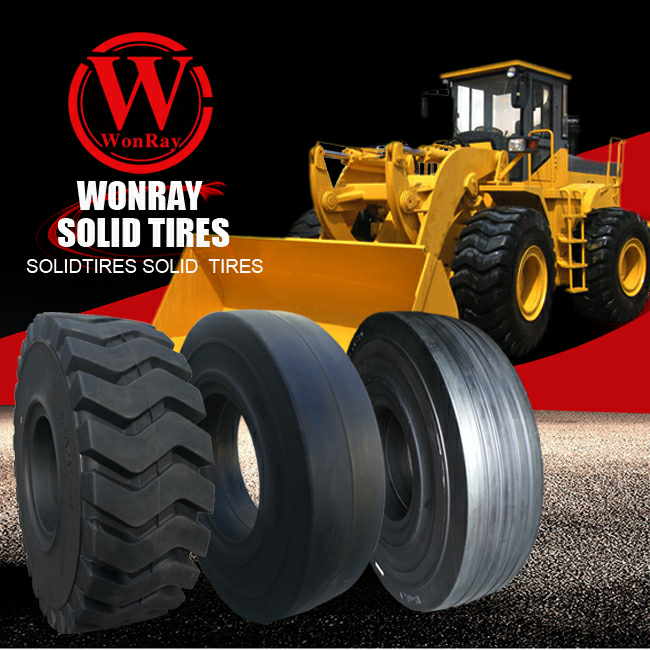
Cost Efficiency and Long-Term Value Considerations
While solid tires for wheel loaders typically require a higher initial purchase cost, their long-term economic benefits are substantial. The most significant cost-saving factor is the reduction in unplanned downtime. In heavy industries, even a short equipment stoppage can lead to production delays and financial loss.
Maintenance costs are also significantly reduced because solid tires do not require air pressure monitoring, frequent repairs, or puncture-related servicing. This reduces the need for spare tire inventory and emergency replacement logistics.
From a lifecycle perspective, solid tires often outlast multiple sets of pneumatic tires, particularly in aggressive working environments. This extended lifespan translates into lower cost per operating hour, which is a critical metric for fleet managers and equipment operators.
Fuel efficiency can also be indirectly improved in some cases, as stable tire performance reduces rolling inconsistencies and unnecessary machine strain. Although the difference may vary depending on application, the overall operational efficiency tends to improve over time.
Installation and Maintenance Considerations
Installing solid tires on wheel loaders requires appropriate equipment due to their dense structure and weight. Professional installation is generally recommended to ensure proper fitment and safe operation. Once installed, however, maintenance requirements are minimal compared to traditional tire systems.
Operators do not need to monitor air pressure or worry about slow leaks. Routine inspections typically focus on surface wear, edge damage, and general condition rather than internal pressure issues. This simplifies maintenance planning and reduces the workload for technical teams.
In high-utilization fleets, this simplicity can significantly streamline operational management and improve equipment availability rates.
Application Scenarios Where Solid Tires Perform Best
Solid tires are not necessary for every wheel loader application, but they are particularly effective in specific environments where durability and uptime are critical.
Common use cases include industrial facilities with sharp debris, such as steel manufacturing plants and scrap yards, as well as mining and quarry operations where terrain is extremely rough. They are also widely used in ports and logistics hubs where wheel loaders operate continuously for loading and unloading heavy cargo.
In these environments, the risk of tire damage is high enough that solid tires often become the most cost-effective and operationally reliable choice.
FAQ:
1. Are solid tires better than pneumatic tires for wheel loaders?
Solid tires are generally better in environments where puncture risk is high and downtime must be minimized. Pneumatic tires may offer better shock absorption, but solid tires provide far superior durability and reliability in harsh industrial conditions.
2. Do solid tires affect wheel loader performance or comfort?
Solid tires can feel stiffer compared to air-filled tires, which may slightly reduce shock absorption. However, in heavy-duty applications, the trade-off is often acceptable because of the significant improvement in stability, load capacity, and operational uptime.
3. How long do solid tires for wheel loaders typically last?
Service life depends on working conditions, but solid tires can last significantly longer than pneumatic tires in abrasive environments. In some industrial applications, they may last two to three times longer, especially where puncture risks are frequent.
4. Can solid tires be repaired if damaged?
Minor surface damage can sometimes be managed depending on severity, but solid tires are generally not repaired in the same way as pneumatic tires. In most cases, replacement is the standard solution when wear reaches a critical level.
Conclusion
Solid tires for wheel loaders represent a practical and long-term solution for industries that prioritize durability, safety, and operational efficiency. Their ability to withstand harsh environments, reduce downtime, and deliver consistent performance makes them an increasingly important choice in heavy-duty applications.
As industrial demands continue to rise, equipment reliability becomes a key competitive factor. Choosing solid tires is not only a technical decision but also a strategic investment in productivity and cost control over the entire lifecycle of wheel loader operations.
Post time: 04-06-2026