
Telehandlers often work where ordinary tires face constant pressure from heavy loads, uneven ground, and sharp site debris. For construction, agriculture, logistics yards, and industrial material handling, solid tires provide a durable option that helps reduce puncture-related downtime and maintenance pressure.
Why Telehandler Tires Need Stronger Durability
Telehandlers are widely used because they combine lifting height, forward reach, and material handling flexibility. They may carry pallets of building materials, steel frames, bricks, timber, agricultural products, machinery parts, or bulk goods across mixed ground conditions. Unlike forklifts that often work on relatively flat warehouse floors, telehandlers frequently operate outdoors, where tire damage risks are much higher.
Construction sites may contain nails, rebar ends, broken concrete, stones, metal pieces, and wood fragments. Agricultural and industrial yards may include compacted soil, gravel, uneven surfaces, and sharp debris. In these environments, pneumatic tires may suffer punctures, pressure loss, or sidewall damage. Once a tire fails, the machine may stop during a critical lifting or transport task, which can delay the entire work schedule.
Telehandler solid tires are designed to solve these operating challenges. Because they do not contain air, they eliminate flats caused by punctures and provide stable support for low-speed, heavy-load work.
Designed for Lifting, Carrying, and Site Movement
A telehandler tire must support more than simple driving. When the boom extends forward, load pressure changes and the machine’s balance becomes more sensitive. Tires must provide stable ground contact during lifting, turning, reversing, and traveling with materials.
Solid tires help support this stability by maintaining consistent structure without air pressure variation. This is important for machines that repeatedly move between loading zones, storage areas, work platforms, and outdoor yards. The tire must remain dependable across changing surface conditions.
For B2B users, tire reliability directly affects machine utilization. A telehandler may be shared across several tasks in one project, from unloading trucks to feeding materials to elevated work zones. If the machine is unavailable because of tire problems, multiple teams may be affected.
Key Advantages of Telehandler Solid Tires
Telehandler solid tires are suitable for operations where puncture risk, heavy loads, and rough surfaces are daily concerns. Their value is especially clear for companies managing construction equipment fleets, rental machines, agricultural handling equipment, or industrial yard vehicles.
● Puncture-free construction helps prevent flats caused by nails, metal scraps, sharp stones, rebar, and broken construction materials.
● Heavy-load stability supports telehandlers carrying pallets, blocks, timber, steel components, bulk materials, and industrial goods.
● Durable rubber compound helps resist cutting, tearing, abrasion, and chunking on rough outdoor surfaces.
● Stable tire structure supports better machine balance during low-speed lifting, traveling, and positioning.
● Low maintenance design removes the need for inflation checks, air pressure correction, and puncture repairs.
● Strong sidewall performance helps resist impact from debris, curbs, stones, and uneven site edges.
● Long service life helps reduce tire replacement frequency in high-use equipment fleets.
● Suitable tread design can support traction on concrete, gravel, compacted soil, paved yards, and industrial surfaces.
These advantages make solid tires a practical option for telehandlers that work in harsh environments where pneumatic tire damage happens frequently.
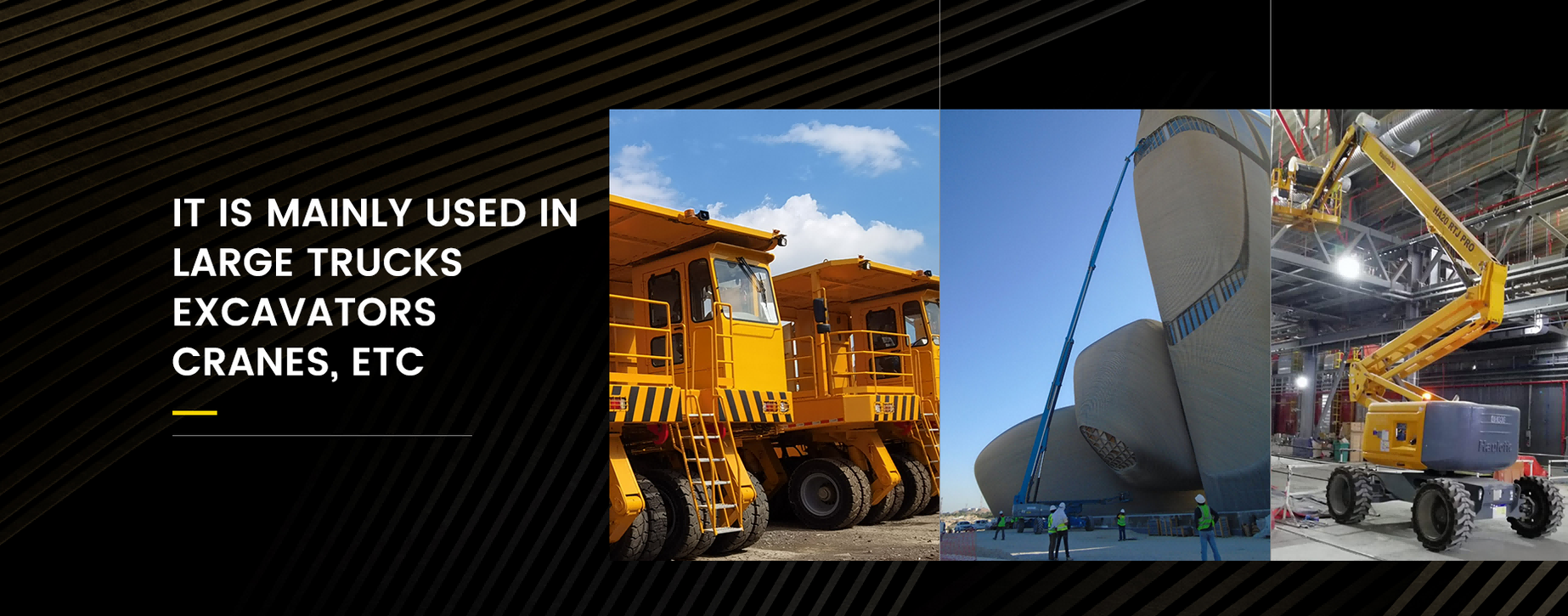
Applications in Construction Sites
Construction sites are among the most common environments for telehandlers. These machines move bricks, blocks, roofing materials, steel parts, timber, insulation, pipes, and other building supplies. Ground conditions can change throughout the project, especially when areas are still unfinished.
Telehandler solid tires help reduce tire-related delays by resisting punctures and damage from jobsite debris. This is valuable when projects operate under tight schedules and equipment must remain available for material distribution.
In building construction, roadwork, infrastructure projects, and industrial installation sites, solid tires can help telehandlers continue working even when the ground is not perfectly prepared. This makes them especially useful during early-stage or heavy-material handling phases.
Applications in Agriculture and Outdoor Storage
Telehandlers are also widely used in agriculture, feed operations, and outdoor storage yards. They may move hay bales, fertilizer bags, pallets, containers, timber, equipment parts, or bulk supplies. These environments often involve uneven ground, mud, gravel, compacted soil, and organic debris.
Pneumatic tires may offer cushioning, but they can also be vulnerable to punctures and pressure loss. Solid tires provide a more damage-resistant option for low-speed handling. They help operators avoid downtime caused by sharp objects or rough surfaces.
For farms, agricultural contractors, and storage operators, this means fewer tire interruptions during busy working seasons or high-volume handling periods.
Applications in Industrial and Logistics Yards
In industrial yards, telehandlers often support heavy material movement. They may handle steel products, machinery components, containers, packaged goods, construction supplies, or recycling materials. These sites can include rough concrete, metal fragments, pallet debris, and uneven traffic routes.
Solid tires are useful in these operations because they provide stable load support and resist tire hazards commonly found in industrial yards. For logistics and rental companies, this can improve equipment availability and reduce emergency service calls.
A telehandler equipped with durable solid tires can be assigned to tougher jobs with more confidence, especially when the application does not require high-speed road travel.
Reducing Maintenance Pressure for Equipment Fleets
Fleet managers need tire solutions that reduce unexpected service events. Pneumatic tire maintenance can include pressure monitoring, leak repair, puncture repair, and emergency replacement. In large fleets or rental operations, these issues can increase labor and reduce machine availability.
Telehandler solid tires simplify tire management. Operators do not need to check inflation, and maintenance teams do not need to repair punctures. Regular inspection is still necessary to monitor wear, cuts, or abnormal damage, but daily tire maintenance becomes easier and more predictable.
This low-maintenance advantage is important for rental companies, contractors, farms, and industrial operators that need machines ready for use at short notice.
Long-Term Value in Harsh Working Conditions
The total value of a telehandler tire should be measured by uptime, durability, maintenance demand, and performance under real jobsite conditions. A tire that prevents frequent stoppages can help reduce hidden costs such as delayed work, idle labor, missed loading schedules, and emergency repair expenses.
Solid tires are especially valuable where punctures are common and equipment downtime is costly. Their durable structure helps extend service intervals and supports more reliable equipment planning.
For B2B operations, telehandler solid tires provide practical value by helping machines work longer with fewer tire-related interruptions.
Summary
Telehandler solid tires are designed for heavy-load, low-speed material handling in construction sites, agricultural yards, logistics areas, and industrial storage environments. Their puncture-free structure, strong load stability, durable rubber compound, and low maintenance requirements help reduce downtime and improve machine availability.
For businesses that rely on telehandlers to move heavy materials across rough or debris-filled surfaces, solid tires offer a reliable solution for long-term productivity and fleet efficiency.
FAQ
1、What are telehandler solid tires used for?
Telehandler solid tires are used on telehandlers working in construction sites, agricultural yards, outdoor storage areas, industrial yards, and heavy material handling environments.
2、Are telehandler solid tires puncture-free?
Yes. They do not contain air, so they eliminate flats caused by punctures and air leakage.
3、Can telehandler solid tires handle heavy loads?
Yes. They are designed to support low-speed heavy-load applications, including pallets, building materials, steel parts, timber, and bulk goods.
4、Are solid tires suitable for all telehandler applications?
They are best suited for low-speed, rough, puncture-risk environments. For applications requiring high-speed travel or special cushioning needs, tire selection should match the actual working condition.
Post time: 15-05-2026