
In the metallurgical industry, heavy-duty vehicles such as forklifts, overhead cranes, and industrial carts play a critical role in transporting raw materials, molten metals, and finished products. Ensuring these vehicles operate efficiently and safely is essential for smooth industrial operations. One key factor influencing performance, reliability, and cost-effectiveness is the choice of tires. Solid Tires For Metallurgical Industry have emerged as a superior solution compared to traditional pneumatic tires, offering unparalleled durability, safety, and long-term savings. In this article, we explore the top 10 benefits of using solid tires specifically designed for metallurgical applications.
1. Enhanced Durability
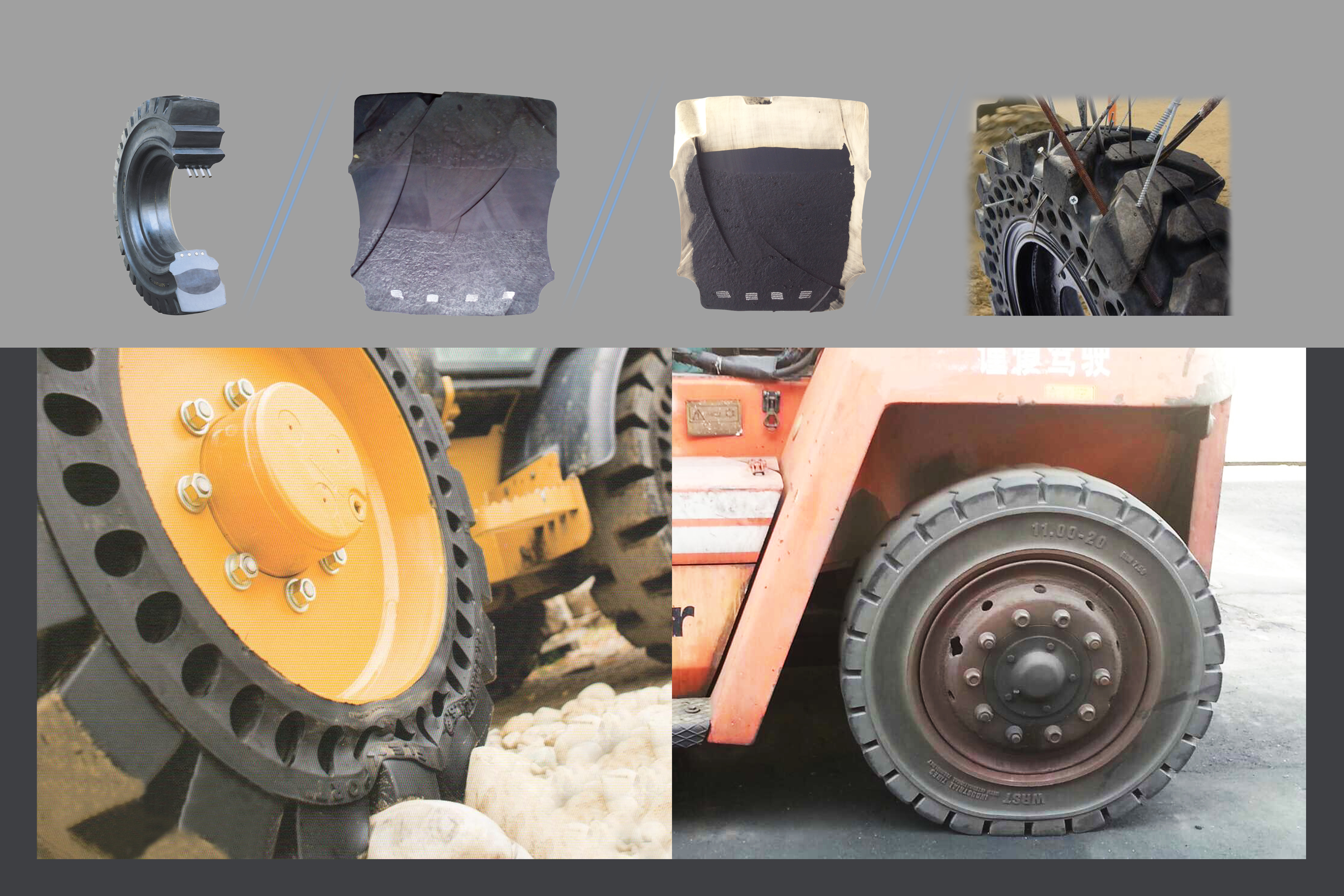
Vehicles in metallurgical plants operate in environments where sharp metal debris, extreme heat, and heavy loads are common. Solid Tires For Metallurgical Industry are constructed from thick, high-strength rubber or polymer compounds that resist cuts, punctures, and abrasions. This robust design ensures long-lasting durability, allowing vehicles to operate in harsh conditions without frequent tire failures or replacements.
2. Increased Safety
Safety is a top priority in metallurgical operations. Solid tires eliminate the risk of blowouts or flat tires caused by sharp scrap metal, slag, or other industrial hazards. By providing a stable and puncture-proof solution, these tires protect both the vehicle and its operators, reducing the likelihood of accidents and improving overall workplace safety.
3. Superior Load Bearing Capacity
Handling heavy loads is routine in metallurgical plants, whether it’s transporting steel coils, molten metal containers, or raw materials. Solid Tires For Metallurgical Industry are engineered to support heavier loads than pneumatic tires, ensuring stable performance under demanding conditions. Their load-bearing capacity minimizes tire deformation and maintains vehicle balance, even during full-capacity operations.
4. Longer Lifespan
The robust construction and resistance to wear and tear allow Solid Tires For Metallurgical Industry to outlast pneumatic alternatives. The extended lifespan reduces the frequency of replacements and maintenance, contributing to lower operational costs over time. In industries with continuous heavy-duty operations, this longevity is a significant advantage.
5. Minimal Downtime
Downtime due to tire failures can disrupt production schedules in metallurgical plants. Solid tires are resistant to punctures and cuts, drastically reducing unscheduled maintenance. Vehicles equipped with these tires can operate continuously, ensuring that material handling and production workflows remain efficient and uninterrupted.
6. Improved Stability
Vehicles in metallurgical environments often operate on rough, uneven, or slippery surfaces, including metal plates, slag-strewn floors, and high-temperature work areas. Solid tires provide enhanced stability and traction, giving operators better control and maneuverability. This stability is essential for preventing accidents and ensuring precise handling of heavy loads.
7. Lower Maintenance Costs
Unlike pneumatic tires, which require regular air pressure checks, repairs, and replacements, Solid Tires For Metallurgical Industry are virtually maintenance-free. Their solid construction eliminates air leaks and blowouts, reducing both labor costs and material expenses associated with tire upkeep.
8. Cost-Effective in the Long Run
Although solid tires may have a higher initial investment than pneumatic options, their durability, long lifespan, and minimal maintenance requirements make them highly cost-effective. For metallurgical facilities handling heavy loads daily, this long-term investment leads to significant operational savings.
9. Environmentally Friendly
Solid tires are eco-friendly, as they do not require frequent disposal or replacement, reducing waste in industrial landfills. Additionally, their durable design minimizes the consumption of raw materials compared to regularly replaced pneumatic tires, contributing to more sustainable operations.
10. Enhanced Productivity
By combining durability, load-bearing capacity, and puncture resistance, Solid Tires For Metallurgical Industry support continuous operations with minimal interruptions. Vehicles can operate efficiently, allowing material handling, production, and logistics tasks to be completed faster, which directly boosts productivity across the plant.
Conclusion
In conclusion, Solid Tires For Metallurgical Industry offer unmatched benefits for industrial vehicles, including forklifts, overhead cranes, and transport carts. From enhanced durability and safety to long-term cost savings and environmental friendliness, these tires are an essential upgrade for metallurgical operations. Choosing high-quality solid tires ensures reliable vehicle performance, reduced downtime, and increased productivity, making them a strategic investment for any metallurgical facility.
Product Selection Recommendations
When selecting Solid Tires For Metallurgical Industry, consider the following:
● Load Capacity: Ensure the tires can handle the heaviest loads your vehicles will carry.
● Operating Environment: Evaluate the flooring and working conditions, including the presence of metal debris or high temperatures.
● Tread Design: Choose a tread pattern that balances traction and stability for your specific applications.
● Manufacturer Quality: Opt for reputable brands known for producing high-performance solid tires with proven reliability.
Investing in high-quality Solid Tires For Metallurgical Industry not only enhances safety and performance but also contributes to long-term operational efficiency and cost-effectiveness.
Post time: 05-01-2026