
In modern airport ground support systems, baggage trailers are indispensable equipment used for the rapid and continuous transportation of luggage between aircraft, terminals, and sorting facilities. As global air traffic increases and airport operations become more time-sensitive, the demand for highly reliable and low-maintenance equipment has intensified.
In this context, solid tires for baggage trailers have emerged as a critical solution, offering superior durability, operational stability, and cost efficiency in high-frequency airport environments where downtime is not acceptable.
The Operational Demands of Airport Baggage Trailer Systems
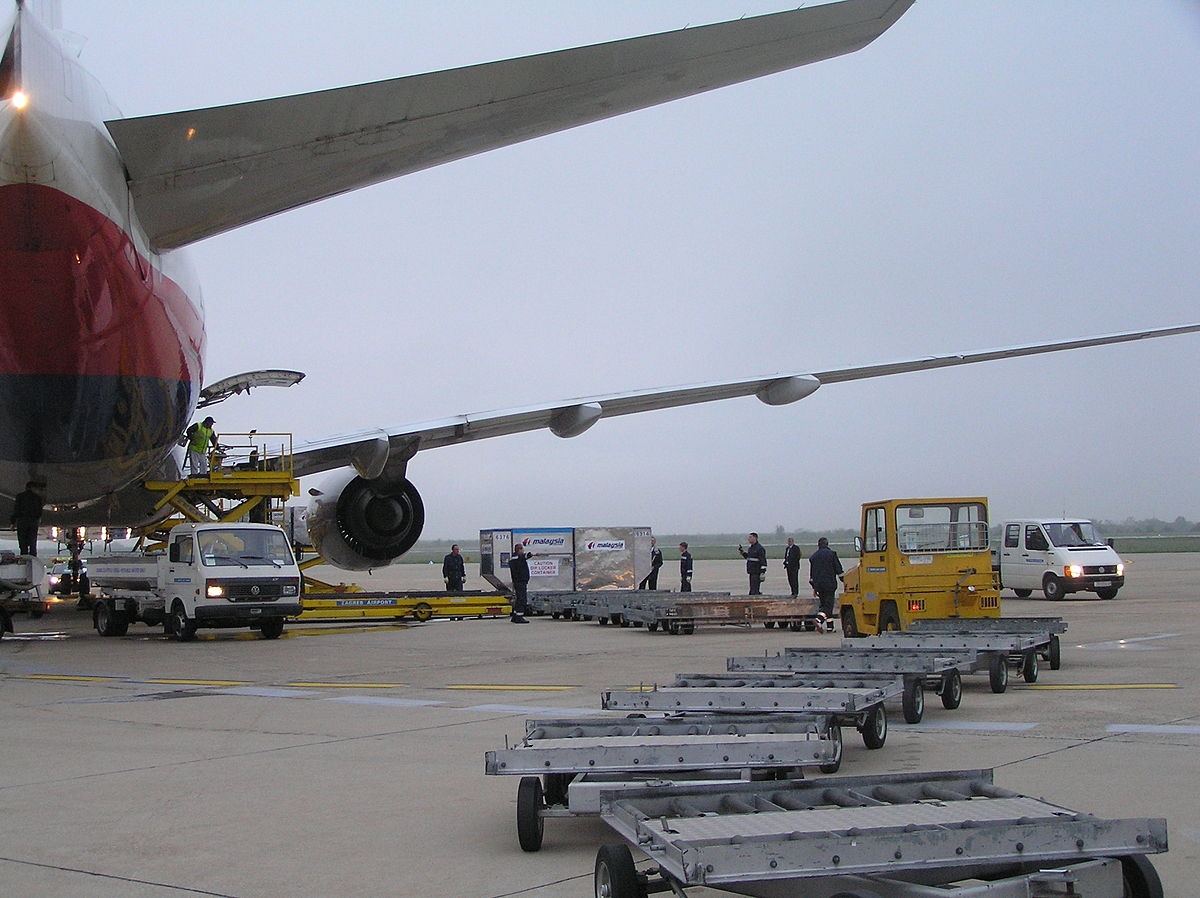
Airport baggage trailer operations are characterized by continuous movement, short-distance towing cycles, and strict synchronization with flight schedules. Unlike long-haul transportation vehicles, baggage trailers operate in highly repetitive and time-sensitive cycles, often under extreme workload conditions during peak travel periods.
The working environment presents several challenges that directly impact tire performance:
● Continuous start-stop operation during loading and unloading of luggage
● Frequent towing across concrete and asphalt surfaces in apron and terminal areas
● Exposure to foreign objects such as metal debris, luggage fragments, and maintenance waste
● High operational intensity with minimal tolerance for equipment downtime
These conditions require a tire solution that prioritizes reliability, durability, and maintenance efficiency over comfort or high-speed performance.
What Makes Solid Tires Different in Baggage Trailer Applications
Solid tires for baggage trailers are engineered using high-density rubber compounds and integrated molding technology that eliminates the need for internal air pressure. This structural design allows the tire to maintain consistent shape and load-bearing capacity without relying on inflation systems.
Unlike pneumatic tires, solid tires do not suffer from air leakage, pressure fluctuations, or sudden deflation, which makes them particularly suitable for environments where continuous operation is essential.
Their internal structure typically includes:
● A wear-resistant outer layer designed to withstand continuous friction on concrete surfaces
● A shock-absorbing intermediate layer that helps reduce vibration during towing operations
● A reinforced core structure that provides stable load support under heavy-duty conditions
This multi-layer design ensures that performance remains stable even under continuous, high-frequency usage.
Enhancing Operational Continuity in Airport Ground Handling
One of the most important performance requirements in airport logistics is operational continuity, as even short interruptions can lead to delays in baggage processing and impact overall flight efficiency. Solid tires play a crucial role in maintaining uninterrupted baggage trailer operations.
● They eliminate puncture-related failures that can cause sudden equipment downtime
● They provide consistent performance across multiple operational shifts without degradation
● They reduce the need for emergency maintenance interventions in time-sensitive environments
● They support predictable scheduling of ground support operations without unexpected interruptions
By improving operational continuity, solid tires contribute directly to the efficiency of airport ground logistics systems.
Improving Safety in High-Traffic Airport Environments
Airport apron and ground service areas are highly active environments where multiple vehicles, aircraft, and personnel operate in close proximity. In such conditions, equipment safety and reliability are essential for preventing operational incidents.
Solid tires significantly improve safety performance in several ways:
● They eliminate the risk of sudden blowouts, reducing the chance of loss of control during towing
● They maintain stable load-bearing performance even under uneven baggage distribution
● They provide consistent traction on smooth concrete surfaces commonly found in airports
● They reduce lateral instability during turning, braking, and maneuvering operations
These safety characteristics make them highly suitable for high-density airport environments where precision and stability are required.
Reducing Maintenance Complexity and Operational Costs
Airport operators manage large fleets of ground support equipment, which makes maintenance efficiency and cost control critical considerations. Solid tires offer significant advantages in reducing both direct and indirect maintenance burdens.
● No requirement for air pressure monitoring or inflation systems
● No need for puncture repair or emergency tire replacement
● Lower frequency of maintenance interventions compared to pneumatic tires
● Reduced spare parts inventory requirements for fleet operators
This simplified maintenance structure allows ground handling teams to focus more on operational efficiency rather than equipment upkeep.
Long-Term Cost Efficiency and Lifecycle Value
Although solid tires generally require higher initial investment compared to pneumatic alternatives, their long-term economic benefits are significantly greater when evaluated over the full lifecycle of baggage trailer operations.
From a total cost of ownership perspective, key advantages include:
● Extended service life due to high resistance to abrasion on concrete surfaces
● Reduced replacement frequency, lowering long-term procurement costs
● Minimized downtime-related financial losses in high-frequency operations
● Lower labor costs associated with maintenance and tire management
For airports operating large-scale ground support fleets, these savings become substantial over time and contribute to overall operational efficiency.
Performance Stability Under Continuous High-Frequency Use
Baggage trailers are often required to operate continuously throughout the day, especially during peak flight schedules. This level of usage demands consistent performance from all components, particularly tires, which directly affect towing stability and operational predictability.
Solid tires provide several key performance stability benefits:
● Consistent structural integrity without pressure variation
● Stable rolling behavior under different load conditions
● Reduced vibration inconsistency during continuous towing cycles
● Reliable performance across extended multi-shift operations
This consistency is essential for maintaining efficient airport logistics flow.
Application Scope in Airport Ground Support Operations
Solid tires are widely used in various airport ground support applications beyond baggage trailers due to their durability and reliability in demanding environments.
Common applications include:
● Baggage transportation between aircraft and terminals
● Cargo handling within airport logistics zones
● Ground support equipment used in maintenance and servicing areas
● High-frequency transport vehicles operating on airport aprons
Their versatility makes them a standard solution across multiple airport operational segments.
Key Considerations for Selecting Solid Tires for Baggage Trailers
Selecting the appropriate solid tire requires a detailed understanding of operational requirements and environmental conditions to ensure optimal performance and safety.
Important selection factors include:
● Load capacity compatibility with trailer specifications to ensure safe operation under maximum baggage weight
● Surface conditions such as concrete or asphalt that affect wear resistance and traction requirements
● Operational frequency and shift intensity that determine durability requirements
● Environmental exposure including temperature variation, moisture, and debris presence
Proper selection ensures maximum performance efficiency and extended tire lifespan.
Future Development Trends in Airport Ground Support Tires
As airport operations continue to evolve toward automation, efficiency, and sustainability, solid tire technology is also advancing to meet new industry demands.
Key development trends include:
● Low rolling resistance materials designed to improve energy efficiency in towing operations
● Enhanced rubber compounds for increased wear resistance and longer service life
● Improved structural designs to reduce vibration and improve towing smoothness
● Customized tire solutions tailored to specific airport equipment categories
These advancements are expected to further strengthen the role of solid tires in modern airport logistics systems.
Conclusion
Solid tires for baggage trailers have become a fundamental component in airport ground support operations due to their durability, stability, and long-term cost efficiency. By eliminating air-related risks and providing consistent performance under continuous high-frequency use, they ensure reliable baggage transportation in demanding airport environments. For airport operators and ground handling service providers seeking to improve operational efficiency, reduce downtime, and enhance safety standards, solid tires represent a strategic and long-term investment that supports the evolving demands of global aviation logistics.
FAQ
1. Why are solid tires preferred for baggage trailers in airports?
Because they eliminate puncture risks, reduce maintenance needs, and provide stable performance in continuous high-frequency operations.
2. Are solid tires suitable for all airport ground support equipment?
They are widely used in baggage trailers and many ground handling vehicles that require durability and reliability.
3. Do solid tires improve operational efficiency in airports?
Yes, they reduce downtime and maintenance interruptions, improving overall baggage handling workflow efficiency.
4. How long do solid tires typically last in baggage trailer applications?
Their lifespan is generally longer than pneumatic tires, depending on usage intensity, surface conditions, and operational frequency.
Post time: 14-04-2026