
In construction, landscaping, demolition, and agricultural applications, skid steer loaders are known for their versatility and compact power. However, their performance is often limited by one overlooked factor—tire reliability. In environments filled with debris, sharp objects, and uneven terrain, traditional pneumatic tires can become a constant source of downtime. This is why skid steer solid rubber tires are increasingly adopted as a long-term solution for demanding job sites.
The Real Cost of Tire Failure in Skid Steer Operations
Skid steer loaders typically operate in conditions that are far from ideal. From construction sites with nails and scrap metal to recycling yards filled with sharp debris, tire damage is a frequent issue.
A single puncture can stop operations immediately, requiring repair or replacement. Over time, repeated failures lead to lost productivity, increased labor costs, and delays in project timelines.
For B2B operators managing multiple machines, these interruptions can accumulate into significant operational inefficiencies. Solid rubber tires eliminate this vulnerability by removing the risk of punctures entirely.
What Makes Solid Rubber Tires Different?
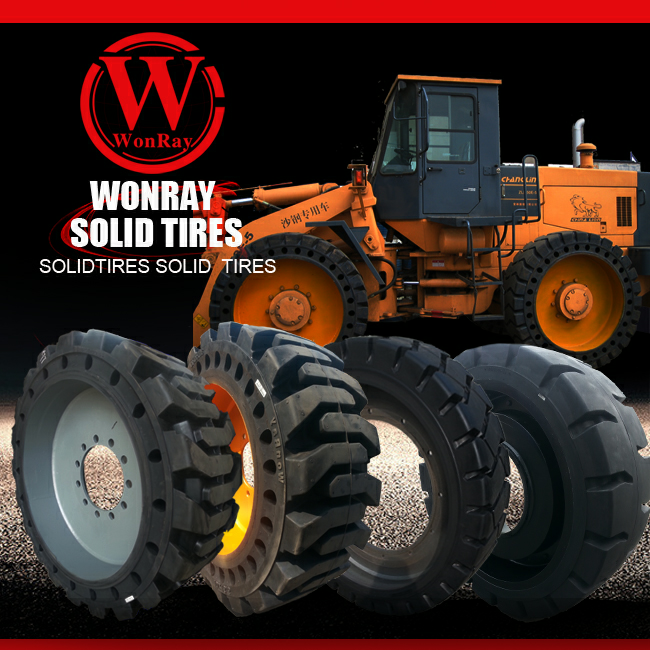
Unlike pneumatic tires, which rely on air pressure, skid steer solid rubber tires are constructed from high-density rubber compounds. This solid structure allows them to maintain shape and performance without the risk of air loss.
Most modern solid tires are designed with advanced engineering features that enhance durability and usability:
● Multi-layer construction that balances strength and flexibility
● Cut-resistant outer compounds designed for abrasive environments
● Reinforced internal structure to support heavy loads
● Optional apertures or cushioning zones to improve shock absorption
These design improvements make solid tires more adaptable to a wider range of job site conditions.
Where Solid Tires Deliver the Most Value
Not all applications require solid tires, but in high-risk environments, they provide unmatched advantages.
On demolition sites, where debris such as concrete fragments and metal rods are common, solid tires ensure continuous operation without damage.
In recycling and waste management facilities, sharp materials are unavoidable, making puncture-proof performance essential.
Landscaping operations involving rocky terrain or thorny vegetation also benefit from the durability of solid tires.
Additionally, rental equipment fleets often prefer solid tires because they reduce maintenance requirements and improve equipment availability.
Performance Benefits That Impact Daily Operations
Switching to skid steer solid rubber tires can transform how equipment performs on a daily basis.
● Continuous uptime: Eliminates puncture-related interruptions, allowing machines to work longer hours
● Consistent traction: Provides stable grip across various surfaces, improving control
● Load stability: Maintains structural integrity under heavy loads, enhancing safety
● Reduced maintenance: No need for air pressure checks or emergency repairs
● Longer service life: Withstands wear and tear better than pneumatic alternatives in harsh conditions
These benefits contribute directly to improved productivity and smoother workflow.
Addressing Comfort and Vibration Concerns
One common concern with solid tires is reduced ride comfort due to the absence of air cushioning. While this was a limitation in older designs, modern solid tires have addressed this issue through innovative engineering.
Features such as internal apertures and flexible rubber compounds help absorb shock and reduce vibration. While they may not match pneumatic tires in comfort, they offer a balanced compromise between durability and operator experience.
For most heavy-duty applications, the reliability benefits far outweigh the slight reduction in cushioning.
Comparing Solid Tires to Foam-Filled Alternatives
Another option often considered is foam-filled tires, which attempt to combine the benefits of pneumatic and solid designs. However, solid rubber tires still hold several advantages.
● True puncture-proof structure without reliance on internal materials
● Better heat dissipation in continuous operations
● More consistent performance over time
● Lower long-term maintenance requirements
For high-intensity applications, solid tires remain the more reliable choice.
Long-Term Cost Efficiency for B2B Buyers
While the initial cost of solid rubber tires may be higher than standard pneumatic options, the long-term financial benefits are significant.
Reduced downtime alone can justify the investment, as equipment remains operational for longer periods. Maintenance costs are also lower due to the absence of repairs and pressure management.
Additionally, longer tire lifespan reduces replacement frequency, contributing to lower overall operating costs. For businesses managing fleets, these savings can be substantial.
Key Considerations Before Switching to Solid Tires
Before upgrading to skid steer solid rubber tires, it is important to evaluate specific operational requirements.
● Machine compatibility and proper sizing
● Typical load conditions and usage intensity
● Type of terrain and presence of debris
● Operator expectations regarding ride comfort
Careful assessment ensures that the selected tire solution aligns with operational goals.
The Future of Skid Steer Tire Solutions
As industries continue to demand higher efficiency and reliability, tire technology is evolving accordingly. Manufacturers are developing advanced rubber compounds that improve wear resistance while reducing rolling resistance.
There is also growing interest in sustainable materials and manufacturing processes, reflecting broader industry trends toward environmental responsibility.
These innovations will further enhance the performance and value of solid rubber tires in the coming years.
Conclusion
Skid steer solid rubber tires represent a practical and reliable solution for businesses operating in challenging environments. By eliminating puncture risks and reducing maintenance requirements, they allow equipment to perform consistently and efficiently.
For B2B buyers seeking to improve uptime, reduce costs, and enhance operational reliability, investing in solid rubber tires is a strategic decision that delivers measurable long-term benefits.
FAQ
- Are solid rubber tires better than pneumatic tires for skid steers?
They are more durable and puncture-proof, making them ideal for harsh environments. - Do solid tires affect machine performance?
They improve stability and reliability, though ride comfort may be slightly reduced. - How long do solid rubber tires last?
They generally last longer than pneumatic tires, especially in abrasive conditions. - Are they suitable for all job sites?
They are best for environments with high puncture risks and heavy-duty usage.
Post time: 24-04-2026