
In demanding industries such as construction, mining, and waste management, equipment reliability is critical. One of the most overlooked yet essential components of a wheel loader is its tires. Traditional pneumatic tires are prone to punctures, downtime, and high maintenance costs. This is where puncture proof tires for wheel loaders become a game-changing solution.
This guide explores everything you need to know about puncture proof tires, including their benefits, types, applications, and how to choose the right option for your business.
What Are Puncture Proof Tires for Wheel Loaders?
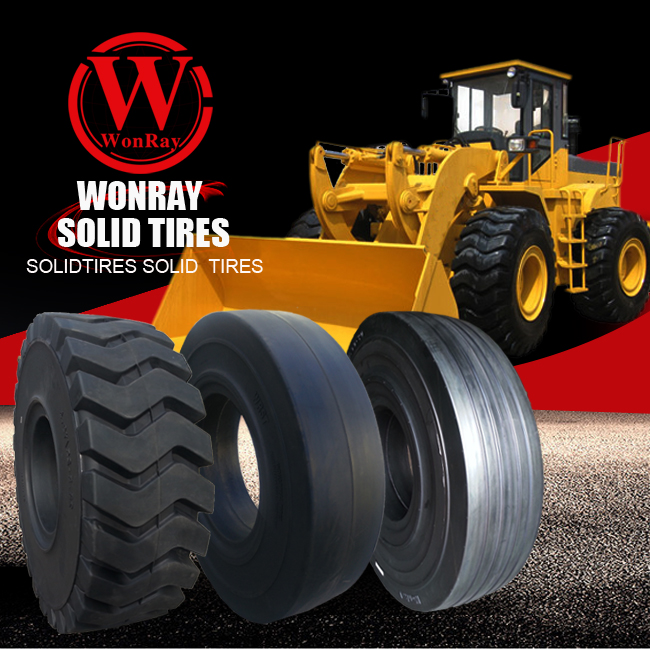
Puncture proof tires are specially designed tires that eliminate the risk of flats caused by sharp objects, debris, or harsh terrain. Unlike pneumatic tires filled with air, these tires are either solid or filled with resilient materials that cannot be punctured.
Common types include:
- Solid rubber tires
- Foam-filled tires
- Resilient (three-stage) solid tires
These designs ensure continuous operation even in the harshest working environments.
Why Choose Puncture Proof Tires?
1. Eliminate Downtime
Flat tires can bring operations to a halt, especially in remote or high-risk job sites. Puncture proof tires remove this risk entirely, allowing machines to operate continuously without unexpected interruptions.
2. Lower Maintenance Costs
Traditional tires require frequent inspections, air pressure checks, and repairs. With puncture proof tires, maintenance is significantly reduced, saving both time and labor costs.
3. Enhanced Safety
Blowouts or sudden air loss can be dangerous, particularly when handling heavy loads. Puncture proof tires provide consistent stability, reducing the risk of accidents.
4. Long Service Life
These tires are built with high-density rubber compounds that offer excellent wear resistance. In many cases, they last significantly longer than standard pneumatic tires.
5. High Load Capacity
Wheel loaders operate under heavy loads, and puncture proof tires are specifically engineered to support high weight without deformation or failure.
Types of Puncture Proof Tires for Wheel Loaders
Solid Rubber Tires
Solid tires are made entirely of rubber and are completely airless. They are ideal for extremely harsh environments such as scrap yards, recycling facilities, and demolition sites.
Key advantages:
- 100% puncture resistance
- Maximum durability
- Minimal maintenance
Foam-Filled Tires
Foam-filled tires are standard pneumatic tires filled with polyurethane foam. This provides a balance between comfort and puncture resistance.
Best for:
- Moderate to heavy-duty applications
- Operations requiring better shock absorption
Three-Stage (Resilient) Tires
These tires feature a layered structure:
- Wear-resistant outer layer
- Cushioning middle layer
- Reinforced base layer
They offer improved performance, comfort, and heat resistance compared to standard solid tires.
Key Applications
Puncture proof tires are widely used in industries where tire damage is common:
Construction Sites
Nails, steel debris, and sharp rocks make construction sites hazardous for pneumatic tires. Puncture proof tires ensure uninterrupted performance.
Mining Operations
Mining environments are among the toughest, with sharp ores and extreme loads. Solid tires provide durability and reliability in these conditions.
Waste Management & Recycling
Scrap metal, glass, and waste materials can easily puncture traditional tires. Puncture proof solutions are essential in this sector.
Ports and Logistics
Wheel loaders used in ports handle heavy cargo continuously. Durable tires reduce downtime and improve operational efficiency.
Quarry and Aggregate Operations
Rough terrain and abrasive materials demand tires with high wear resistance and structural integrity.
How to Choose the Right Puncture Proof Tires
Selecting the right tires depends on several factors:
1. Working Environment
Identify the level of hazard:
- High risk (scrap, metal, sharp debris): solid tires
- Medium risk: foam-filled or resilient tires
2. Load Requirements
Ensure the tire can handle the loader’s maximum load capacity without compromising performance.
3. Heat Resistance
Continuous operation can generate heat. Choose tires designed to dissipate heat effectively, especially for long working hours.
4. Ride Comfort
If operator comfort is important, consider resilient or foam-filled tires, which provide better shock absorption.
5. Cost vs. Value
While puncture proof tires may have a higher upfront cost, they offer long-term savings through reduced downtime and maintenance.
Solid Tires vs Pneumatic Tires: A Quick Comparison
Puncture Resistance
- Solid: 100% puncture proof
- Pneumatic: High risk of flats
Maintenance
- Solid: Low
- Pneumatic: High
Comfort
- Solid: Moderate
- Pneumatic: High
Durability
- Solid: Excellent
- Pneumatic: Moderate
Best Use Case
- Solid: Harsh environments
- Pneumatic: Light-duty applications
Cost Efficiency and ROI
Many businesses hesitate due to the initial investment in puncture proof tires. However, the return on investment is significant:
- Reduced downtime = increased productivity
- Lower maintenance costs
- Fewer tire replacements
- Improved operational safety
Over time, these benefits outweigh the upfront cost, making puncture proof tires a smart long-term investment.
Future Trends in Wheel Loader Tires
As industries demand higher efficiency and sustainability, tire manufacturers are focusing on:
- Advanced rubber compounds for longer lifespan
- Improved heat resistance technologies
- Eco-friendly manufacturing processes
- Smart tire monitoring systems
These innovations will further enhance the performance and value of puncture proof tires.
Conclusion
Puncture proof tires for wheel loaders are no longer a luxury—they are a necessity in demanding industrial environments. By eliminating downtime, reducing maintenance costs, and improving safety, they provide unmatched value for businesses looking to maximize efficiency.
Whether you operate in construction, mining, recycling, or logistics, choosing the right puncture proof tire can significantly impact your productivity and profitability. Investing in high-quality, durable tires ensures your equipment keeps moving—no matter how tough the job gets.
FAQ
1. Are puncture proof tires completely immune to damage?
Yes, they are designed to resist punctures entirely, though they can still experience wear over time.
2. Do solid tires affect machine performance?
They may offer slightly less comfort than pneumatic tires but provide superior durability and stability.
3. How long do puncture proof tires last?
Depending on usage and environment, they can last significantly longer than traditional tires, often by 2–3 times.
4. Are they suitable for all wheel loaders?
Yes, but it’s important to select the correct size, load rating, and type for your specific machine and application.
Post time: 10-04-2026