
In industries where cleanliness is not just a preference but a requirement, non marking tires have become a critical component of daily operations. From food production lines to pharmaceutical facilities, even the smallest floor contamination can lead to compliance issues or operational inefficiencies. Non marking tires offer a specialized solution that helps maintain pristine environments while ensuring reliable equipment performance.
What Are Non Marking Tires and How Do They Work?
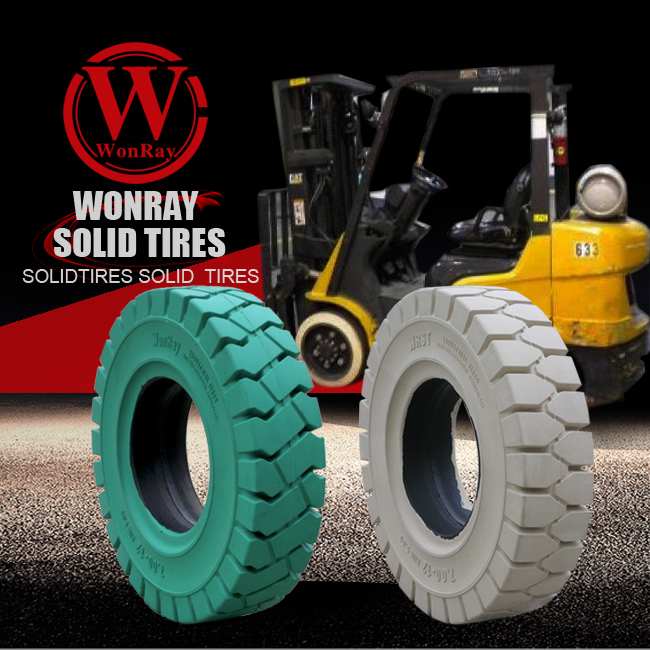
Non marking tires are specifically engineered to prevent black streaks or scuff marks on floors. Unlike conventional tires that contain carbon black for reinforcement, these tires are manufactured using alternative materials such as silica, chalk, or other non-staining compounds. This difference in composition is what allows them to operate on sensitive surfaces without leaving visible residue.
The absence of carbon black does not mean compromised performance. Modern non marking tires are designed to balance durability, elasticity, and traction. Through advanced material formulation, they can deliver consistent performance across a wide range of indoor applications, especially where hygiene and floor protection are critical.
In addition, these tires are often available in lighter colors such as white, gray, or beige, which visually reinforce cleanliness standards and make contamination easier to detect.
Core Advantages in Clean and Controlled Environments
Non marking tires are not simply about aesthetics; they bring measurable operational benefits that directly impact efficiency, safety, and cost management.
● Superior floor protection: Prevents black marks and rubber residue, keeping floors clean and reducing surface damage
● Improved workplace hygiene: Supports strict cleanliness standards in regulated industries
● Reduced cleaning workload: Minimizes the need for frequent floor maintenance and cleaning chemicals
● Reliable traction: Maintains stable grip on smooth indoor surfaces without compromising safety
● Consistent performance: Engineered for predictable handling in controlled environments
These advantages make non marking tires particularly valuable in facilities where cleanliness directly affects product quality and regulatory compliance.
Industry Applications and Use Cases
Non marking tires are widely used in sectors where maintaining a clean, contamination-free environment is essential. Their application continues to expand as more industries adopt stricter hygiene standards.
● Food processing and packaging: Ensures that floors remain free from tire marks, supporting sanitation protocols and audit requirements
● Pharmaceutical manufacturing: Helps maintain sterile conditions in sensitive production areas
● Healthcare facilities: Used in hospitals and clinics where cleanliness and infection control are critical
● Warehousing and logistics: Ideal for indoor distribution centers with polished or epoxy floors
● Retail and commercial spaces: Prevents visible tire marks in customer-facing environments
In each of these applications, non marking tires contribute to both operational efficiency and brand perception by maintaining a clean and professional environment.
Performance Comparison with Standard Tires
When compared to traditional tires, non marking tires offer distinct advantages in indoor applications, although each type has its own strengths depending on the use case.
● Mark-free operation: Non marking tires eliminate visible floor marks, unlike standard tires
● Maintenance requirements: Reduced cleaning efforts lower operational costs
● Durability: While slightly softer in some cases, modern compounds still offer excellent wear resistance
● Environmental suitability: Best suited for indoor, smooth-surface applications
Traditional tires may still be preferred in outdoor or rugged environments due to their higher resistance to extreme conditions, but for indoor use, non marking tires provide a clear advantage.
Key Factors to Consider in Practical Use
Selecting the right non marking tire involves understanding both the operational environment and equipment requirements. Matching these factors ensures optimal performance and longevity.
● Load capacity: Choose tires that can safely support the equipment and load weight
● Compound hardness: Softer compounds improve grip, while harder ones extend lifespan
● Floor type: Smooth surfaces benefit most from non marking tire properties
● Operating temperature: Ensure compatibility with cold storage or high-temperature environments
By carefully evaluating these factors, businesses can ensure that their tire selection aligns with operational needs.
Impact on Long-Term Operational Efficiency
Non marking tires contribute to efficiency beyond their immediate function. By reducing floor contamination, they help maintain consistent working conditions, which in turn improves equipment performance and operator confidence.
Cleaner floors also reduce slip hazards, enhancing workplace safety. Additionally, less frequent cleaning translates to lower labor costs and reduced use of cleaning materials, supporting both economic and environmental goals.
Over time, these benefits accumulate, making non marking tires a cost-effective investment despite their slightly higher initial price compared to standard tires.
Technological Developments and Future Trends
Advancements in material science continue to improve the performance of non marking tires. Manufacturers are developing new compound formulations that enhance durability while maintaining non-marking properties.
There is also growing interest in environmentally friendly materials, as industries seek sustainable solutions that align with global environmental standards. Future innovations may include longer-lasting compounds, improved energy efficiency, and enhanced resistance to chemicals and temperature variations.
As industrial environments become more regulated and quality-focused, the demand for high-performance non marking tires is expected to increase steadily.
Conclusion
Non marking tires provide a practical and efficient solution for industries that require spotless and delicate environments. Their ability to protect floors, maintain hygiene standards, and reduce maintenance efforts makes them an essential component in modern indoor operations.
By selecting the right non marking tire based on load requirements, environment, and performance expectations, businesses can significantly enhance operational efficiency while maintaining strict cleanliness standards. As industries continue to evolve, non marking tires will remain a key element in achieving both productivity and compliance.
FAQ
- Do non marking tires wear out faster than standard tires?
Modern non marking tires are designed with advanced compounds that offer competitive durability, although performance may vary depending on usage conditions. - Are non marking tires suitable for outdoor use?
They are primarily designed for indoor environments and may not perform optimally on rough or uneven outdoor surfaces. - Can non marking tires be used in cold storage facilities?
Yes, provided the tire compound is suitable for low-temperature conditions. - Do they require special maintenance?
No special maintenance is required, but regular inspection is recommended to ensure optimal performance.
Post time: 20-04-2026