
In modern material handling operations, every minute of uptime matters. Choosing the right forklift tire is no longer just a maintenance decision—it directly impacts productivity, safety, and operational costs. Forklift solid tires have emerged as a preferred solution for businesses aiming to improve efficiency while minimizing unexpected disruptions.
What Makes Forklift Solid Tires Different?
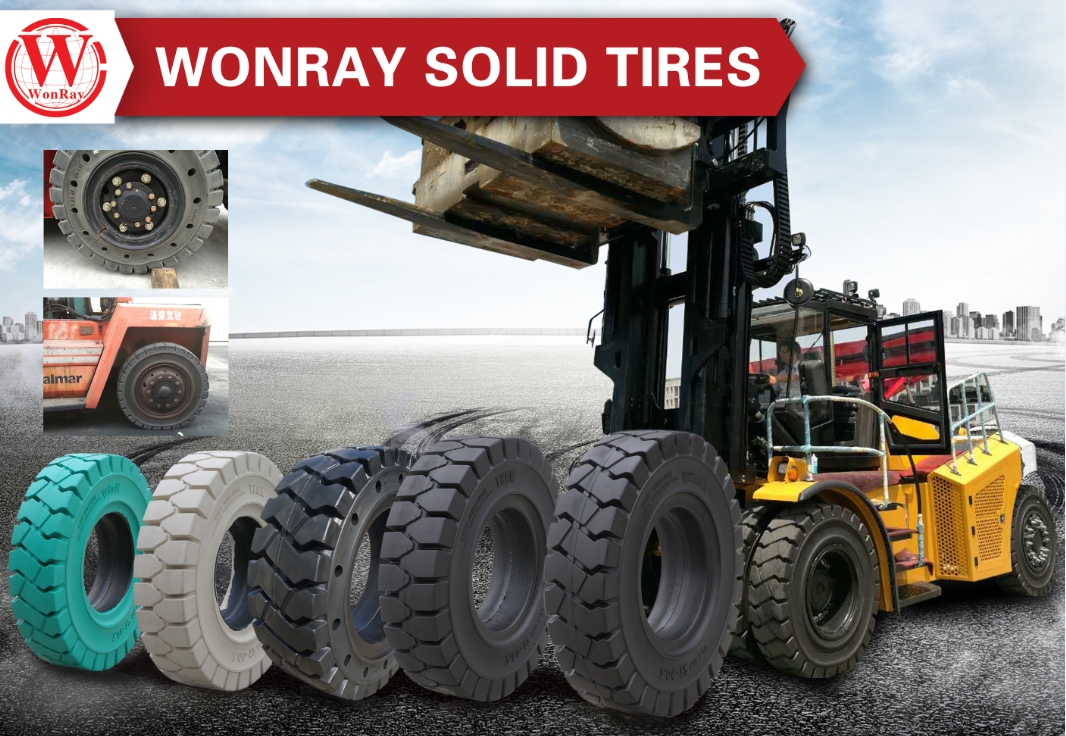
Forklift solid tires are engineered using dense rubber compounds that eliminate the need for air pressure. Unlike pneumatic tires, which rely on inflation, solid tires maintain their structural integrity regardless of external conditions. This makes them particularly suitable for demanding industrial environments such as warehouses, ports, recycling plants, and manufacturing facilities.
Their construction often includes multiple layers, combining wear-resistant tread rubber with a resilient base compound that absorbs shock. This design ensures consistent performance even under heavy loads and continuous operation.
Why More Businesses Are Switching to Solid Tires
As operational demands increase, companies are looking for solutions that reduce operational risks and improve long-term cost efficiency. Solid tires provide a clear advantage in several key areas.
● Extended Service Life
Solid tires are designed to withstand abrasive surfaces, sharp debris, and continuous use. Compared to pneumatic alternatives, they typically last significantly longer, reducing the frequency of replacements and associated labor costs.
● Elimination of Puncture Risks
In environments where nails, metal fragments, or sharp objects are common, tire punctures can cause costly downtime. Solid tires completely remove this risk, ensuring uninterrupted operations.
● Consistent Performance Under Load
Because they do not rely on air pressure, solid tires maintain their shape and stability even when carrying maximum loads. This consistency improves handling precision and reduces the risk of accidents.
● Lower Maintenance Requirements
There is no need for air pressure monitoring, inflation, or frequent inspections for leaks. Maintenance teams can focus on other critical equipment, improving overall operational efficiency.
● Enhanced Safety in the Workplace
Stable tires reduce forklift sway and improve operator control, especially during lifting and turning. This contributes to safer handling of goods and fewer workplace incidents.
How Solid Tires Directly Improve Operational Efficiency
Efficiency improvements from solid tires go beyond durability. They influence several aspects of daily operations that directly affect productivity.
● Reduced Downtime
Unexpected tire failures can halt operations instantly. Solid tires minimize these disruptions, allowing forklifts to operate continuously across shifts.
● Higher Equipment Utilization
With fewer maintenance interruptions, forklifts can be used more consistently, increasing the return on equipment investment.
● Improved Workflow Continuity
Stable and reliable tire performance ensures smoother movement of goods, reducing delays in logistics chains.
● Lower Total Cost of Ownership (TCO)
Although solid tires may have a higher upfront cost, their longer lifespan and minimal maintenance result in lower overall costs over time.
● Better Performance in Harsh Conditions
From high-temperature environments to rough outdoor surfaces, solid tires maintain performance where pneumatic tires may struggle.
Key Factors to Consider When Choosing Forklift Solid Tires
Selecting the right solid tire is essential to achieving maximum efficiency gains. A mismatch between tire specifications and operating conditions can limit performance benefits.
● Correct Tire Dimensions
Ensure compatibility with your forklift model. Incorrect sizing can affect load balance, steering, and safety.
● Compound Selection
Different rubber compounds are designed for specific applications. For example, heat-resistant compounds are ideal for high-temperature environments, while non-marking tires are preferred for indoor use.
● Tread Pattern Optimization
Smooth tread designs are suitable for indoor warehouse floors, while patterned treads provide better traction for outdoor or uneven surfaces.
● Load-Bearing Capacity
Always match the tire’s load rating with your operational requirements, considering both the forklift weight and the maximum load.
● Working Environment Analysis
Evaluate factors such as floor conditions, exposure to chemicals, temperature variations, and operating hours to select the most suitable tire type.
Application Scenarios Where Solid Tires Excel
Forklift solid tires are widely used across industries where reliability and durability are critical.
● Warehousing and logistics centers with continuous operation cycles
● Ports and container yards handling heavy cargo
● Metal processing and recycling facilities with sharp debris
● Construction material yards with uneven ground conditions
● Manufacturing plants requiring stable indoor performance
In these environments, the ability to operate without interruption is a key competitive advantage.
When Solid Tires May Not Be the Best Option
While solid tires offer numerous benefits, they are not suitable for every scenario. For operations requiring high-speed travel over long distances or working on extremely rough outdoor terrain, pneumatic tires may provide better shock absorption and ride comfort.
Understanding the limitations of each tire type helps businesses make more informed decisions and optimize performance based on their specific needs.
Conclusion
Forklift solid tires represent a strategic upgrade for businesses focused on improving operational efficiency, reducing downtime, and lowering long-term costs. Their durability, reliability, and low maintenance requirements make them an ideal choice for demanding industrial environments.
By carefully evaluating factors such as tire size, compound, tread design, and working conditions, businesses can maximize the performance benefits of solid tires. In a competitive market where efficiency directly impacts profitability, investing in the right tire solution is a decision that delivers measurable results over time.
FAQ
1. Are forklift solid tires more cost-effective than pneumatic tires?
Yes, although the initial investment is higher, solid tires typically offer a longer lifespan and lower maintenance costs, resulting in better long-term value.
2. Can solid tires be used for both indoor and outdoor operations?
They can be used in both environments, but selecting the appropriate tread pattern and rubber compound is essential for optimal performance.
3. Do solid tires affect forklift speed or comfort?
Solid tires may provide a firmer ride compared to pneumatic tires, but they offer better stability and control, especially under heavy loads.
4. How often should forklift solid tires be replaced?
Replacement depends on wear levels and operating conditions. Regular inspections can help determine when the tire has reached its service limit.
Post time: 28-04-2026