
Airport ground handling is one of the most time-sensitive logistics systems in the world. Every minute of delay can affect flight schedules, passenger experience, and cargo delivery chains. Within this system, baggage carts, service trolleys, cargo trailers, and maintenance vehicles operate continuously to ensure smooth aircraft turnaround.
While much attention is given to large ground support equipment, the performance of wheel systems used on smaller transport vehicles plays a critical role in overall operational efficiency.
Solid rubber wheels are increasingly used in airport ground handling systems to improve mobility reliability, reduce maintenance interruptions, and ensure continuous operation under high-frequency conditions.
Why Airport Ground Handling Requires High-Reliability Mobility Systems
Airport operations depend on synchronized timing. From aircraft arrival to baggage unloading, refueling, cleaning, and boarding, every process is tightly scheduled.
Ground vehicles must move quickly between terminals and aircraft stands while carrying varying loads of baggage and equipment.
This creates a demanding environment where mobility systems must be:
- Highly reliable
- Low maintenance
- Capable of continuous operation
- Stable under uneven loading conditions
Operational Weaknesses of Traditional Wheel Systems
Conventional pneumatic wheels, while widely used, present operational risks in airport environments.
Foreign object damage is a major concern. Debris such as metal fragments, broken pallets, or sharp objects can easily puncture tires, causing sudden equipment failure.
Pressure instability can also occur due to temperature changes between indoor terminals and outdoor apron areas.
Maintenance dependency is another issue. Frequent repairs reduce fleet availability and increase labor workload for ground service teams.
How Solid Rubber Wheels Improve Ground Handling Reliability
Solid rubber wheels eliminate the need for air pressure, removing the risk of punctures and deflation entirely.
This allows airport vehicles to operate continuously across different zones without interruption.
Their structural consistency ensures stable rolling behavior even under uneven baggage loads or frequent directional changes.
Key Performance Benefits in Airport Applications
● Continuous operation without puncture risk
Ensures uninterrupted baggage and cargo movement.
● Stable performance under varying load conditions
Supports uneven baggage distribution without deformation.
● Improved movement control in tight spaces
Ideal for narrow airport service lanes and terminal corridors.
● Reduced maintenance workload for ground crews
Fewer repairs mean higher fleet availability.
● Reliable operation across indoor and outdoor environments
Performs consistently between terminal floors and apron areas.
Application in Airport Ground Systems
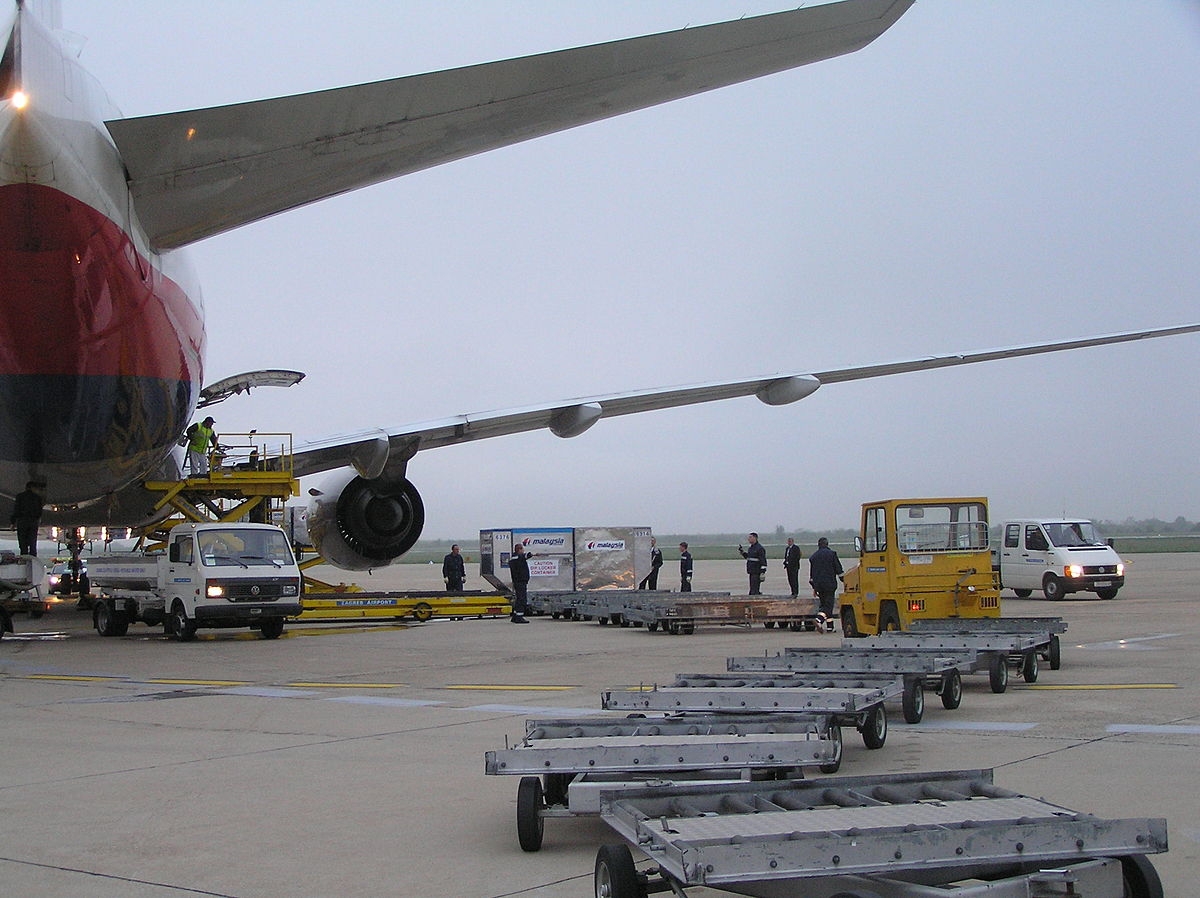
Solid rubber wheels are used across multiple airport transport systems.
Baggage carts move luggage between aircraft and terminals.
Cargo trailers handle freight distribution across logistics zones.
Service trolleys support cleaning, catering, and maintenance operations.
Towing carts assist in aircraft support functions.
Maintenance vehicles ensure technical teams can reach operational zones quickly.
Impact on Airport Efficiency
In airport logistics, even small delays can cascade into larger operational disruptions.
Solid rubber wheels help reduce these risks by ensuring consistent movement of baggage and cargo.
They improve turnaround efficiency by reducing equipment failures that could delay aircraft departure.
They also help standardize fleet performance, making operational timing more predictable.
Long-Term Economic Benefits
For airport operators, reduced downtime translates directly into improved passenger service quality.
For ground handling companies, improved fleet reliability reduces operational penalties and service disruptions.
For logistics providers, stable transport systems ensure more predictable cargo flow.
For equipment manufacturers, solid rubber wheels enhance product durability and market competitiveness.
Design Considerations
Wheel hardness, diameter, and tread design all influence performance in airport environments.
A balance is required between durability and rolling comfort, especially in passenger-sensitive zones.
Noise reduction is also an important factor for indoor terminal applications.
Future Development Trends
Airport systems are moving toward automation and smart logistics integration.
Solid rubber wheels are increasingly being used in automated carts and semi-autonomous transport systems.
Energy efficiency and low rolling resistance are also becoming design priorities.
Conclusion
Solid rubber wheel systems significantly improve airport ground handling efficiency by reducing downtime, enhancing mobility reliability, and ensuring continuous operation in high-frequency logistics environments.
For modern airports, these wheels are a critical component in maintaining smooth and time-sensitive operations.
FAQ
1、Where are solid rubber wheels used in airports?
In baggage carts, cargo trailers, service trolleys, and maintenance vehicles.
2、Why are they preferred over pneumatic wheels?
Because they eliminate puncture risk and reduce maintenance needs.
3、Do they improve airport efficiency?
Yes, by ensuring continuous and reliable ground transport operations.
4、Are they suitable for both indoor and outdoor use?
Yes, they perform consistently in both environments.
Post time: 20-05-2026