
Skid steer loaders are integral machines in construction, agriculture, and industrial operations due to their maneuverability and versatility. However, their performance is heavily influenced by the type of tires they use. High-traction skid steer solid rubber tires are engineered to provide superior grip, durability, and reliability on challenging terrains, ensuring machines can handle heavy loads safely and efficiently. For B2B operations, choosing the right tire directly impacts operational productivity, safety, and cost management.
Why High-Traction Tires Are Critical for Skid Steers
Skid steers often operate on surfaces that vary from loose gravel and dirt to compacted soil or wet construction grounds. In these conditions, high-traction tires are essential for several reasons:
● Maintain stability when lifting and transporting heavy materials
● Prevent slippage and potential machine tipping
● Enable precise movements in confined or uneven workspaces
● Increase operational speed without compromising safety
Unlike pneumatic tires, solid rubber tires eliminate the risk of flats or blowouts, which is critical in harsh work environments where downtime is costly.
Key Characteristics of High-Traction Skid Steer Solid Rubber Tires
High-traction solid rubber tires are designed with industrial durability and performance in mind. Their main characteristics include:
● Aggressive Tread Patterns – Deep grooves and specialized designs ensure maximum grip on loose or slippery surfaces.
● Enhanced Load Capacity – Solid construction supports heavy machinery loads without deformation.
● Abrasion and Cut Resistance – The rubber compound resists sharp debris and rough surfaces common in construction sites.
● Vibration Dampening – Minimizes wear on machine components and improves operator comfort during extended operations.
● Long-Term Reliability – Designed to withstand repetitive heavy use, reducing replacement frequency and overall operational costs.
These features make them a dependable solution for high-intensity industrial applications.
Applications in Industrial and Construction Sites
High-traction solid rubber tires are widely used across B2B sectors:
● Construction Sites – Navigate loose dirt, gravel, and uneven terrain while carrying heavy loads.
● Agricultural Operations – Handle soft soil, farm debris, and irregular landscapes without getting stuck.
● Industrial Yards – Transport materials on compacted gravel or asphalt while maintaining stability.
● Municipal Services – Support skid steers in snow removal, debris clearing, and maintenance work.
In all these scenarios, high-traction tires ensure the skid steer maintains consistent performance, reducing operational interruptions.
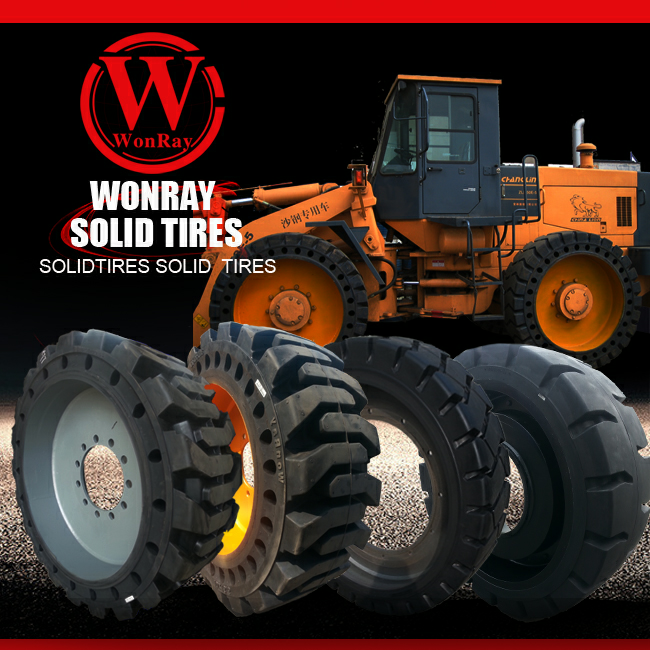
Selecting the Right Tire for Skid Steers
To maximize efficiency, consider these factors when selecting high-traction solid rubber tires:
● Machine Weight and Load Requirements – Ensure the tires can handle both the machine and maximum payload.
● Surface Type – Match tread patterns to specific terrain for optimal grip and reduced wear.
● Frequency of Use – Heavy daily operations demand higher durability and stronger compounds.
● Environmental Conditions – Take into account temperature extremes, moisture, and abrasive surfaces.
● Operational Goals – Consider whether the focus is on speed, load handling, or precision maneuvering.
Choosing the appropriate tire ensures not only operational efficiency but also machine safety and longevity.
Maintenance Guidelines
Although solid rubber tires require less maintenance than pneumatic tires, routine inspection is still important:
● Check tread depth and wear patterns to ensure even contact
● Inspect for cracks, embedded debris, or any signs of damage
● Verify proper mounting and secure attachment to rims
● Replace tires when wear affects traction or safety
Proper maintenance extends tire life, improves traction, and prevents costly downtime in B2B operations.
Advantages for B2B Operators
Investing in high-traction skid steer solid rubber tires offers clear benefits for industrial operators:
● Improved Safety – Reduces slippage and tipping risks on uneven or challenging surfaces
● Operational Efficiency – Reliable traction allows faster material handling and smoother maneuvering
● Cost-Effective – Longer tire life and lower maintenance requirements reduce operational expenses
● Equipment Longevity – Reduced vibration and improved stability lower wear on the skid steer itself
These advantages translate into measurable benefits in industrial efficiency, safety compliance, and operational cost management.
Conclusion
High-traction skid steer solid rubber tires are a crucial investment for B2B operations that demand reliable, safe, and efficient machine performance. By selecting tires optimized for load, terrain, and operational intensity, businesses can reduce downtime, enhance safety, and maximize productivity. Regular inspection and maintenance further extend tire lifespan, ensuring long-term performance in challenging industrial environments.
FAQ
Q1: Why are high-traction solid rubber tires preferred over pneumatic tires for skid steers?
● They provide consistent grip, resist punctures, and are ideal for heavy-duty and rough-terrain operations.
Q2: Can these tires handle muddy and gravel surfaces effectively?
● Yes, the specialized tread patterns are designed for traction on loose, uneven, and slippery surfaces.
Q3: How often should solid rubber skid steer tires be inspected?
● At least every 3–6 months, or more frequently for high-intensity daily operations.
Q4: Are these tires suitable for outdoor construction only, or can they also be used in industrial yards?
● They are suitable for both environments, providing consistent performance on rough, compacted, or uneven surfaces.
Q5: Do solid rubber tires completely eliminate maintenance?
● No, they require less maintenance than pneumatic tires but still need regular checks for wear and damage.
Post time: 04-03-2026