
Heavy machinery is the backbone of construction, mining, agriculture, and other industrial sectors. Yet, the efficiency, safety, and longevity of these machines largely depend on the tires they use. Heavy machinery tires are specialized components designed to endure extreme loads, harsh terrains, and challenging environmental conditions. Choosing the right tires is critical for operational efficiency, cost management, and workplace safety.
Why Heavy Machinery Tires Are Critical
Heavy machinery operates under some of the toughest conditions imaginable. From uneven construction sites to muddy agricultural fields, the wrong tire can compromise performance and safety. Common issues caused by improper tires include:
● Reduced traction, leading to slippage and potential accidents
● Increased fuel consumption due to poor rolling efficiency
● Accelerated wear and tear, shortening tire lifespan
● Downtime caused by frequent maintenance or tire replacement
Investing in the correct heavy machinery tires not only protects equipment but also ensures projects are completed on time and within budget.
Key Characteristics of Heavy Machinery Tires
Heavy machinery tires are engineered to meet the specific demands of industrial applications. Key characteristics include:
● High Load-Bearing Capacity – Designed to support extremely heavy machines and the materials they carry.
● Durable Rubber Compounds – Resistant to cuts, abrasions, and punctures from rocks, debris, and rough surfaces.
● Advanced Tread Design – Provides superior grip, stability, and self-cleaning capabilities for mud, gravel, and loose surfaces.
● Heat and Pressure Management – Optimized to dissipate heat and reduce the risk of blowouts during continuous operation.
● Versatility – Suitable for diverse terrains, including construction sites, quarries, and agricultural fields.
These features ensure that heavy machinery can operate efficiently, safely, and reliably, even in the most demanding conditions.
Types of Heavy Machinery Tires
Selecting the right tire type is essential to match operational needs and terrain. Common categories include:
● Bias-Ply Tires – Strong sidewalls for durability, suitable for rugged construction or mining sites.
● Radial Tires – Offer better traction, longer lifespan, and reduced heat build-up, ideal for earthmoving and industrial machines.
● Flotation Tires – Wide, low-pressure tires designed for soft or muddy terrains, commonly used in agriculture and wet environments.
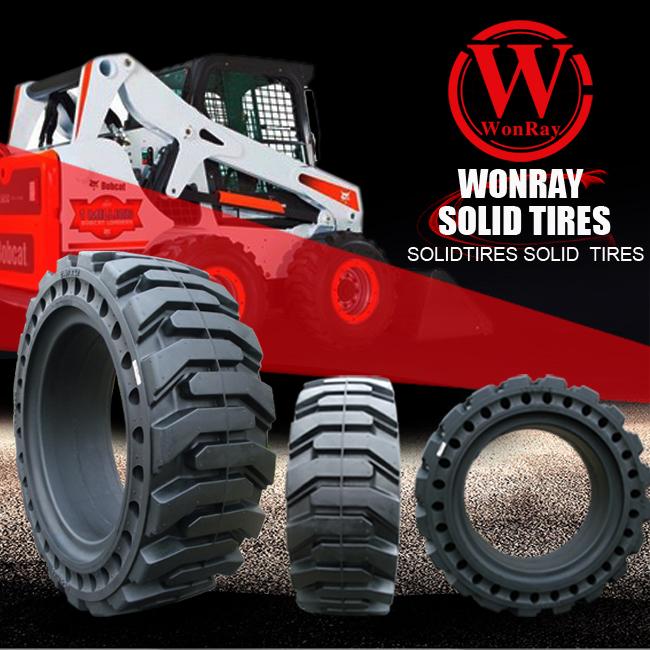
● Solid and Semi-Solid Tires – Resistant to punctures and maintenance-free, perfect for indoor or heavily abrasive environments.
Understanding the operational environment and load requirements is key to selecting the appropriate tire type for heavy machinery.
Advantages of Investing in High-Quality Tires
High-quality heavy machinery tires deliver measurable benefits that enhance productivity and reduce costs:
● Enhanced Safety – Superior traction and stability prevent accidents and equipment damage.
● Operational Efficiency – Reduced downtime due to fewer tire failures and improved machine handling.
● Extended Tire Life – Durable tires resist cuts, abrasions, and uneven terrain, lowering replacement frequency.
● Fuel and Energy Savings – Optimized rolling resistance reduces fuel consumption and operational costs.
● Adaptability Across Terrain – Designed to perform effectively on multiple surfaces, from soft soil to rocky construction zones.
These advantages make investing in high-quality heavy machinery tires a strategic decision for industrial B2B operations.
Maintenance Best Practices
Proper tire maintenance maximizes performance and extends lifespan:
● Regular Inspections – Check for cuts, punctures, cracks, and abnormal wear patterns.
● Correct Inflation – Maintain recommended pressures for optimal traction, load support, and fuel efficiency.
● Load Management – Avoid exceeding machine and tire load limits to prevent premature failure.
● Clean Operating Surfaces – Remove debris or sharp objects that could damage tires.
● Seasonal Adjustments – Consider terrain and environmental changes to optimize tire performance, such as switching to flotation tires in wet conditions.
Consistent maintenance reduces downtime, protects operators, and ensures heavy machinery performs at peak efficiency.
Conclusion
Heavy machinery is central to industrial operations, but its efficiency and safety rely heavily on the tires it uses. High-quality heavy machinery tires provide enhanced traction, durability, and stability across diverse terrains, ensuring projects run safely and efficiently. Selecting the correct tire type, coupled with proper maintenance, can significantly reduce downtime, lower costs, and extend the operational life of machinery. For industrial B2B companies, investing in the right tires is a key factor in operational success.
FAQ
Q1: What is the difference between bias-ply and radial heavy machinery tires?
Bias-ply tires have stronger sidewalls and are more durable on rugged terrain, while radial tires offer better traction, longer lifespan, and lower heat build-up for heavy equipment.
Q2: How often should heavy machinery tires be inspected?
Inspections should be performed weekly to check for cuts, cracks, abnormal wear, and proper inflation.
Q3: Can the same tires be used on different terrains?
Some tires are versatile, but it’s important to select tires based on the primary terrain and load requirements for optimal safety and performance.
Q4: How do high-quality tires impact fuel efficiency?
Optimized tires reduce rolling resistance, which lowers fuel consumption and improves overall operational efficiency.
Post time: 05-03-2026