
Boom lifts are essential equipment in construction, maintenance, and industrial operations, providing safe access to elevated areas. While the focus often falls on hydraulics or control systems, tires play a crucial role in performance and safety. Industrial solid rubber tires for boom lifts have emerged as a durable, low-maintenance solution, offering stability, long lifespan, and reduced operational downtime. In this article, we explore how selecting the right tires can enhance the efficiency and reliability of boom lift operations for businesses.
The Importance of Choosing Solid Rubber Tires for Boom Lifts
Boom lifts operate in diverse environments, from uneven construction sites to smooth warehouse floors. Standard pneumatic tires are prone to flats and punctures, leading to downtime and costly repairs. Industrial solid rubber tires, however, provide:
● Puncture-Free Operation – Solid tires eliminate the risk of flats, ensuring continuous workflow.
● Durability – Constructed from high-strength rubber, these tires withstand heavy loads and abrasive surfaces.
● Enhanced Stability – Solid tires maintain their shape under load, improving operator safety and machine handling.
For companies managing multiple boom lifts, investing in solid rubber tires reduces maintenance costs and increases operational reliability.
Advantages of Industrial Solid Rubber Tires for Boom Lifts
Industrial solid rubber tires offer several benefits that directly impact productivity, safety, and cost-efficiency:
1. Reduced Maintenance and Downtime
● No need for regular air pressure checks or patch repairs.
● Resistant to punctures from nails, debris, and sharp objects.
● Longer lifespan means fewer replacements over time, saving labor and material costs.
2. Increased Safety for Operators
● Eliminates sudden flat tires that can compromise safety at height.
● Provides steady traction and load distribution, reducing the risk of tip-overs.
● Minimizes vibrations, improving operator comfort during extended use.
3. Improved Operational Efficiency
● Solid tires maintain consistent performance across varied terrain.
● Reduces unplanned stoppages due to tire failure, keeping projects on schedule.
● Supports heavier loads without deformation, enabling efficient lifting operations.
4. Economic and Environmental Benefits
● Solid tires are often recyclable, reducing environmental impact.
● Fewer replacements lower overall operating costs.
● Optimized traction reduces fuel consumption for motorized boom lifts.
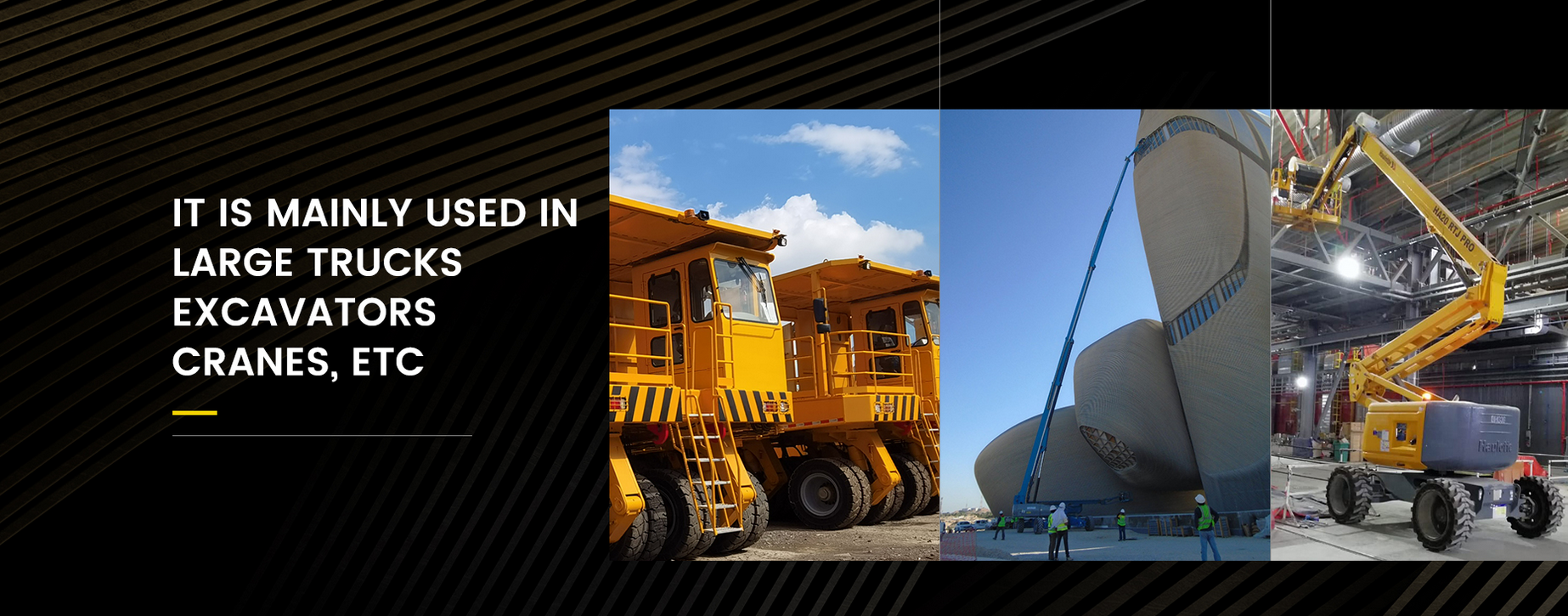
Selecting the Right Industrial Solid Rubber Tires
Choosing the proper tires for your boom lift involves considering multiple factors:
● Load Capacity – Ensure the tire can safely handle the boom lift’s maximum weight and attachments.
● Tread Pattern – Aggressive treads provide traction on rough terrain, while smooth treads are ideal for indoor operations.
● Durability Requirements – Assess your operating environment: construction sites require hard compounds; softer surfaces benefit from slightly more flexible rubber.
● Supplier Reliability – Trusted manufacturers provide warranties, performance testing, and customer support.
Making an informed choice ensures that your investment contributes to productivity, safety, and long-term savings.
Applications Across Industries
Industrial solid rubber tires are versatile and support boom lift operations in multiple sectors:
● Construction Sites – Navigate gravel, rubble, and uneven terrain without the risk of flats.
● Warehousing & Logistics – Smooth, non-marking tires protect floors while maintaining stability.
● Maintenance & Facility Management – Reliable traction and low vibration improve safety during high-reach tasks.
● Industrial Plants & Factories – Handle heavy loads in environments with abrasive or debris-laden floors.
For businesses operating multiple lifts in diverse environments, selecting tires tailored to each application ensures safe and efficient operations.
Maintenance Best Practices
Even though solid rubber tires are low-maintenance, adopting proper care extends their lifespan:
● Regularly remove debris from tire surfaces.
● Inspect for unusual wear or damage.
● Ensure correct mounting and alignment for even wear.
● Monitor load distribution and rotate tires if applicable.
Following these steps maintains optimal performance and protects your investment.
Conclusion
Industrial solid rubber tires for boom lifts are a strategic investment for businesses prioritizing safety, efficiency, and cost-effectiveness. Their durability, puncture resistance, and stable performance make them ideal for demanding industrial applications. By selecting the right tires and maintaining them properly, companies can reduce downtime, minimize long-term costs, and enhance operational reliability. For B2B buyers, understanding the value of solid rubber tires ensures boom lifts perform safely and efficiently in all working conditions.
FAQ
Q1: How do industrial solid rubber tires compare to pneumatic tires in cost?
● While initial investment may be higher, solid tires reduce maintenance and downtime, offering better ROI over time.
Q2: Are solid rubber tires suitable for all boom lift models?
● Most boom lifts can accommodate solid tires, but it’s important to check load capacity, wheel size, and operating conditions.
Q3: Can these tires be used indoors?
● Yes, smooth solid tires provide traction without damaging floors, ideal for warehouses and factories.
Q4: How can companies maximize the lifespan of solid rubber tires?
● Correct installation, regular inspection, debris removal, and choosing the right tread and compound for the application are key to longevity.
Post time: 14-01-2026