
In the world of material handling, forklifts are the backbone of warehouses, factories, and logistics hubs. However, the performance, safety, and lifespan of these machines rely heavily on one often-overlooked component — forklift tires and rims. The right combination ensures smooth operation, better traction, and reduced maintenance downtime, all of which are vital for B2B operations seeking maximum productivity.
The Critical Role of Forklift Tires and Rims
Forklift tires and rims are not just accessories; they are structural elements that directly affect vehicle stability, load-bearing performance, and operational efficiency.
-
Load Stability: Properly fitted tires and rims prevent imbalance when lifting heavy pallets.
-
Operator Safety: Reduces vibration, slippage, and uneven movement on industrial floors.
-
Cost Efficiency: High-quality components minimize wear and lower replacement frequency.
-
Energy Savings: Reduced rolling resistance helps improve fuel efficiency or battery life.
Types of Forklift Tires and Their Applications
Choosing the correct tire type depends on your working environment and operational needs:
-
Solid Tires (Cushion Tires) – Ideal for indoor use on smooth floors; maintenance-free and highly durable.
-
Pneumatic Tires – Designed for outdoor or uneven surfaces; provide shock absorption and better traction.
-
Polyurethane Tires – Best suited for electric forklifts and light-duty applications; offer low rolling resistance and quiet operation.
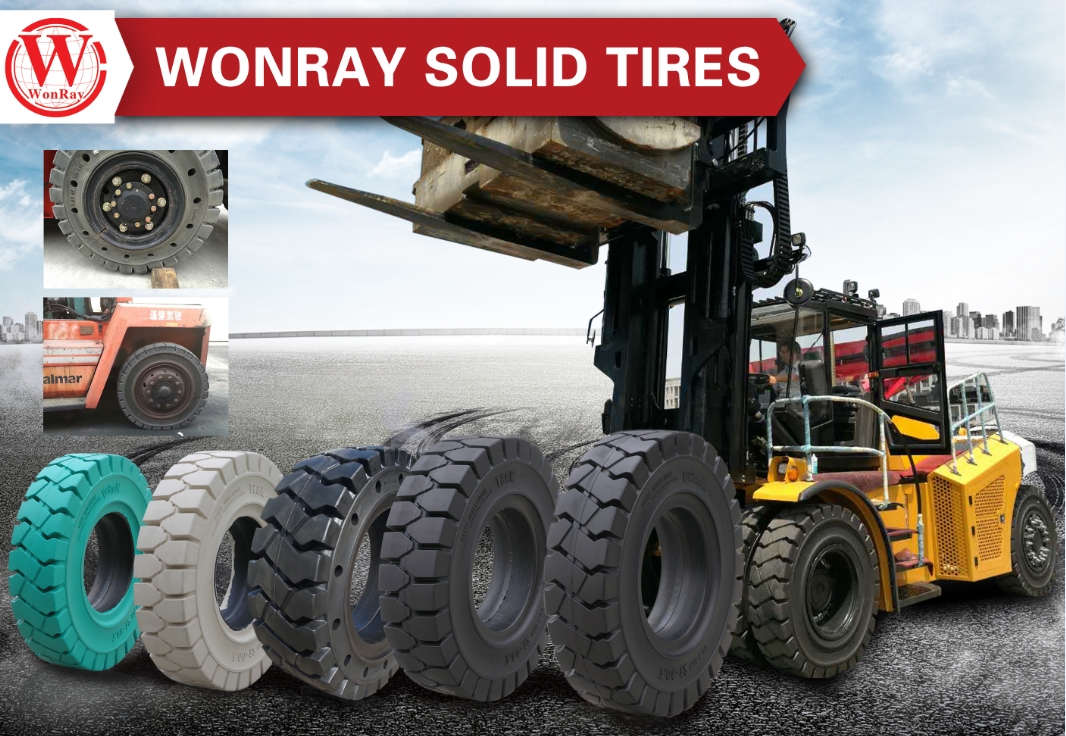
Why Forklift Rims Matter
Rims play a crucial role in maintaining tire integrity and overall forklift stability. A mismatched or damaged rim can lead to uneven tire wear and operational hazards.
When choosing rims for your forklift:
-
Ensure size and load compatibility with the tire.
-
Select reinforced steel or alloy rims for heavy-duty use.
-
Check bolt patterns and hub fit for secure installation.
Tips for Selecting Forklift Tires and Rims in B2B Operations
For industrial buyers and distributors, making informed procurement decisions can significantly impact operational performance. Consider these factors:
-
Environment: Indoor vs. outdoor, surface conditions, and temperature.
-
Load Capacity: Match tires and rims to the forklift’s rated capacity.
-
Maintenance Requirements: Choose designs that reduce downtime.
-
Supplier Reliability: Partner with certified suppliers who offer consistent quality and technical support.
Conclusion
Forklift tires and rims are essential components that influence productivity, safety, and overall equipment performance. For B2B buyers, investing in high-quality materials from trusted manufacturers ensures long-term value and reduced total ownership costs. Whether you operate in warehousing, logistics, or manufacturing, optimizing your forklift tire and rim selection can transform your operational efficiency.
FAQ: Forklift Tires and Rims
1. How often should forklift tires be replaced?
Typically, tires should be replaced every 1,000–2,000 operational hours, or sooner if you notice cracks, flat spots, or reduced traction.
2. Can rims from one forklift model fit another?
Not always. Rim specifications vary by manufacturer and model; always confirm compatibility before installation.
3. What are the benefits of solid tires over pneumatic tires?
Solid tires require no air, resist punctures, and are ideal for indoor use — but pneumatic tires offer better shock absorption outdoors.
Post time: 10-10-2025