
In high-density operational environments, the choice of solid tires is crucial for maintaining efficiency, safety, and productivity. Industrial vehicles such as forklifts, skid-steer loaders, and warehouse trucks often operate under heavy loads, tight spaces, and continuous use. Choosing the right solid tires ensures that these vehicles perform optimally, reduces downtime, and prolongs equipment life. This article explores the benefits, selection criteria, and top considerations for solid tires in high-density operations, offering a comprehensive guide for B2B decision-makers.
Benefits of Solid Tires in High-Density Operations
Solid tires offer a unique set of advantages that make them particularly suitable for high-density operations:
● Elimination of Downtime: Solid tires are puncture-proof, removing the risk of flats or blowouts that could halt operations. This reliability is essential in busy warehouses and manufacturing facilities.
● Enhanced Stability: Their sturdy construction provides excellent stability, which is critical when handling heavy loads in tight, crowded spaces. Stable tires reduce the risk of accidents and improve overall operational safety.
● Durability: Solid tires are known for their long lifespan, making them cost-effective in the long run. They withstand repeated heavy use and harsh industrial environments without significant wear.
● Low Maintenance: Unlike pneumatic tires, solid tires do not require constant air pressure monitoring or inflation. This reduces maintenance time and associated costs, enabling smoother daily operations.
● Consistent Performance: Solid tires maintain consistent traction and handling over time, ensuring predictable vehicle performance even under challenging conditions.
Selecting the Best Solid Tires for High-Density Operations
When selecting solid tires, several factors should be considered to ensure the best performance and longevity:
● Load Capacity: Assess the maximum weight that the tires will need to support. Selecting tires with appropriate load ratings prevents overloading, which can reduce tire life and compromise safety.
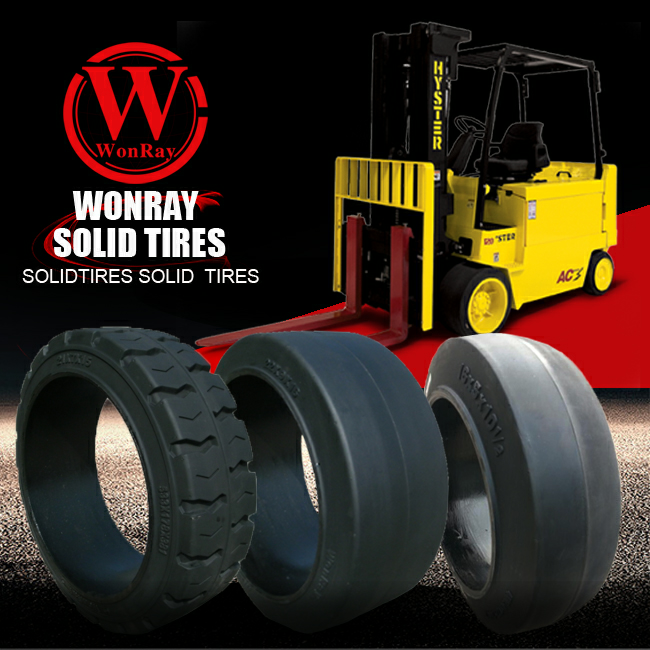
● Tread Design: The tread pattern should match the operating environment. Aggressive treads provide traction on rough surfaces, while smoother treads are suitable for indoor warehouse floors. Proper tread selection enhances stability and reduces wear.
● Compound: Tire compounds vary based on durability, heat resistance, and grip. Industrial-grade rubber or polyurethane compounds may be required for high-temperature or abrasive surfaces.
● Size: Correct tire size ensures proper fit and optimal performance. Oversized or undersized tires can affect load distribution, handling, and operational safety.
● Operational Conditions: Consider factors like floor type, temperature variations, and exposure to chemicals, as these conditions can impact tire performance.
Key Considerations When Choosing Solid Tires
Selecting the best solid tires requires evaluating the following considerations:
● Operational Environment: Determine the type of surface and environment where the vehicles operate. Smooth warehouse floors, rough outdoor terrain, or chemical-prone environments may require different tire specifications.
● Equipment Compatibility: Ensure the tires match the specifications of your vehicles, including hub size, axle configuration, and load requirements. Incorrect fit can compromise safety and tire lifespan.
● Budget and ROI: While higher-quality tires may have a higher upfront cost, their durability and reduced maintenance often result in a lower total cost of ownership. Consider both immediate costs and long-term savings.
● Safety Requirements: Solid tires contribute to safer operations by reducing the risk of blowouts, improving stability, and providing consistent traction. Prioritize safety-certified tires where applicable.
● Environmental Considerations: Some solid tires are designed to minimize floor damage and reduce noise in indoor environments, which can be important for warehouse worker safety and comfort.
Maintenance Tips for Solid Tires
Even though solid tires are low maintenance, proper care ensures maximum lifespan and efficiency:
● Regular Inspections: Check for signs of wear, embedded debris, or surface damage. Early detection prevents minor issues from becoming major problems.
● Cleaning: Keep tires clean from dirt, oil, and chemical residues. This reduces abrasion and maintains optimal traction.
● Avoid Overloading: Consistently exceeding load capacity accelerates wear and can damage vehicle components.
● Rotation: Rotate tires periodically to promote even wear and extend service life.
Conclusion
Solid tires are an indispensable component for high-density industrial operations. They enhance productivity, reduce downtime, and offer unmatched durability compared to pneumatic tires. By carefully considering factors such as load capacity, tread design, compound, and size, businesses can select the most suitable solid tires for their operations. Proper maintenance and adherence to manufacturer guidelines further extend tire life, ensuring operational efficiency and safety.
For B2B applications, investing in high-quality solid tires from reputable brands, such as Brand A, provides long-term benefits and supports continuous, reliable industrial operations.
FAQ
Q1: How long do solid tires typically last in high-density operations?
A: With proper maintenance, solid tires can last several years, depending on load, frequency of use, and operating conditions.
Q2: Can solid tires be used both indoors and outdoors?
A: Yes, depending on tread design, solid tires are suitable for warehouse floors as well as rough outdoor surfaces.
Q3: Do solid tires require air inflation?
A: No, solid tires are made of dense rubber or polyurethane and do not require inflation, eliminating the risk of flats.
Q4: How often should solid tires be inspected?
A: Visual inspections should be conducted weekly, with more frequent checks under heavy use or harsh environments.
Post time: 15-12-2025