
In global logistics hubs, ports are under constant pressure to move cargo faster, safer, and more efficiently. Equipment such as container handlers, terminal tractors, and heavy forklifts must operate continuously in demanding conditions. While engines and hydraulics often receive priority, one component has a direct and often underestimated impact on performance—solid tires for port vehicles. For B2B operators, choosing the right tire solution can significantly influence uptime, safety, and long-term operational costs.
The Operational Reality of Port Environments
Ports present one of the most challenging environments for industrial equipment. Vehicles are exposed to continuous heavy loads, harsh surfaces, and unpredictable debris. Unlike controlled indoor settings, port operations involve a combination of environmental stress factors that accelerate tire wear and increase failure risks.
● High-load cycles involving container stacking and transport
● Abrasive surfaces such as reinforced concrete and steel plates
● Exposure to sharp debris including metal fragments and broken pallets
● Weather and environmental conditions such as humidity, salt corrosion, and heat
These conditions require tire solutions that go beyond standard durability and deliver consistent performance under pressure.
Why Solid Tires Are Gaining Preference in Ports
Solid tires have become increasingly popular in port operations because they directly address the limitations of traditional pneumatic tires. By eliminating air pressure, solid tires remove one of the most common causes of equipment downtime.
Their construction allows them to withstand extreme loads and resist damage from sharp objects. This reliability is critical in port environments where even short interruptions can disrupt large-scale logistics operations.
Additionally, solid tires provide consistent performance regardless of pressure variations, ensuring predictable handling and improved operational control.
Structural Engineering Behind Solid Port Tires
Modern solid tires are engineered with advanced materials and layered structures to meet the demands of heavy-duty applications. Their design is focused on balancing strength, flexibility, and wear resistance.
● High-density rubber compounds enhance durability and load-bearing capacity
● Multi-layer construction improves shock absorption while maintaining structural integrity
● Reinforced base ensures secure mounting on rims under heavy stress
● Specialized formulations increase resistance to heat and abrasion
These engineering features enable solid tires to maintain performance over extended operating cycles.
Impact on Equipment Performance and Handling
Tire performance directly affects how port vehicles behave during operation. Solid tires provide a stable contact surface that improves overall machine control.
This stability allows operators to handle heavy loads more precisely, reducing the risk of load shifting or tipping. Improved traction also enhances braking efficiency, which is particularly important in busy port environments with high traffic density.
By providing predictable handling, solid tires contribute to safer and more efficient operations.
Reducing Downtime and Maintenance Interruptions
Downtime is one of the most significant cost drivers in port operations. Tire-related issues, such as punctures or pressure loss, are among the most common causes of unexpected equipment stoppage.
Solid tires eliminate these risks by design. Without air pressure, there is no risk of sudden failure due to puncture. This allows vehicles to operate continuously without interruption.
Maintenance requirements are also significantly reduced, as there is no need for regular pressure checks or emergency repairs. This frees up maintenance resources and improves overall operational efficiency.
Cost Efficiency Through Lifecycle Optimization
Although solid tires typically require a higher initial investment, their long-term value becomes clear when evaluated over the full lifecycle.
● Extended service life reduces the frequency of replacements
● Lower maintenance requirements decrease labor and repair costs
● Improved uptime increases equipment productivity
● Reduced failure risks minimize unexpected expenses
For B2B operators managing large fleets, these factors contribute to substantial cost savings over time.
Matching Tire Solutions to Specific Port Equipment
Different types of port vehicles have varying performance requirements, and selecting the right solid tire solution is essential.
● Terminal tractors require tires that provide stability during continuous towing operations
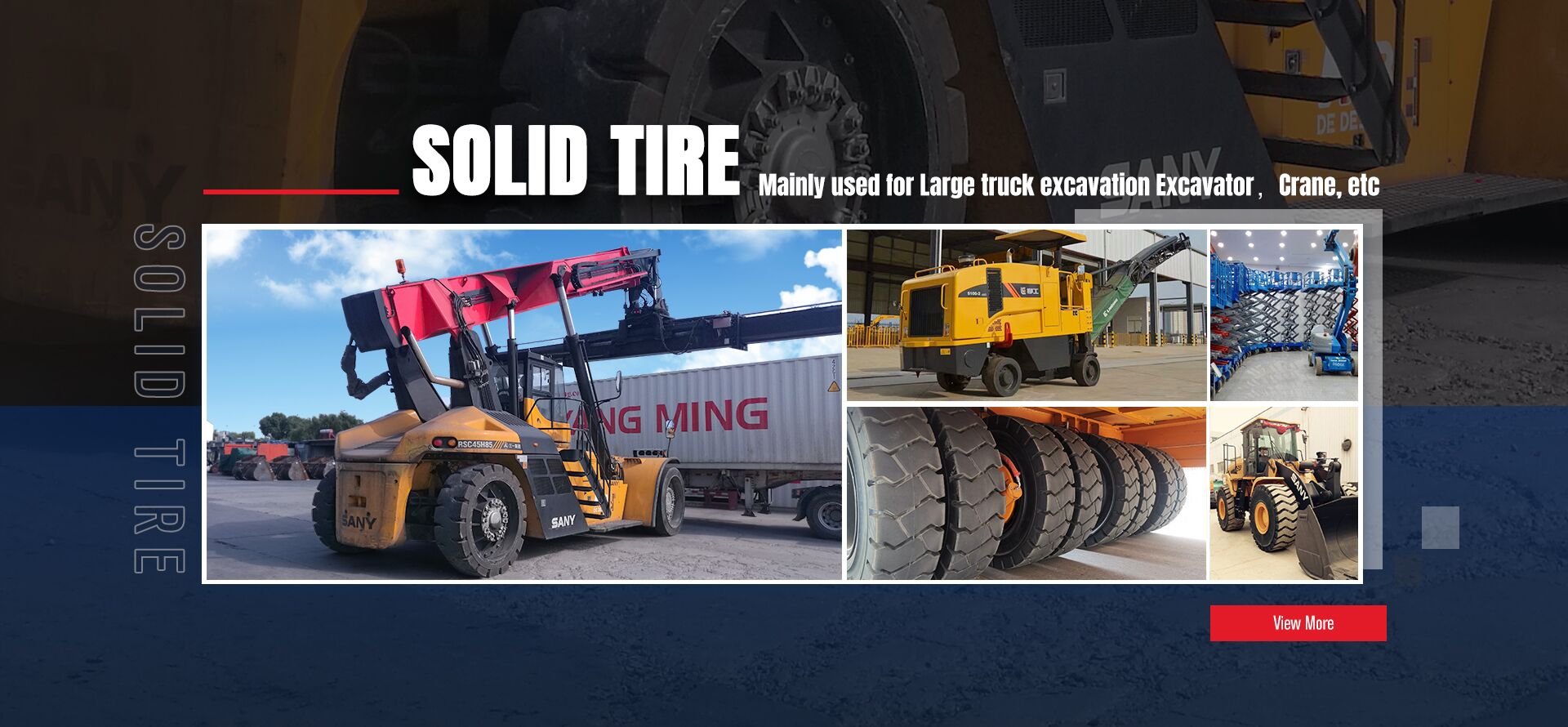
● Reach stackers demand high load capacity for handling heavy containers
● Container forklifts need durable tires for maneuvering in confined spaces
● Bulk handling equipment requires resistance to abrasive materials
Customizing tire selection based on equipment type ensures optimal performance and longevity.
Sustainability and Future Trends in Port Tire Technology
As ports move toward greener and more efficient operations, tire technology is also evolving. Manufacturers are focusing on developing materials that reduce rolling resistance, thereby improving energy efficiency.
There is also increasing emphasis on environmentally friendly production processes and recyclable materials. These innovations align with global sustainability goals while maintaining high performance standards.
In the future, smart tire monitoring systems may also play a role in providing real-time data on wear and performance, further improving maintenance planning.
Conclusion
Solid tires for port vehicles represent a critical upgrade for modern port operations. Their ability to deliver durability, stability, and low maintenance performance makes them an ideal solution for high-demand environments.
For B2B buyers, investing in high-quality solid tires is not just about improving equipment performance—it is about ensuring operational continuity, enhancing safety, and achieving long-term cost efficiency in a competitive logistics landscape.
FAQ
- Why are solid tires better suited for port environments?
They eliminate puncture risks and provide consistent performance under heavy loads and harsh conditions. - Do solid tires require regular maintenance?
Maintenance is minimal, mainly involving periodic inspection for wear. - Are solid tires compatible with all port vehicles?
They are suitable for most heavy-duty equipment, but proper sizing and specifications are essential. - How do solid tires affect operating costs?
They reduce downtime, lower maintenance expenses, and extend service life, leading to overall cost savings.
Post time: 23-04-2026