
Choosing the right tires is crucial for ensuring the performance, safety, and reliability of your vehicle. AWP Wheels are increasingly popular for their durability and dependability. Whether you operate industrial vehicles, forklifts, construction machinery, or commercial transport, investing in AWP Wheels can enhance performance, reduce maintenance costs, and improve overall safety. This comprehensive buying guide provides valuable insights to help you make an informed decision when selecting AWP Wheels.
Understanding AWP Wheels
AWP Wheels, also known as high-performance industrial wheels, are made of solid rubber or high-durability polymer compounds, without any air chambers. Unlike traditional pneumatic tires, AWP Wheels are designed to withstand heavy-duty use and eliminate the risk of blowouts or air leaks. Their robust construction makes them ideal for demanding applications that require durability and reliability.
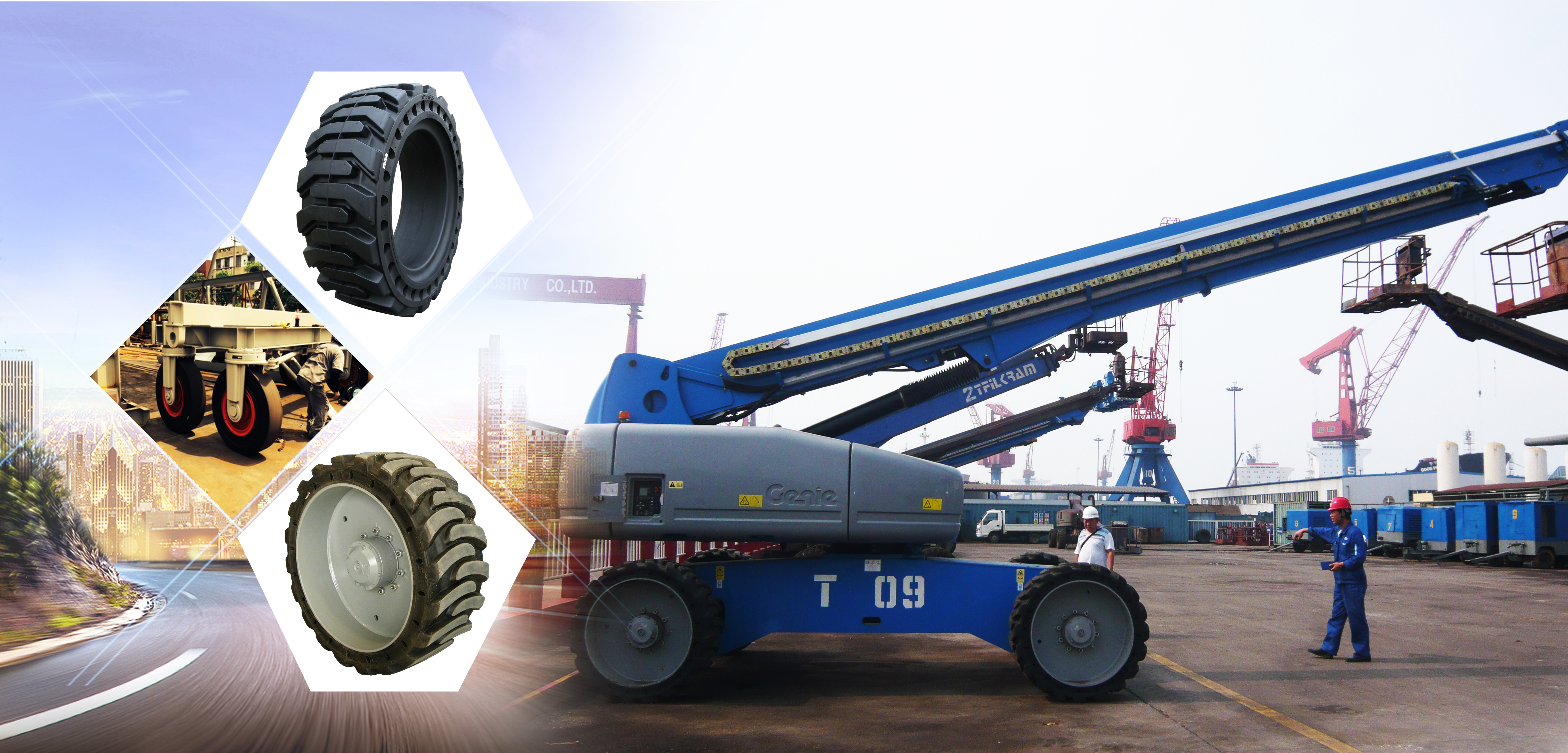
AWP Wheels are widely used in industrial, commercial, and heavy-duty vehicles such as forklifts, skid steer loaders, telehandlers, construction machinery, and warehouse equipment. They are capable of handling heavy loads and resisting wear, making them suitable for continuous use on rough surfaces, sharp debris, or abrasive materials.
Benefits of AWP Wheels
Investing in AWP Wheels provides several advantages over conventional tires:
● Eliminate Blowouts and Flats: With no air chambers, AWP Wheels are completely puncture-resistant, reducing downtime caused by sudden tire failure.
● Low Maintenance Requirements: No need for air pressure checks or inflation, decreasing daily maintenance tasks and maximizing equipment uptime.
● Longer Lifespan: High-quality AWP Wheels generally last longer than traditional tires, saving costs in the long term and reducing replacement frequency.
● Enhanced Stability and Traction: The solid construction ensures stable ground contact and reliable grip, even in industrial or construction environments.
● Ideal for Heavy-Duty and Industrial Applications: Designed to handle high loads and harsh conditions, perfect for forklifts, construction vehicles, and other industrial machinery.
Key Factors to Consider When Buying AWP Wheels
To maximize the value of AWP Wheels, carefully evaluate the following factors before making a purchase:
Determine the Correct Tire Size
Selecting the right tire size is essential to ensure proper fitment and optimal performance. Refer to the manufacturer’s specifications or consult a tire expert to choose the best size for your vehicle. Incorrectly sized wheels can compromise stability, reduce traction, and accelerate wear.
Assess the Tread Pattern
The tread design of AWP Wheels directly affects performance and safety. Different patterns are suitable for different applications:
● Smooth Tread: Ideal for indoor use, warehouses, and paved surfaces, offering low rolling resistance and smooth operation.
● Deep Tread: Suitable for outdoor construction sites or industrial areas, enhancing grip on rough or uneven terrain.
Choosing a tread that matches your operating environment improves safety, efficiency, and durability.
Check Load Capacity
Ensure the wheels you select can handle the maximum load of your vehicle. Overloading can damage the wheel structure, cause uneven wear, and reduce overall performance. Consider the total weight of your vehicle and cargo when evaluating load capacity.
Review Durability and Construction
The quality of materials and construction affects the lifespan of AWP Wheels. Opt for wheels made of high-quality rubber or polymer compounds that resist cuts, abrasion, and impact. Reinforced sidewalls and solid construction perform best in heavy-duty applications.
Evaluate Manufacturer Reputation
Choose AWP Wheels from reputable brands to guarantee quality and reliability. Established manufacturers typically offer warranties, technical support, and consistent performance, ensuring safe and reliable use.
Applications of AWP Wheels
AWP Wheels are highly versatile and widely used across industries:
● Forklifts: Enhance warehouse efficiency and reduce downtime caused by tire failures.
● Construction Vehicles: Perform reliably in rough, abrasive worksite conditions.
● Industrial Equipment: Support heavy loads in manufacturing or warehouse operations.
● Telehandlers and Skid Steer Loaders: Maintain stability during lifting and handling operations.
By selecting the right AWP Wheels, businesses can improve operational efficiency, reduce costs, and ensure the safety of equipment and operators.
Comparing Different AWP Wheel Options
When choosing wheels, consider factors such as size, load capacity, tread design, and durability. High-quality AWP Wheels can differ significantly in performance and lifespan. Ensure your selection aligns with operational environments, load requirements, and usage frequency.
Conclusion
Investing in AWP Wheels can significantly enhance vehicle performance, durability, and safety, especially in industrial, construction, and warehouse settings. By carefully evaluating tire size, tread design, load capacity, and construction quality, you can select the best AWP Wheels for your specific operational needs. Consult tire experts, conduct thorough research, and choose trusted brands to achieve the best results.
Product Selection Recommendations
When selecting AWP Wheels, prioritize options that match your vehicle’s specifications, operational requirements, and environmental conditions. High-quality wheels from reputable manufacturers ensure long-term reliability and stable performance. Applying AWP Wheels to your vehicles or equipment can minimize downtime, reduce maintenance costs, and enhance the safety of operators and machinery.
Following this guide will help you make an informed decision and fully leverage the benefits of AWP Wheels, providing a reliable, cost-effective, and high-performance solution for your vehicle or industrial equipment.
Post time: 05-01-2026