
In industrial operations, equipment uptime and performance depend heavily on the quality of tires. The 6.00×9 tire is one of the most common and reliable sizes used in forklifts, warehouse vehicles, and other material handling machines. Built for durability, stability, and safety, these tires are essential for keeping heavy-duty operations efficient and cost-effective.
Why the 6.00×9 Tire Matters in Industrial Operations
The 6.00×9 tire is widely used in material handling and logistics industries because it balances load-bearing capacity, traction, and longevity. From factory floors to outdoor loading docks, the right tire ensures smooth mobility, reduced downtime, and enhanced operator comfort.
Key Features and Advantages
-
High Load Capacity – Designed to handle heavy industrial loads without deformation.
-
Excellent Stability – Maintains steady balance for forklifts and pallet trucks.
-
Wear Resistance – Made from premium rubber compounds for extended service life.
-
Low Rolling Resistance – Reduces energy consumption and enhances operational efficiency.
-
Smooth Ride Quality – Minimizes vibration, ensuring safety and comfort for operators.
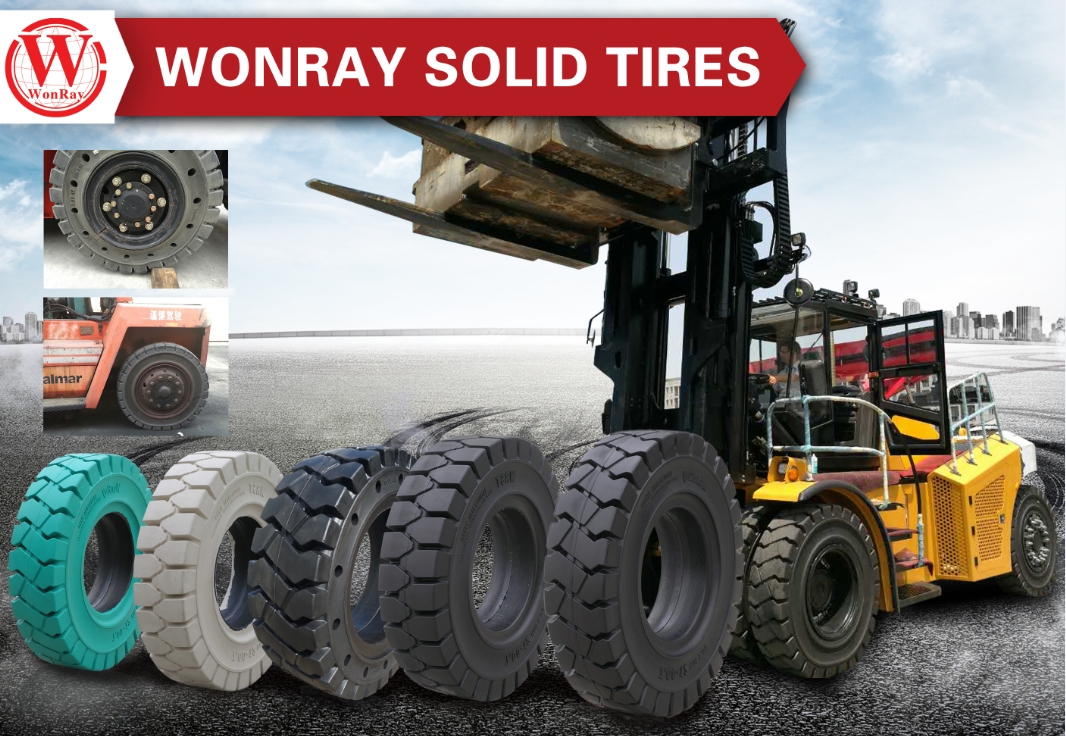
Types of 6.00×9 Tires Available
-
Solid Tires – Best for indoor environments with heavy loads; resistant to punctures and minimal maintenance.
-
Pneumatic Tires – Offer better shock absorption and traction on uneven outdoor surfaces.
-
Non-Marking Tires – Perfect for clean-room or warehouse applications where floor protection is essential.
Each type serves different industrial needs—choosing the right variant helps businesses optimize equipment performance and lower total ownership costs.
Industrial Applications of the 6.00×9 Tire
-
Forklifts & Material Handling Equipment: Commonly fitted on front or rear wheels for stability and traction.
-
Port & Warehouse Vehicles: Ensures reliability in 24/7 operations.
-
Construction & Logistics Machinery: Provides durability under demanding conditions.
-
Manufacturing Facilities: Keeps production lines moving efficiently with minimal downtime.
How to Choose the Right 6.00×9 Tire for Your Business
When selecting a 6.00×9 tire, consider the following:
-
Operating Environment: Indoor vs. outdoor usage.
-
Load Requirements: Match tire type with your machine’s maximum load.
-
Surface Condition: Smooth floors may require solid or non-marking tires, while rough terrain benefits from pneumatic ones.
-
Maintenance Goals: Solid tires minimize servicing, while pneumatic tires need regular air checks.
Conclusion
The 6.00×9 tire may seem like a small component, but it plays a vital role in operational safety and productivity. For B2B industries such as manufacturing, warehousing, and logistics, investing in the right tire ensures longer equipment life, reduced maintenance, and better overall efficiency. By choosing quality, you secure not just smoother operations—but also greater long-term value.
FAQ:
1. What equipment typically uses a 6.00×9 tire?
It’s commonly installed on forklifts, pallet trucks, and other material handling equipment in factories and warehouses.
2. How long does a 6.00×9 tire last?
Depending on usage and environment, solid tires can last 2–3 times longer than pneumatic ones, offering better value for intensive operations.
3. Are 6.00×9 tires available in non-marking versions?
Yes. Non-marking solid tires are ideal for indoor facilities that require clean floors, such as food processing or pharmaceutical plants.
4. How can I improve tire longevity?
Ensure proper tire pressure, regular inspection, and balanced load distribution to maximize service life and reduce wear.
Post time: 30-10-2025