
In logistics operations, equipment availability directly affects the movement of goods. Forklifts, pallet trucks, tow tractors, and other material-handling vehicles must operate reliably across storage areas, picking zones, and loading points. When a tire problem takes a vehicle out of service, it can interrupt scheduled tasks and place additional pressure on other equipment. Choosing suitable Industrial Tires For Logistics is therefore about more than meeting vehicle specifications. Tire condition, operating environment, and maintenance practices all influence how reliably equipment performs during daily material handling.
How Tire Problems Disrupt Logistics Operations
A tire failure can affect more than one handling task. For example, if a forklift develops serious tire damage while transferring pallets to a dispatch area, the operator may need to stop because the vehicle is no longer stable or suitable for continued operation.
The immediate result is the loss of one working vehicle. If it supports a busy picking area, other vehicles may need to take on additional tasks. If it is assigned to scheduled loading work, the interruption may delay the movement of several orders.
This is particularly important in facilities where equipment follows regular routes and performs repeated tasks throughout the day. Even a short repair can create congestion during busy periods. Reliable Industrial Tires For Logistics help reduce this risk by supporting consistent vehicle movement and limiting avoidable tire-related interruptions.
Tire Problems That Can Lead to Equipment Downtime
Not every sign of wear requires immediate replacement. However, certain conditions can affect vehicle handling and make continued operation unsuitable.
Uneven or excessive wear
Normal use gradually wears down tire surfaces. However, wear concentrated in one area may indicate problems with alignment, installation, loading, or operating conditions. Severe unevenness can affect steering response and vehicle stability, especially when carrying heavy goods. Replacing the tire without investigating the cause may allow the same problem to return.
Cuts and missing rubber
Warehouse floors and loading areas may contain metal fragments, broken pallet parts, and other debris. These objects can cut the tire surface or remove sections of rubber. Solid Industrial Tires For Logistics resist puncture-related air loss, but they are not immune to physical damage. Deep cuts or substantial rubber loss require assessment before the vehicle returns to service.
Cracking and deformation
Rubber can deteriorate through aging and repeated stress. Cracks, separation, or abnormal deformation may indicate that a tire needs closer inspection. Their severity depends on their depth, location, and extent. Serious structural damage should not be treated as ordinary surface wear.
Premature deterioration
A tire may appear intact but still be unsuitable for its working conditions. Excessive loads, operating speeds, frequent turning, or unsuitable floor surfaces can contribute to early deterioration. If replacement tires repeatedly develop similar problems, the vehicle’s application and tire specifications should be reviewed.
Why Replacing a Damaged Tire May Not Be Enough
Replacing a damaged tire can restore equipment operation, but it does not always remove the cause of the failure. If the underlying issue remains, the replacement may develop similar problems.
For example, repeated uneven wear on the same wheel position may point to an alignment or installation problem. Rapid deterioration during heavy-duty work may indicate that the tire is not suited to the actual load or operating cycle. Recurring cuts may be connected to debris or damaged flooring along the vehicle’s route.
When evaluating Industrial Tires For Logistics, maintenance teams should consider the circumstances surrounding each failure. Useful records include the vehicle’s working hours, typical load, travel route, frequency of turning, and location of the damage. Comparing vehicles that perform similar tasks can also help identify whether a problem is related to one piece of equipment or a particular work area.
This investigation makes replacement decisions more effective and helps prevent repeated maintenance costs caused by treating visible damage without addressing its source.
Creating a Practical Response to Tire-Related Downtime
A consistent response process helps maintenance personnel assess tire problems and decide what action is needed. The priority should be safe operation, not simply returning every vehicle to service as quickly as possible.
- Inspect the tire condition: Check for deep cuts, missing rubber, cracks, deformation, and unusual wear. Follow the equipment manufacturer’s procedures if the condition may affect safe operation.
- Record operating circumstances: Note the vehicle, wheel position, work area, load conditions, and visible damage. Photos can help track changes and identify recurring faults.
- Check related equipment and surroundings: Review mounting, alignment, braking, and floor conditions instead of assuming the tire is always the original cause.
- Plan replacement appropriately: Keep suitable replacement tires available for essential equipment, and make replacement decisions according to manufacturer guidance and applicable safety requirements.
These steps help teams distinguish normal wear from correctable equipment problems and damage that requires replacement. They also reduce delays caused by repeated troubleshooting.
Choosing Tires That Support Equipment Availability
The right tire must match the vehicle’s actual working conditions, not just its dimensions. Logistics facilities use different types of material-handling equipment, each with its own movement patterns and operating demands. A forklift carrying heavy pallets, for example, places different demands on its tires from a pallet truck used for short-distance handling or a tow tractor moving loads along established routes.
Load capacity is a basic consideration. Tires must be compatible with the vehicle’s rated capacity and operating requirements. A mismatch can contribute to premature wear and affect handling. When selecting Industrial Tires For Logistics, operators should also consider the surfaces on which vehicles work.
Smooth indoor concrete, rough outdoor pavement, floor joints, and areas with frequent debris create different demands. Tire construction and tread design should suit these conditions. A tire suitable for a clean indoor warehouse may not be the best choice for equipment that regularly moves between indoor and outdoor areas.
Operating intensity matters as well. Vehicles running for long periods or across multiple shifts place greater demands on tire durability and heat management. Matching tire specifications to actual workloads and environments helps reduce avoidable deterioration and unexpected replacement.
Making Tire Condition Part of Routine Maintenance
Tire maintenance is more effective when included in the wider equipment maintenance schedule. Rather than waiting for operators to report serious damage, logistics facilities can add tire checks to routine vehicle inspections.
Inspection frequency should reflect equipment usage and working conditions. Vehicles operating continuously in demanding areas may need closer monitoring than those used occasionally. Maintenance records can reveal whether particular routes, vehicles, or wheel positions repeatedly experience problems.
It is also important to distinguish gradual wear from sudden changes. A tire that wears down over an extended period presents a different situation from one that develops unexpected cracking or deformation. Tracking these changes helps maintenance teams plan replacements and avoid taking several essential vehicles out of service at the same time.
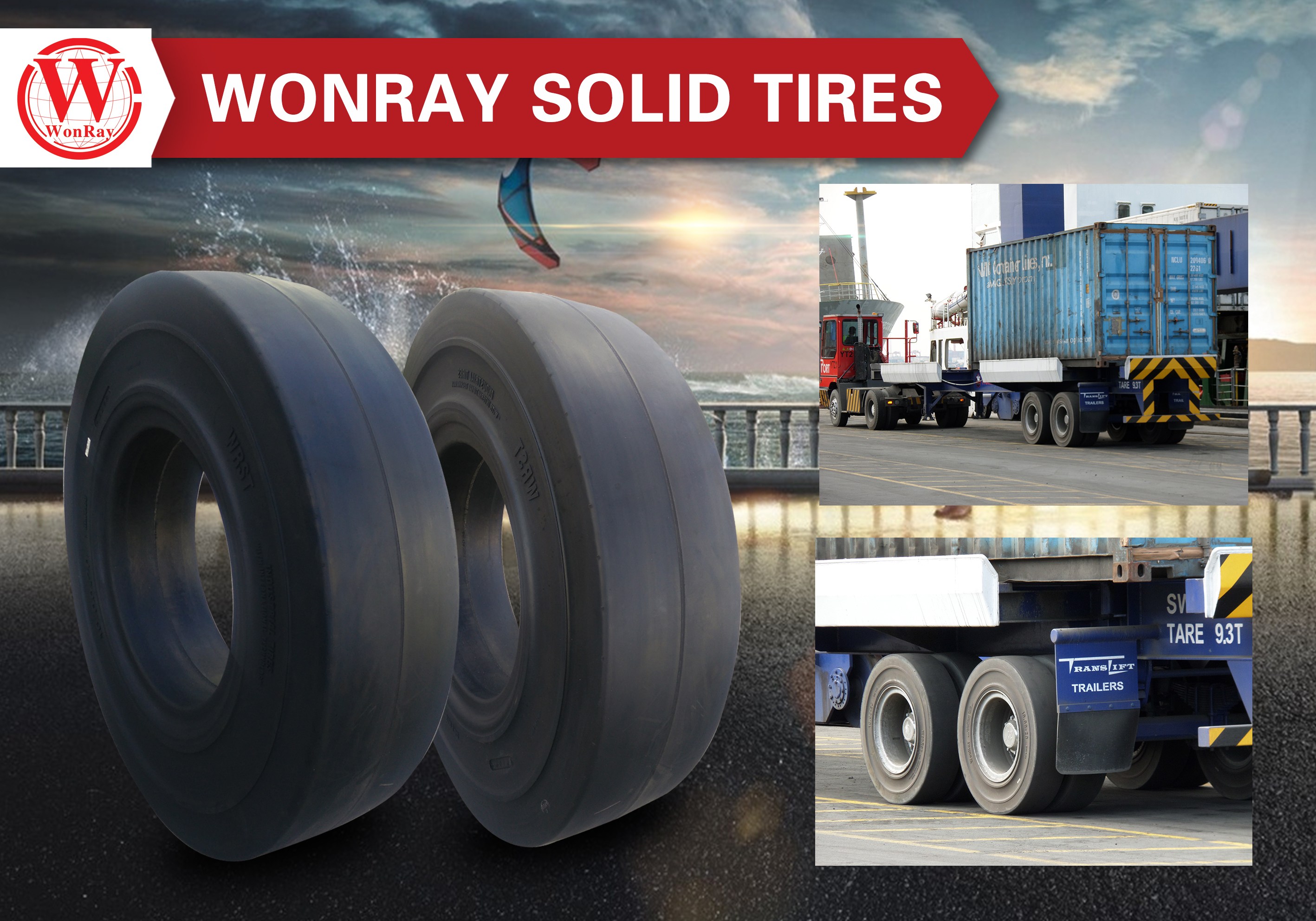
For logistics operators reviewing Industrial Tires For Logistics, WonRay provides solid tire options for industrial applications, including forklifts and wheel loaders. Matching tire specifications to vehicle requirements, loads, floor conditions, and operating intensity helps support reliable equipment performance and reduce premature tire problems.
Conclusion
Tire-related downtime can interrupt material movement, increase maintenance demands, and affect logistics efficiency. Reducing these interruptions requires more than replacing damaged tires. Operators need to identify abnormal conditions, investigate recurring failures, and select products suited to the equipment’s workload and environment. With appropriate selection and routine maintenance, Industrial Tires For Logistics can support dependable vehicle operation and more consistent daily goods movement.
FAQs
1. Can uneven tire wear affect forklift safety?
Yes. Significant uneven wear can affect steering response, vehicle balance, and stability under load. The tire and related equipment should be inspected before continued operation if handling is affected.
2. What should operators do when a solid tire develops a deep cut?
The vehicle should be assessed according to the equipment manufacturer’s safety procedures. Solid tires do not lose air pressure after a puncture, but deep cuts and missing rubber can still compromise their condition.
3. Why do logistics vehicles need different types of industrial tires?
Vehicles differ in load, speed, travel distance, turning frequency, and floor conditions. Tire selection should reflect these differences rather than relying on size alone.
4. How can maintenance teams reduce unexpected tire replacement?
Routine inspections, accurate maintenance records, and investigation of recurring damage can help identify problems earlier. Correcting unsuitable tire selection, poor floor conditions, or equipment faults can also reduce repeated replacements.
Post time: 10-11-2026