
In modern industrial and commercial applications, reliability, durability, and low maintenance are key priorities for fleet operators. The 10×2 125 solid tire has become an increasingly popular choice for businesses that require consistent performance, safety, and cost efficiency. Understanding the advantages and applications of this specific tire size is crucial for B2B buyers and fleet managers seeking optimal vehicle performance.
What Is a 10×2 125 Solid Tire?
The 10×2 125 solid tire is a non-pneumatic tire designed to replace traditional air-filled tires in small industrial vehicles, carts, and utility transport systems. The “10×2 125” specification refers to the tire’s dimensions and compatibility with specific wheel rims, making it a standardized solution for many low-speed vehicles.
Because it is a solid tire, it does not require air, eliminating punctures, blowouts, and air pressure maintenance. This feature ensures uninterrupted operation in warehouses, factories, ports, and other demanding industrial environments.
Key Advantages of 10×2 125 Solid Tires
High Durability
● Solid construction provides superior resistance to wear and tear
● Maintains shape and performance under continuous use and heavy loads
Zero Puncture Risk
● No air chamber means no risk of punctures from nails, glass, or debris
● Reduces downtime caused by tire damage
Low Maintenance Requirements
● No air pressure monitoring or regular inflation needed
● Minimizes labor costs associated with tire maintenance
Consistent Performance
● Provides stable handling for low-speed vehicles
● Suitable for carts, hand trucks, pallet jacks, and small electric vehicles
Cost Efficiency
● Longer lifespan compared to pneumatic tires
● Reduces replacement frequency and total cost of ownership
Common Applications for 10×2 125 Solid Tires
The 10×2 125 solid tire is widely used in B2B applications across multiple sectors:
● Warehouse material handling: pallet jacks, trolleys, and platform carts
● Industrial manufacturing: assembly line transport vehicles and small carts
● Logistics and distribution centers: AGVs and utility vehicles
● Airports and ports: tow tractors, service carts, and low-speed utility vehicles
● Commercial and municipal use: golf carts, sightseeing vehicles, and service carts
These applications benefit from the tire’s durability, low maintenance, and ability to operate reliably in high-frequency, low-speed scenarios.
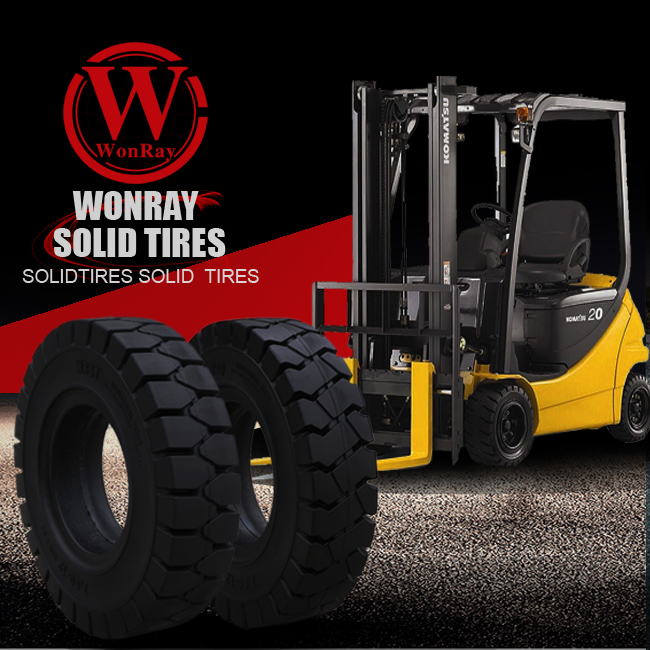
Factors to Consider When Purchasing 10×2 125 Solid Tires
For B2B procurement, selecting the right 10×2 125 solid tire requires evaluating the following factors:
Load Capacity
● Ensure the tire can support the maximum weight of your vehicle and cargo
Material Options
● Rubber solid tires: good shock absorption and resilience
● Polyurethane solid tires: resistant to oil, chemicals, and abrasion
● Composite materials: suitable for extreme industrial conditions
Mounting Type
● Press-on
● Bolt-on
● Quick-change systems
Choose based on wheel compatibility and operational needs.
Operating Environment
● Smooth or rough surfaces
● Indoor or outdoor conditions
● Exposure to chemicals, oil, or debris
Vehicle Speed
● Solid tires are best for low-speed vehicles, typically below 25 km/h
● Not suitable for high-speed transport
Benefits for B2B Fleet Operators
Enhanced Operational Reliability
● Eliminates downtime caused by tire punctures or air loss
● Increases fleet uptime and productivity
Lower Total Cost of Ownership
● Longer service life and minimal maintenance reduce operational expenses
● Predictable replacement cycles aid in budgeting and procurement
Improved Safety
● Stable handling reduces accidents in industrial and commercial environments
● Ideal for low-speed vehicles operating in high-traffic areas
Flexibility and Versatility
● Compatible with a wide range of small industrial and utility vehicles
● Works in diverse environments, from warehouses to outdoor industrial sites
Conclusion
The 10×2 125 solid tire is a cost-effective, durable, and reliable solution for a variety of industrial and commercial vehicles. Its puncture-proof design, low maintenance needs, and long service life make it ideal for warehouses, logistics, ports, and municipal applications. For businesses seeking to improve fleet reliability, reduce downtime, and optimize operational costs, investing in 10×2 125 solid tires offers tangible long-term benefits.
FAQ
1. Can 10×2 125 solid tires be used on regular passenger vehicles?
No. They are designed for low-speed industrial and utility vehicles and are not suitable for highway speeds.
2. How long do 10×2 125 solid tires typically last?
Depending on materials and usage conditions, they can last 3–5 times longer than conventional pneumatic tires.
3. Do 10×2 125 solid tires require maintenance?
Minimal. No inflation or pressure monitoring is required, which reduces labor costs.
4. Are 10×2 125 solid tires suitable for outdoor and harsh environments?
Yes. High-quality tires can handle rough surfaces, chemical exposure, and debris-filled conditions effectively.
Post time: 09-12-2025