
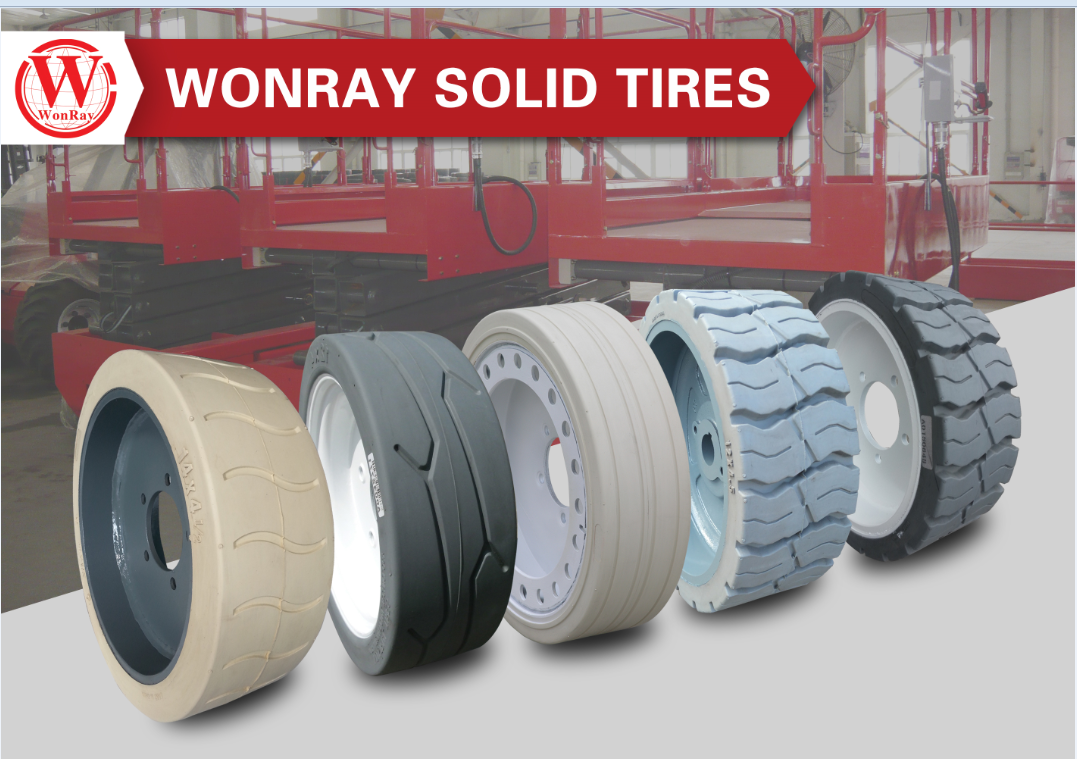
Solid tires are robust, puncture-proof tires made from solid rubber, offering numerous advantages for a wide range of vehicles. Whether used in industrial machinery, forklifts, construction equipment, or even bicycles, solid tires provide exceptional durability, safety, and performance that traditional pneumatic tires often cannot match. For businesses relying on heavy-duty vehicles and equipment, understanding the benefits of solid tires can inform smarter purchasing decisions and reduce long-term operational costs.
Enhanced Durability and Longevity
One of the most significant advantages of solid tires is their outstanding durability. These tires are designed to withstand harsh terrains, heavy loads, and extreme conditions. Unlike pneumatic tires, which are prone to punctures, leaks, and blowouts, solid tires are virtually impervious to punctures. This feature ensures uninterrupted operations, which is especially critical for businesses that operate in environments where downtime can lead to costly delays.
The extended lifespan of solid tires translates into a highly cost-effective solution over time. Industrial vehicles such as forklifts or warehouse trolleys equipped with solid tires can operate for months or even years without needing replacements. This longevity reduces the frequency of tire purchases, contributing to substantial savings for businesses managing fleets of vehicles.
Minimal Maintenance Requirements
Another standout benefit of solid tires is their low maintenance requirements. Traditional pneumatic tires need constant air pressure monitoring and occasional refills, which can be time-consuming and increase operational overhead. Solid tires, by contrast, require virtually no maintenance related to air pressure. There’s no risk of deflation, which eliminates the hassle of frequent checks, prevents unexpected downtime, and reduces overall maintenance costs.
For B2B operations, where fleet management efficiency is crucial, solid tires offer predictable performance with minimal intervention. Maintenance teams can redirect their efforts to other operational priorities, improving overall productivity and resource allocation.
Improved Stability and Handling
Solid tires also provide superior stability and handling, particularly on rough or uneven surfaces. The solid rubber construction ensures consistent performance, allowing drivers to maintain precise control over their vehicles. This stability is critical in industrial settings, construction sites, and warehouses where heavy loads are moved in confined spaces or over challenging terrain.
Enhanced handling reduces the risk of accidents, protects goods from damage, and improves overall operational safety. Vehicles equipped with solid tires experience less vibration, which can also prolong the lifespan of sensitive equipment and reduce operator fatigue.
The Applications of Solid Tires Across Industries
Solid tires are widely used across numerous industries due to their versatility and robust performance. Below is an overview of key sectors where solid tires play a pivotal role:
● Agriculture: In agriculture, tractors, harvesters, and other farm machinery often work on uneven fields, rough soil, and areas with debris. Solid tires resist punctures from stones, roots, or other obstacles, ensuring reliable performance during long operational hours.
● Construction: Construction vehicles, including forklifts, skid steers, and loaders, face heavy loads and rugged terrain daily. Solid tires provide the durability and stability required to operate safely on construction sites, reducing downtime and maintenance costs.
● Warehousing and Logistics: In warehouses and distribution centers, forklifts, pallet jacks, and other material handling equipment rely on solid tires for stability and load-bearing efficiency. Solid tires support frequent movements, heavy lifting, and tight maneuvering, which improves productivity and safety during logistics operations.
● Manufacturing: Assembly lines and industrial plants often require vehicles to transport materials efficiently within limited spaces. Solid tires offer predictable performance without the risk of sudden punctures, maintaining workflow and reducing interruptions.
● Urban Services and Waste Management: Vehicles used in urban environments, such as waste collection trucks or small utility vehicles, encounter debris, glass, and uneven roads. Solid tires ensure uninterrupted service and minimize the risk of unexpected downtime.
Comparison Between Solid Tires and Pneumatic Tires
| Tire Type | Durability | Maintenance | Stability |
|---|---|---|---|
| Solid Tires | High | Low | Excellent |
| Pneumatic Tires | Medium | High | Variable |
This comparison highlights why many industrial and commercial operators prefer solid tires, particularly in applications where durability and reliability are critical.
Selecting the Right Solid Tires
When choosing solid tires for your vehicles, several factors should be considered to ensure optimal performance:
● Tire Size: Selecting the correct size ensures proper load distribution, vehicle balance, and compatibility with rims.
● Tread Pattern: Different tread patterns provide varying levels of grip, wear resistance, and traction suitable for indoor, outdoor, or mixed environments.
● Load-Carrying Capacity: Ensure that the tires can safely support the maximum load your vehicle will carry.
● Material Composition: High-quality rubber compounds provide better wear resistance, reduce heat buildup, and improve overall durability.
● Environmental Conditions: For vehicles operating in extreme temperatures or chemically aggressive environments, specialized solid tires are available to withstand these challenges.
Investing in the right solid tires not only improves vehicle reliability and safety but also reduces long-term operational costs, making it a smart choice for commercial and industrial applications.
Conclusion
Solid tires offer numerous advantages for vehicles across various industries. Their durability, minimal maintenance requirements, superior stability, and puncture resistance make them a reliable choice for heavy-duty, industrial, and commercial applications. By carefully selecting the appropriate tire size, tread pattern, and load capacity, businesses can maximize operational efficiency, minimize downtime, and extend the service life of their vehicles. Solid tires are a cost-effective investment that enhances performance, safety, and productivity.
FAQ
Q: What makes solid tires better than pneumatic tires?
A: Solid tires are puncture-proof, require minimal maintenance, provide superior stability, and last longer, making them ideal for heavy-duty applications.
Q: Can solid tires be used outdoors on rough terrains?
A: Yes. Solid tires are designed to withstand rough surfaces, debris, and heavy loads, making them suitable for outdoor industrial and construction environments.
Q: How do I choose the right tread pattern for my solid tires?
A: Select a tread pattern based on your operating surface, load requirements, and desired traction. For indoor use, smooth treads are often sufficient, while outdoor or mixed surfaces may require lug or cross-hatch patterns.
Q: Are solid tires cost-effective despite higher upfront costs?
A: Yes. The reduced maintenance, longer lifespan, and improved operational efficiency make solid tires a cost-effective option in the long term.
Post time: 11-12-2025