
Skid steer solid rubber tires have become increasingly popular in the industrial and commercial vehicle sector due to their unmatched durability, reliability, and cost-efficiency. Unlike pneumatic tires, which rely on air pressure and are prone to punctures or blowouts, skid steer solid rubber tires are made of solid rubber compounds, providing robust performance even in the most demanding environments. This article explores the top benefits of using skid steer solid rubber tires and why they are an essential choice for businesses operating heavy-duty equipment.
Durability and Longevity
One of the primary advantages of skid steer solid rubber tires is their exceptional durability. Built from high-quality rubber compounds, these tires can withstand harsh terrains, debris, and heavy loads without the risk of going flat or suffering punctures. For industrial and commercial vehicles, this translates to fewer interruptions, reduced tire replacements, and significantly lower downtime. Compared to pneumatic tires, which are more susceptible to damage from nails, shards, or rough surfaces, skid steer solid rubber tires offer a longer lifespan, providing businesses with a reliable, cost-effective solution.
Enhanced Stability and Safety
Skid steer solid rubber tires provide enhanced stability, especially for vehicles operating on uneven surfaces or carrying heavy loads. The solid construction ensures consistent traction and control, reducing the risk of slips, skids, or accidents during operations. For warehouse vehicles, construction skid steers, and other industrial machines, this added stability improves overall workplace safety. Operators benefit from better maneuverability and confidence while handling heavy materials, making solid rubber tires a smart choice for environments where safety is a top priority.
Minimal Downtime
Another significant advantage of skid steer solid rubber tires is the minimal downtime they offer. Unlike pneumatic tires, which can deflate or burst under pressure, solid rubber tires are puncture-proof, eliminating the need for frequent maintenance or emergency replacements. Vehicles equipped with these tires can operate continuously without interruptions, boosting productivity and allowing businesses to maintain efficient workflow even during high-demand periods.
Cost-Efficiency
While the initial investment in skid steer solid rubber tires may be higher than pneumatic alternatives, their long-term cost benefits are substantial. Their durability and low maintenance reduce the need for frequent replacements, repairs, and associated labor costs. Over time, businesses can achieve significant savings, making solid rubber tires a financially prudent choice for heavy-duty industrial and commercial applications.
Low Maintenance Requirements
Skid steer solid rubber tires require minimal maintenance, which further contributes to their cost-efficiency. There is no need to monitor air pressure, rotate tires regularly, or repair flats, as is necessary with pneumatic tires. This simplicity reduces labor demands and ensures vehicles remain operational for extended periods, making these tires ideal for industrial and commercial operations where efficiency and reliability are critical.
Environmental Benefits
In addition to performance advantages, skid steer solid rubber tires are environmentally friendly. Their long lifespan results in fewer tire replacements and less waste ending up in landfills. Furthermore, by eliminating the risk of blowouts and punctures, these tires reduce the likelihood of oil or debris spills, contributing to safer and cleaner industrial and commercial environments. Companies focused on sustainable practices can benefit from choosing solid rubber tires that align with eco-conscious goals.
Increased Load Capacity
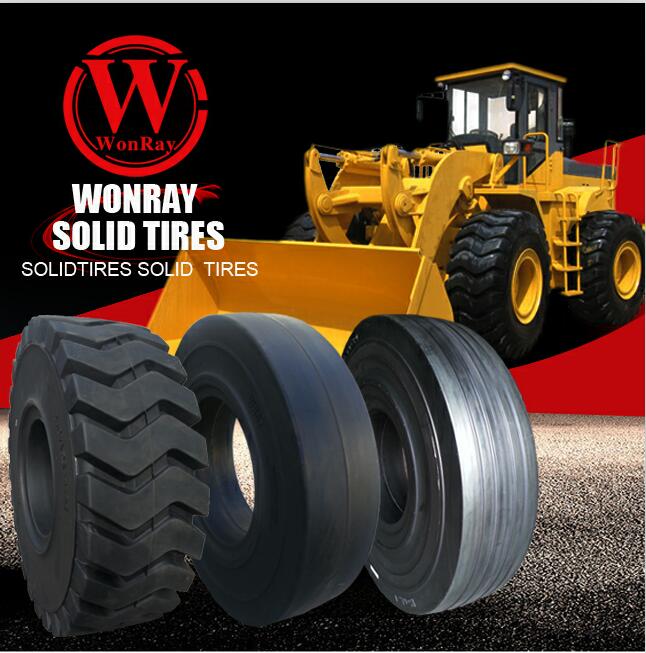
Skid steer solid rubber tires are engineered to handle heavier loads than pneumatic tires, making them suitable for demanding industrial and commercial applications. Whether used on skid steers, loaders, or other heavy machinery, these tires maintain structural integrity under significant weight, ensuring operational safety and efficiency. Businesses can rely on solid rubber tires to support high-density operations without compromising performance.
Resistance to Wear and Tear
Wear and tear is a major concern for vehicles operating in industrial settings, but skid steer solid rubber tires are designed to resist abrasion, cuts, and deformation. They perform reliably on rough surfaces, gravel, and construction sites, ensuring vehicles maintain consistent performance even under extreme working conditions. This resilience reduces overall tire replacement frequency, contributing to long-term operational cost savings.
Improved Fuel Efficiency
Skid steer solid rubber tires can also contribute to improved fuel efficiency. Their stable design and reduced rolling resistance allow vehicles to operate more smoothly, requiring less energy to move heavy loads. Over time, this can result in lower fuel consumption and reduced operational costs, further enhancing the overall value of investing in solid rubber tires.
Versatility and Adaptability
Skid steer solid rubber tires are versatile and adaptable, making them suitable for a wide range of industrial and commercial vehicles. From forklifts and skid steers to wheel loaders and material handling equipment, these tires perform reliably across diverse environments. Their ability to maintain durability, stability, and safety across different terrains makes them a preferred choice for businesses seeking dependable and flexible tire solutions.
FAQ:
Q: Are skid steer solid rubber tires suitable for outdoor and rough terrain?
A: Yes, these tires are specifically designed to withstand harsh outdoor conditions, debris, and uneven surfaces, making them ideal for construction sites and industrial yards.
Q: Can solid rubber tires be repaired if damaged?
A: Solid rubber tires are highly durable but are not repairable like pneumatic tires. Retreading may be possible depending on the tire type and manufacturer guidelines.
Q: How long do skid steer solid rubber tires last compared to pneumatic tires?
A: On average, they last 3-5 times longer than pneumatic tires, depending on operational conditions and load requirements.
Q: Are these tires environmentally friendly?
A: Yes, their long lifespan reduces waste, and they are often made with recyclable materials, making them a sustainable choice.
Conclusion
Skid steer solid rubber tires offer unmatched benefits for industrial and commercial vehicles, including durability, stability, safety, cost-efficiency, and environmental sustainability. Their puncture-proof design, low maintenance, and high load-bearing capacity make them ideal for a wide range of applications, from construction sites and warehouses to industrial facilities.
Investing in high-quality skid steer solid rubber tires ensures that businesses can maintain productivity, reduce downtime, and optimize operational efficiency. For companies looking to enhance safety, reduce maintenance costs, and improve the reliability of their industrial vehicles, solid rubber tires are a smart and long-term solution.
Post time: 08-01-2026