
In the fast-paced world of industrial logistics and transportation, choosing the right wheels for trucks is crucial to ensure efficiency, reliability, and cost-effectiveness. Solid truck wheels have emerged as a preferred solution for heavy-duty applications, offering superior durability, reduced maintenance, and enhanced operational performance. This article explores the benefits, features, and applications of solid truck wheels for businesses operating in industrial and commercial sectors.
Understanding Solid Truck Wheels
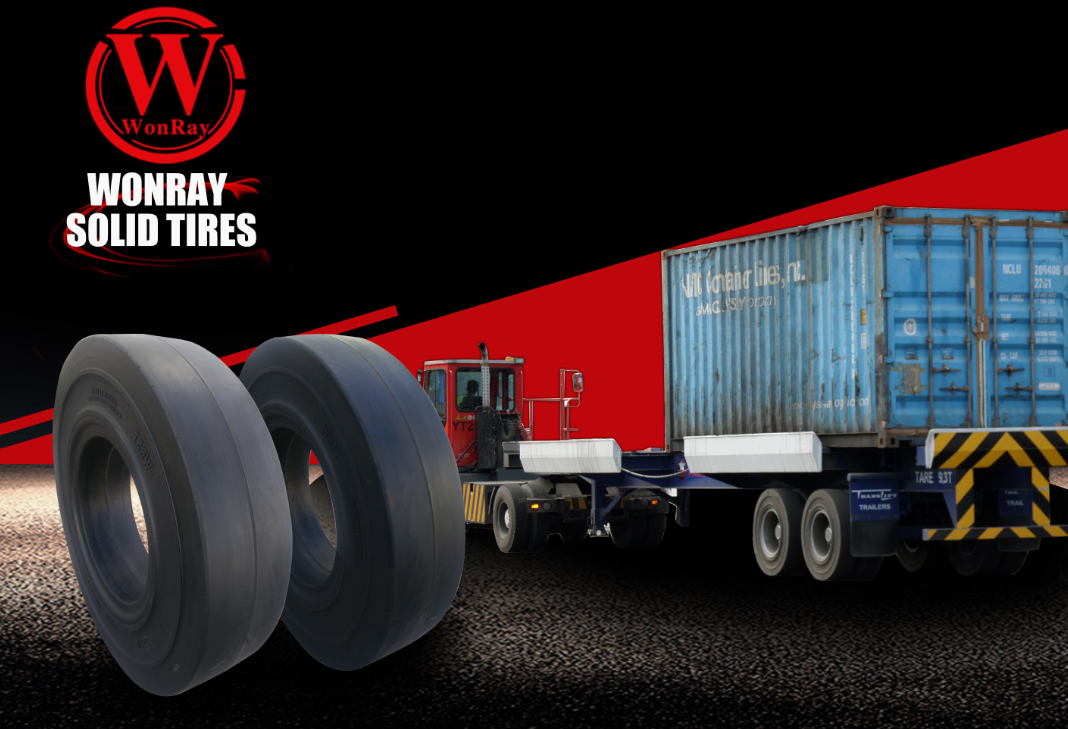
Solid truck wheels, unlike pneumatic wheels, are made from solid rubber or reinforced polyurethane materials and do not contain air chambers. This design eliminates the risk of punctures, blowouts, and tire-related downtime. Solid truck wheels are commonly used in industrial trucks, material handling vehicles, airport tugs, and other heavy-duty transportation equipment.
The key characteristics of solid truck wheels include:
● Puncture resistance – No air-filled chambers, making them immune to flats.
● High load-bearing capacity – Designed to support heavy industrial loads consistently.
● Low maintenance – Minimal upkeep required compared to pneumatic wheels.
● Long service life – Excellent durability under harsh operational conditions.
Advantages of Solid Truck Wheels
Investing in solid truck wheels provides multiple benefits for industrial operations. Key advantages include:
● Enhanced Durability – Solid wheels are resistant to cuts, abrasions, and rough surfaces, allowing trucks to operate longer without replacements.
● Reduced Downtime – By eliminating the risk of flats and blowouts, businesses experience fewer interruptions and improved operational continuity.
● Cost Savings – While the upfront cost may be higher than pneumatic wheels, the extended lifespan and reduced maintenance costs make solid truck wheels a cost-effective long-term solution.
● Increased Safety – Solid wheels provide stable handling and consistent traction, which reduces the risk of accidents during heavy-load transportation.
● Environmental Sustainability – Fewer replacements mean less rubber waste, contributing to more sustainable industrial practices.
Applications of Solid Truck Wheels
Solid truck wheels are highly versatile and suitable for a wide range of industrial and commercial vehicles. Common applications include:
● Material Handling Trucks – Warehouse and factory trucks benefit from puncture-proof solid wheels for smooth indoor and outdoor operations.
● Airport Ground Support Equipment – Tugs, baggage trucks, and cargo vehicles rely on solid wheels for reliable performance on tarmacs and service roads.
● Construction Trucks – Heavy-duty trucks carrying building materials or operating on rough terrains can endure harsh conditions with solid wheels.
● Mining and Logistics Vehicles – Vehicles in mines or distribution centers benefit from solid wheels’ durability and stability.
By matching wheel type to the operational environment, businesses can optimize truck performance and reduce long-term operational costs.
Choosing the Right Solid Truck Wheels
Selecting the right solid wheels for industrial trucks involves careful consideration of several factors:
● Load Capacity – Ensure wheels are rated for the maximum load your trucks carry.
● Operational Environment – Choose wheels suited for indoor warehouses, rough outdoor surfaces, or mixed terrains.
● Material Composition – Rubber wheels are ideal for moderate-duty applications, while polyurethane wheels provide higher resistance to wear and chemical exposure.
● Traction and Stability – Tread patterns and wheel hardness affect grip and vehicle stability. Choose wheels that match your surface conditions.
● Compatibility – Verify that the wheel size and hub configuration are compatible with your existing truck models.
By evaluating these criteria, businesses can maximize operational efficiency, minimize maintenance, and ensure long-term reliability.
Maintenance Tips for Solid Truck Wheels
Although solid truck wheels require less maintenance than pneumatic wheels, proper care extends their service life and enhances performance:
● Regular Inspection – Check for cracks, wear, or embedded debris that could affect performance.
● Proper Installation – Ensure wheels are mounted correctly and securely on the hub to prevent uneven wear or stability issues.
● Surface Cleanliness – Keep wheels free from oils, chemicals, and abrasive debris to prevent premature degradation.
● Rotation and Alignment – Periodically check wheel alignment and rotate wheels if applicable to maintain even wear.
Consistent attention to these maintenance practices ensures solid truck wheels perform optimally in industrial operations.
Conclusion
Solid truck wheels offer unmatched durability, safety, and cost-effectiveness for industrial and commercial vehicles. Their puncture-proof design, long lifespan, and low maintenance requirements make them an ideal choice for operations demanding reliability and efficiency. By carefully selecting wheels based on load capacity, environment, and material composition, businesses can enhance truck performance, reduce downtime, and achieve long-term cost savings. For industries ranging from warehouse logistics to construction and airport operations, solid truck wheels represent a strategic investment that boosts operational productivity and safety.
FAQ
Q1: Are solid truck wheels suitable for outdoor heavy-duty applications?
A1: Yes, solid truck wheels are designed to withstand rough terrains, heavy loads, and abrasive surfaces, making them ideal for outdoor industrial use.
Q2: How do solid truck wheels compare to pneumatic wheels in terms of maintenance?
A2: Solid truck wheels require significantly less maintenance since they are puncture-proof and do not need air pressure checks, unlike pneumatic wheels.
Q3: Can solid truck wheels improve workplace safety?
A3: Absolutely. Their stable construction and consistent traction reduce the risk of vehicle instability and accidents during heavy load transport.
Q4: How long do solid truck wheels typically last?
A4: With proper installation and maintenance, solid truck wheels can last several years, often outperforming pneumatic wheels in lifespan and durability.
Post time: 30-01-2026