
Solid tractor tires have become an essential choice in modern agricultural operations, offering unmatched durability, puncture resistance, and low-maintenance performance. Unlike traditional pneumatic tires, solid tractor tires are constructed from dense rubber compounds that do not require air, eliminating the risk of flats and reducing downtime. For B2B buyers in the agricultural equipment industry, understanding the specifications, advantages, and applications of solid tractor tires is crucial for making informed purchasing decisions that improve operational efficiency and lower long-term costs.
The adoption of solid tractor tires is growing as farmers and agricultural businesses seek reliable solutions capable of handling rough terrains, heavy loads, and prolonged use. These tires not only enhance traction and stability but also contribute to safety, sustainability, and cost savings. Choosing the right solid tractor tires can significantly impact the productivity and lifespan of tractors, loaders, and other agricultural machinery, making them a critical component in agricultural supply chains.
Understanding Solid Tractor Tires
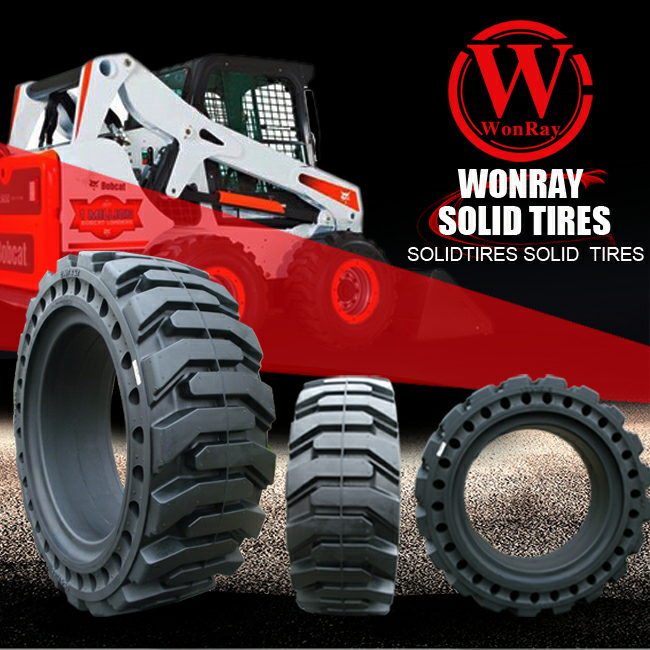
Solid tractor tires are designed as a single-piece, airless tire made from heavy-duty rubber compounds. Unlike pneumatic tires, they do not rely on air pressure for performance. This design makes them highly resistant to punctures, cuts, and wear caused by rough or uneven terrain. Solid tractor tires are particularly suited for environments where traditional tires are prone to frequent damage, such as rocky fields, construction sites, and industrial farms.
The construction of solid tires involves layering durable rubber and sometimes steel reinforcement to provide both strength and flexibility. Their unique design ensures even weight distribution and consistent traction, which is essential for heavy machinery operating under high loads.
Types of Solid Tractor Tires
● Standard Solid Tractor Tires – General-purpose tires suitable for most farming applications, offering good traction and stability.
● Heavy-Duty Solid Tires – Reinforced for extreme workloads, capable of handling large tractors and heavy implements without deformation.
● Non-Marking Solid Tires – Ideal for indoor operations or surfaces requiring minimal scuffing, such as greenhouses or warehouse farms.
● Specialized Agricultural Tires – Designed for specific farming conditions, including wet soil, sandy terrains, or mixed industrial and agricultural use.
Key Features to Consider
When selecting solid tractor tires, B2B buyers should focus on:
● Durability – High-quality rubber compounds ensure long service life and resistance to punctures, cuts, and wear.
● Load Capacity – Tires must support the weight of the tractor and its attachments under various field conditions.
● Traction – Deep treads and aggressive patterns enhance grip on loose or uneven terrain, improving safety and efficiency.
● Shock Absorption – Some solid tires incorporate rubber blends or steel cores to minimize vibration, reducing stress on machinery and operators.
● Maintenance Requirements – Airless design reduces maintenance costs and eliminates the risk of blowouts or air leaks.
Advantages of Solid Tractor Tires
● Puncture Resistance – No air means no flats, significantly reducing downtime and operational disruptions.
● Extended Lifespan – Durable materials withstand rough conditions, resulting in fewer replacements over time.
● Cost Efficiency – Reduced maintenance and longer service life lead to lower total cost of ownership.
● Safety – Stable performance and improved traction reduce the risk of accidents on uneven or slippery surfaces.
● Environmental Benefits – Some solid tires are recyclable and made from eco-friendly rubber compounds, supporting sustainability initiatives.
Applications of Solid Tractor Tires
Solid tractor tires are widely used across various agricultural and industrial applications:
● Farming and Cultivation – Tractors equipped with solid tires can handle plowing, sowing, and harvesting on rough fields without risk of puncture.
● Construction and Industrial Agriculture – Used for heavy-duty tractors, loaders, and forklifts in demanding terrains.
● Greenhouses and Indoor Farming – Non-marking solid tires prevent surface damage while providing reliable traction.
● Forestry and Vineyard Operations – Durable tires withstand uneven ground and sharp debris, ensuring continuous operations.
● Material Handling – Used on tractors and loaders that transport heavy loads, reducing maintenance needs and increasing uptime.
Manufacturing and Quality Considerations
● Rubber Compound Selection – High-quality rubber ensures durability, flexibility, and resistance to environmental factors like UV and chemicals.
● Reinforcement Layers – Some tires include steel or synthetic reinforcements to enhance load capacity and shock absorption.
● Tread Design – Deep treads and specific patterns improve traction, reduce slippage, and enhance stability on different terrains.
● Quality Control – Rigorous testing ensures each tire meets load, durability, and traction standards for consistent performance.
For B2B buyers, selecting suppliers with advanced production technology, quality certifications, and reliable after-sales support is essential to ensure consistent tire performance across fleets and operations.
Conclusion
Solid tractor tires represent a strategic investment for modern agricultural operations. Their durability, puncture resistance, and low-maintenance performance make them a preferred choice for a wide range of applications, from conventional farming to industrial agriculture and greenhouse operations. For B2B buyers, sourcing high-quality solid tractor tires ensures operational continuity, reduces maintenance costs, and enhances safety and efficiency. Partnering with experienced suppliers who offer durable, precision-engineered, and specialized tires allows businesses to maximize productivity, reduce downtime, and support sustainable farming practices.
FAQ
1. What are solid tractor tires?
Solid tractor tires are airless tires made from durable rubber compounds, designed to resist punctures and provide stable performance under heavy loads.
2. How do solid tractor tires differ from pneumatic tires?
Unlike pneumatic tires, solid tractor tires do not require air, eliminating flats and reducing maintenance, while offering comparable traction and durability.
3. What are the main advantages of solid tractor tires for B2B operations?
They offer puncture resistance, extended lifespan, lower maintenance costs, enhanced safety, and environmental benefits, making them cost-effective for large-scale agricultural operations.
4. Where are solid tractor tires commonly used?
They are used in farming, construction, indoor greenhouse operations, vineyards, forestry, and heavy-duty material handling applications.
Post time: 08-12-2025