
In the world of industrial vehicles and material handling equipment, selecting the right tire type is crucial for operational efficiency, safety, and cost-effectiveness. The debate between solid tires vs pneumatic tires is one that every B2B operator must address when equipping forklifts, loaders, and other heavy machinery. Each tire type offers unique advantages, and understanding their differences is key to making an informed choice for your operations.
Understanding Solid Tires
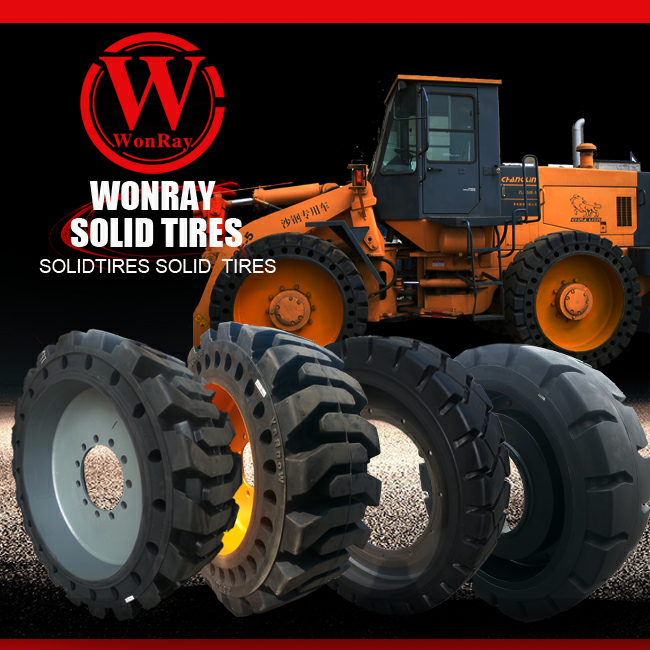
Solid tires, also known as cushion or non-pneumatic tires, are made entirely of solid rubber or a composite material without any air chambers. They are widely used in indoor and smooth surface operations such as warehouses, manufacturing plants, and ports.
Key characteristics include:
● Durability – Resistant to punctures, cuts, and sharp debris.
● Low Maintenance – No risk of air leaks or blowouts.
● High Load Capacity – Ideal for heavy equipment operating at slower speeds.
● Longevity – Typically lasts longer than pneumatic tires in controlled environments.
Solid tires provide stable, reliable performance, making them a preferred choice in high-traffic, predictable indoor environments.
Understanding Pneumatic Tires
Pneumatic tires are air-filled and offer flexibility and shock absorption. They are commonly used in outdoor, uneven terrain applications where traction and comfort are essential.
Key characteristics include:
● Shock Absorption – Inflated air cushions the load, reducing vibration.
● Improved Traction – Better grip on rough, uneven, or slippery surfaces.
● Versatility – Suitable for both indoor and outdoor operations.
● Comfort – Provides smoother rides for operators and less stress on machinery.
Pneumatic tires are ideal for dynamic environments with varying surfaces, offering a balance between durability and ride quality.
Comparing Performance: Solid Tires vs Pneumatic Tires
When evaluating solid tires vs pneumatic tires, several performance factors come into play:
● Durability and Maintenance – Solid tires outperform pneumatic tires in terms of resistance to punctures and maintenance needs. Pneumatic tires require monitoring of air pressure and occasional repairs for leaks.
● Load Capacity – Solid tires handle heavier loads at low speeds, whereas pneumatic tires perform better under moderate loads and variable terrain.
● Comfort and Vibration Reduction – Pneumatic tires provide superior shock absorption, reducing wear on machinery and operator fatigue. Solid tires are less forgiving on rough surfaces.
● Cost Considerations – Solid tires generally have a higher initial cost but longer lifespan, while pneumatic tires are less expensive initially but may incur higher maintenance costs.
● Operational Environment – Solid tires excel on smooth indoor floors, while pneumatic tires are necessary for outdoor, uneven, or challenging terrains.
The choice between solid and pneumatic tires depends heavily on your specific operational needs and the working environment.
Industrial Applications
Solid tires are best suited for:
● Warehouses and factories with smooth floors.
● High-density operations where tire damage from debris is a risk.
● Low-speed heavy machinery requiring long-lasting durability.
Pneumatic tires are ideal for:
● Outdoor construction sites and rough terrains.
● Logistics yards with uneven or slippery surfaces.
● Equipment requiring operator comfort and reduced vibration.
Many industrial operators maintain a mix of both types to suit different vehicles and applications.
Advantages for B2B Operators
Choosing the right tire type can directly impact business efficiency and costs:
● Reduced Downtime – Solid tires minimize emergency replacements due to punctures.
● Operational Safety – Pneumatic tires provide better traction and shock absorption, reducing accident risks.
● Cost Efficiency – Selecting the appropriate tire type for the right environment lowers total operational costs.
● Equipment Longevity – Proper tires reduce wear and tear on machinery, prolonging asset life.
● Flexibility in Fleet Management – Maintaining both solid and pneumatic tires allows adaptation to varied operational needs.
B2B companies can achieve safer, more efficient operations by understanding the differences and selecting the right tire type for each vehicle.
Future Trends in Industrial Tires
The industrial tire industry is evolving, introducing innovations that enhance both solid and pneumatic tires:
● Smart Tire Technology – Sensors embedded in tires monitor wear, temperature, and load, optimizing maintenance schedules.
● Eco-Friendly Materials – New rubber compounds improve durability while reducing environmental impact.
● Hybrid Designs – Combining the benefits of solid and pneumatic tires for specific industrial needs.
● Customized Solutions – Tailored tires for heavy-duty vehicles, specific terrains, and specialized operations.
These trends indicate a future where tire selection can further enhance safety, efficiency, and cost-effectiveness for industrial fleets.
Conclusion
Solid tires vs pneumatic tires each offer distinct advantages depending on the industrial environment, operational needs, and vehicle type. Solid tires provide unparalleled durability, low maintenance, and long lifespan in controlled indoor environments, while pneumatic tires excel in outdoor, uneven terrains with superior shock absorption and traction. For B2B operators, understanding these differences is crucial to optimize safety, reduce costs, and improve operational efficiency. Strategic tire selection is a key factor in maximizing productivity and protecting both assets and personnel.
FAQ
Q1: What is the main difference between solid and pneumatic tires?
A1: Solid tires are made of solid rubber and resist punctures, while pneumatic tires are air-filled and provide better shock absorption and traction.
Q2: Which tire is better for indoor warehouses?
A2: Solid tires are ideal for smooth indoor floors due to their durability and low maintenance requirements.
Q3: Can pneumatic tires handle rough outdoor terrain?
A3: Yes. Pneumatic tires excel on uneven surfaces, providing better traction and operator comfort.
Q4: How do B2B operators decide which tire type to use?
A4: Operators should consider the operational environment, load requirements, vehicle type, and maintenance capabilities to choose between solid and pneumatic tires.
Post time: 05-02-2026