
Solid tires are increasingly recognized as the leading eco-friendly option for modern industries. Combining durability, low maintenance, and sustainability, these tires are transforming industrial operations and logistics. From warehouses and factories to construction sites, solid tires provide a reliable and environmentally responsible solution. This article explores the features, advantages, and environmental impact of solid tires, illustrating why they are the ideal choice for businesses committed to sustainability and operational efficiency.
Understanding Solid Tires
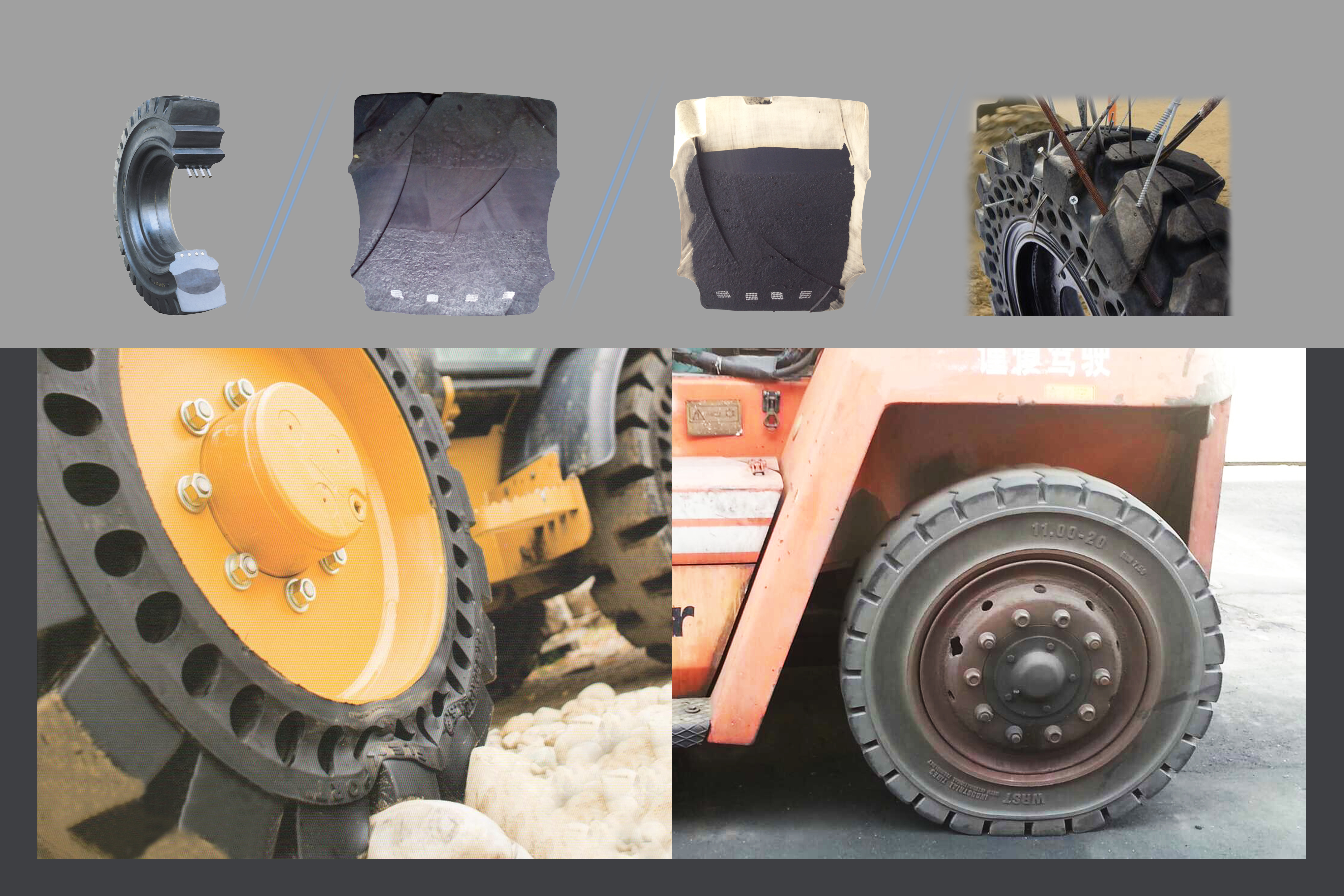
Solid tires, also called flat-proof or resilient tires, are constructed entirely from solid rubber compounds. Unlike traditional pneumatic tires, which rely on air pressure for support, solid tires contain no air-filled cavities. This makes them inherently puncture-resistant and virtually maintenance-free. They are commonly used in industrial applications such as forklifts, skid-steer loaders, automated guided vehicles (AGVs), and other heavy-duty machinery.
The solid design ensures consistent performance under demanding conditions. They can withstand rough surfaces, sharp objects, and extreme weights without compromising stability or safety. Additionally, solid tires offer predictable traction, making them suitable for indoor and outdoor applications.
Advantages of Solid Tires
Durability and Longevity
Solid tires are renowned for their long service life. The robust rubber compounds resist punctures, cuts, and uneven wear, making them ideal for environments where traditional pneumatic tires would fail. Industries that rely on continuous operation, such as manufacturing plants or distribution centers, benefit from reduced tire replacement frequency and lower overall operational costs.
Low Maintenance
One of the most compelling advantages of solid tires is their minimal maintenance requirements. Unlike pneumatic tires, they do not need inflation or pressure monitoring. This eliminates downtime caused by flats, blowouts, or air leaks, enhancing productivity. Furthermore, solid tires reduce labor costs associated with frequent inspections and repairs.
Environmental Sustainability
Solid tires contribute significantly to environmental conservation. Their extended lifespan reduces the volume of discarded tires, helping to decrease landfill waste. Many manufacturers also use eco-friendly rubber compounds and production processes, further minimizing the environmental footprint. By adopting solid tires, businesses actively support sustainable operations while reducing costs related to waste management.
Solid Tires vs. Pneumatic Tires
|
Tire Type |
Durability |
Maintenance |
Environmental Impact |
| Solid Tires | High | Low | Eco-friendly |
| Pneumatic Tires | Moderate | Requires regular air pressure checks | Tire waste concerns |
The comparison demonstrates why solid tires are superior for industrial applications. Their durability and low maintenance reduce operational interruptions, and their eco-friendly design aligns with sustainability initiatives.
Why Modern Industries Choose Solid Tires
Industries are increasingly integrating sustainability into their operational strategies. Solid tires help businesses achieve these goals in several ways:
● Reduced Carbon Footprint: Solid tires typically provide lower rolling resistance compared to pneumatic tires under heavy loads, which can improve fuel efficiency for material handling vehicles and industrial machinery. This leads to lower carbon emissions, contributing to greener operations.
● Waste Reduction: By lasting significantly longer than pneumatic tires, solid tires reduce the number of tires discarded annually. Their longevity supports a circular economy approach where fewer resources are consumed, and less waste is generated.
● Consistent Performance: Unlike pneumatic tires that can lose pressure and suffer punctures, solid tires maintain consistent performance. This reliability is crucial for high-density warehouse operations, automated logistics, and construction environments.
● Enhanced Safety: Solid tires eliminate the risk of sudden blowouts, reducing workplace accidents and equipment downtime. Safe, reliable tires are essential for industrial environments where operational continuity is a priority.
Applications Across Industries
Warehousing and Logistics
Solid tires are commonly used on forklifts, pallet jacks, and AGVs in warehouses and distribution centers. Their durability ensures uninterrupted operation in high-traffic areas, while their flat-proof nature eliminates downtime due to tire failure.
Manufacturing
In manufacturing facilities, solid tires on heavy machinery or transport equipment help maintain stable and predictable operations. Reduced maintenance requirements also free up labor resources for other production activities.
Construction
Solid tires are ideal for construction vehicles operating on rough terrain, such as skid-steer loaders, mini-excavators, and telehandlers. Their puncture resistance ensures consistent performance on uneven, debris-filled surfaces.
Automotive and Industrial Maintenance
Industrial maintenance equipment equipped with solid tires experiences fewer interruptions and lower maintenance costs. This contributes to efficient plant operations and minimizes downtime.
Choosing the Right Solid Tires
Selecting the most suitable solid tires involves several key considerations:
● Load Capacity: Ensure the tire can support the maximum weight of the equipment. Overloading can reduce performance and lifespan.
● Tread Design: Tread patterns should align with the operating environment to optimize traction and safety.
● Rubber Compound: Different compounds perform better under specific conditions, such as extreme temperatures, chemical exposure, or abrasive surfaces.
● Size and Fit: Proper sizing ensures stable operation and prevents unnecessary wear.
● Brand and Manufacturer: Reputable brands provide higher quality, durability, and compliance with safety standards.
By carefully evaluating these factors, businesses can select solid tires that maximize efficiency, reduce downtime, and minimize environmental impact.
Conclusion
Solid tires have emerged as the eco-friendly choice for modern industries, offering a combination of durability, low maintenance, and sustainability. Their extended lifespan reduces waste, while their puncture-resistant design ensures operational continuity. Industries that invest in high-quality solid tires benefit from enhanced safety, lower operational costs, and a smaller environmental footprint.
By transitioning to solid tires, companies can align with global sustainability trends, achieve operational efficiency, and enhance workplace safety. Solid tires represent a strategic investment for businesses seeking long-term performance, cost savings, and eco-conscious operations.
FAQ
Q1: How do solid tires contribute to sustainability?
A: Solid tires last longer than pneumatic tires, reducing waste and landfill contributions. Many are made with eco-friendly rubber, further lowering environmental impact.
Q2: Are solid tires suitable for all industrial vehicles?
A: They are ideal for forklifts, AGVs, skid-steer loaders, and other industrial machinery, especially in high-density or rough-surface environments.
Q3: Do solid tires require maintenance?
A: Minimal maintenance is needed compared to pneumatic tires since they do not require inflation or regular pressure checks.
Q4: Can solid tires improve operational efficiency?
A: Yes. Their durability, puncture resistance, and low maintenance reduce downtime, supporting smoother and more efficient industrial operations.
Post time: 15-12-2025