
Introduction
In modern industrial environments, efficiency, safety, and reliability are non-negotiable. High-density industrial operations—such as logistics centers, manufacturing plants, ports, and construction sites—require equipment that can operate continuously under heavy loads and demanding conditions. Tires play a critical role in equipment performance, safety, and long-term operational costs. Solid tires have emerged as the ideal solution for high-density operations due to their durability, stability, and low maintenance requirements. This article explores the advantages of solid tires in high-density industrial settings and explains why they are the preferred choice for demanding work environments.
Features of Solid Tires
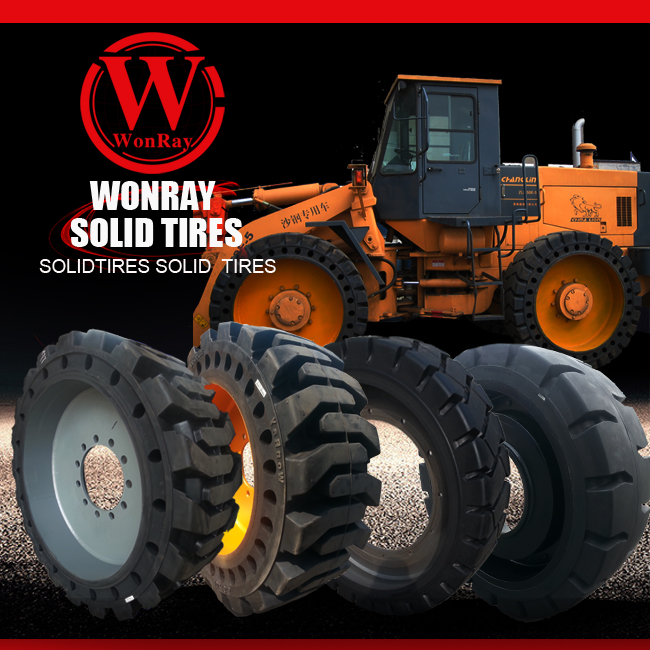
Solid tires, also known as non-pneumatic tires, are made of high-density rubber or polyurethane materials. Unlike traditional pneumatic tires, they do not rely on air pressure to support loads. The main features of solid tires include:
● Puncture Resistance: Their solid construction eliminates the risk of punctures from sharp debris or objects on the ground.
● High Load Capacity: Solid tires can support heavy industrial vehicles and trailers, ensuring stable performance in high-density operations.
● Low Maintenance: No frequent inflation or air pressure checks are required, reducing maintenance workload and downtime.
● Wear Resistance: Made of durable rubber, solid tires withstand continuous operation and harsh surfaces.
● High Stability: Solid tires provide reliable handling and load support, reducing the risk of accidents in busy industrial environments.
Advantages of Solid Tires
In high-density industrial operations, solid tires provide clear benefits that enhance equipment performance and operational efficiency:
● Exceptional Durability: Solid tires can withstand frequent use and heavy loads, reducing the frequency of tire replacements and lowering long-term costs.
● Improved Operational Stability: Their rigid structure maintains balance even under full load or during turning, minimizing the risk of tipping or load shifting.
● Reduced Maintenance Costs: Compared to pneumatic tires that require regular inflation and inspections, solid tires demand minimal upkeep, ensuring higher equipment availability.
● Enhanced Safety: Stable load support and puncture resistance decrease the likelihood of industrial accidents, protecting personnel and machinery.
● Long-Term Cost Efficiency: While the initial investment may be higher, the extended service life and low maintenance needs result in significant long-term savings.
Applications in High-Density Industrial Operations
Solid tires are widely used in industrial scenarios where vehicles operate continuously and under heavy loads:
● Warehouse and Logistics: Forklifts, stackers, and transport vehicles operating in narrow aisles require durable and stable tires.
● Ports and Cargo Handling: Container movers and trailers carry heavy loads, and solid tires ensure uninterrupted operation.
● Manufacturing Facilities: Automated guided vehicles and industrial transporters can operate continuously without tire failures.
● Construction and Mining Sites: Sites often contain sharp debris and uneven surfaces, making puncture-resistant tires essential.
● Recycling and Waste Management: Handling sharp or abrasive materials requires robust and durable tires.
Usage Considerations
Although solid tires perform exceptionally, certain factors should be considered:
● Load Distribution: Ensure the load is evenly distributed to prevent excessive stress on a single tire and extend tire life.
● Speed Control: Solid tires are relatively rigid, so moderate speed is recommended to minimize impact on equipment and surfaces.
● Regular Inspection: Despite low maintenance requirements, periodic checks for wear or cracks are advised to detect potential issues early.
● Environment Compatibility: Select tires suitable for the ground surface and operating environment to maximize performance benefits.
Why Choose Solid Tires
Choosing solid tires in high-density industrial operations is not just about durability or low maintenance—it is about ensuring overall operational efficiency and safety. Unlike pneumatic tires, solid tires withstand higher operational frequency and heavier loads without risk of sudden failure, minimizing downtime and operational disruptions.
Additionally, their long lifespan and minimal maintenance reduce operational costs, making them a cost-effective choice for industrial operations that prioritize productivity, safety, and sustainability.
Conclusion
Solid tires offer unmatched durability, stability, and low maintenance, making them essential for high-density industrial operations. They provide reliable performance under continuous operation, heavy loads, and challenging conditions, maximizing equipment uptime, safety, and long-term cost savings.
For industries focused on efficiency, safety, and equipment reliability, investing in high-quality solid tires is a strategic decision. By selecting the right tire type and material, industrial vehicles can achieve optimal performance and extended service life in high-density operational environments.
Post time: 21-01-2026