
In the construction industry, heavy-duty machinery plays a critical role in completing projects efficiently. One of the often-overlooked yet essential components of construction vehicles is their tires. Solid tires, in particular, have become increasingly popular due to their durability, stability, and low maintenance requirements. This article explores the importance of solid tires, their advantages, selection tips, and maintenance practices to help construction operators maximize the performance and longevity of their equipment.
Understanding Solid Tires
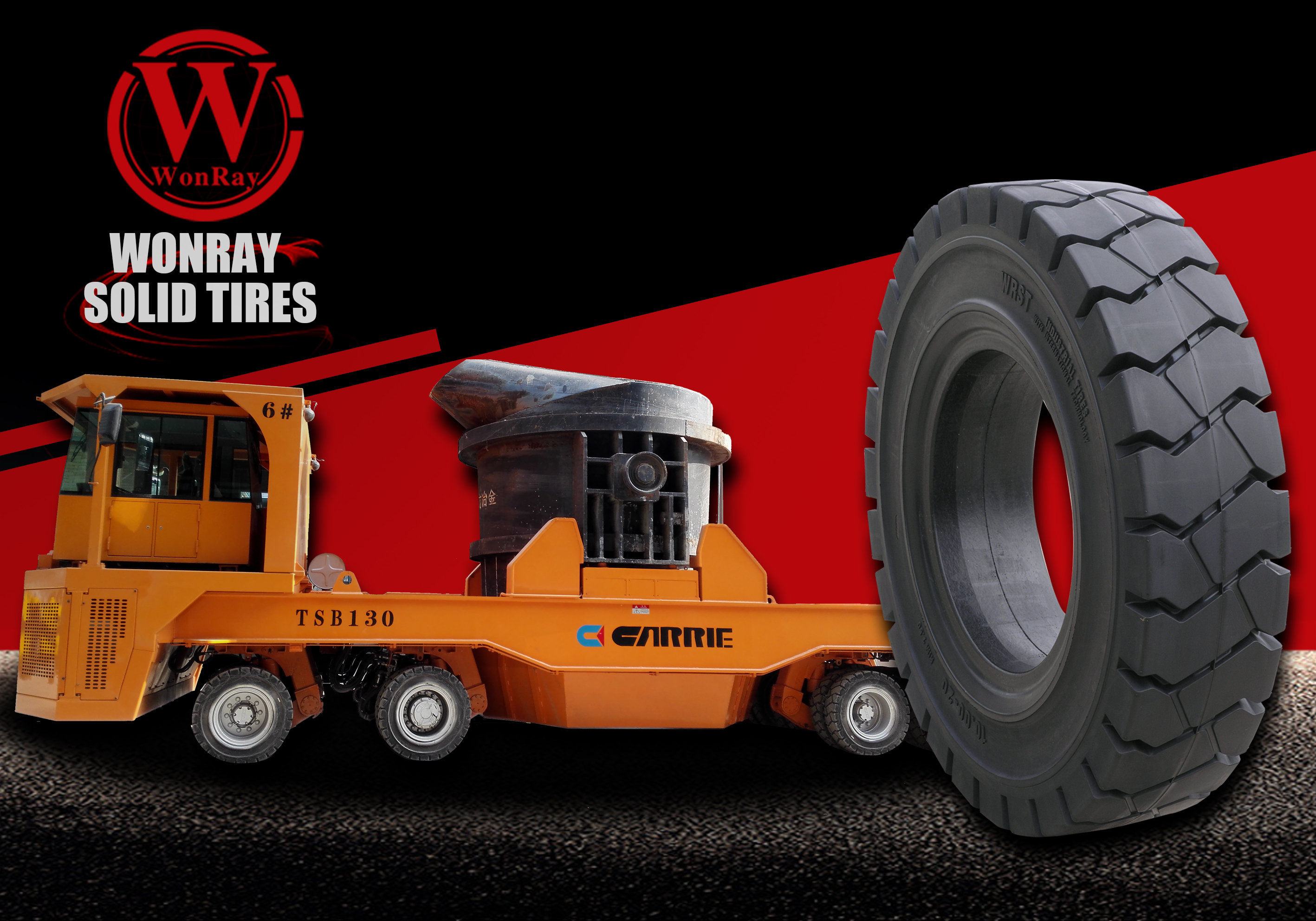
Solid tires, also referred to as solid resilient tires, are made entirely of rubber compounds without air-filled cavities, unlike traditional pneumatic tires. This unique design allows them to withstand harsh working conditions and carry heavy loads without the risk of punctures or blowouts. Solid tires are widely used on excavators, loaders, forklifts, and dump trucks operating on rough terrain or construction sites with sharp debris and uneven surfaces.
Key features of solid tires include:
● Puncture resistance and extreme durability
● Stable performance in rugged environments
● Minimal maintenance requirements
● Long service life, reducing replacement frequency
Benefits of Solid Tires for Construction Vehicles
Solid tires offer several advantages that make them indispensable for heavy machinery:
● Durability: Solid tires can withstand sharp objects, heavy loads, and abrasive surfaces, reducing the risk of flats and vehicle downtime.
● Low Maintenance: Unlike pneumatic tires, solid tires do not require regular inflation checks or air pressure monitoring, lowering operational costs.
● Extended Lifespan: Their robust construction ensures that solid tires last significantly longer than standard pneumatic tires, providing long-term cost savings.
● Improved Stability: Solid tires enhance traction and stability, improving vehicle handling on uneven and challenging terrains.
Tips for Choosing the Right Solid Tires
Selecting the correct solid tires for construction vehicles is crucial for maximizing performance and safety. Consider the following factors when making a choice:
● Load Capacity: Ensure the tires can support both the vehicle’s weight and the loads it carries.
● Tread Design: Choose tread patterns suitable for the specific terrain conditions encountered on your job sites.
● Size Compatibility: Verify that the tire size matches the vehicle’s specifications for proper operation.
● Operating Conditions: Select tires that are designed to withstand the environmental conditions, such as extreme temperatures, moisture, and abrasive surfaces.
Maintaining Solid Tires
Proper maintenance is essential for prolonging the life of solid tires and ensuring optimal performance. Recommended practices include:
● Regular Inspections: Check for cracks, cuts, or abnormal wear.
● Proper Cleaning: Remove mud, stones, and debris that may damage the tire surface.
● Rotation: Rotate tires periodically to ensure even wear.
● Balanced Loads: Avoid overloading vehicles to prevent excessive stress on tires.
● Safe Driving Practices: Minimize sharp turns and sudden stops to reduce strain on tires.
Tips for Extending Solid Tire Lifespan
Beyond maintenance, following specific operational guidelines can significantly extend the life of solid tires:
● Avoid excessive speed and abrupt maneuvers.
● Store spare tires in a dry, shaded environment away from direct sunlight and harsh chemicals.
● Monitor weight distribution and prevent uneven load placements.
● Use appropriate equipment for terrain-specific tasks to reduce unnecessary wear.
Comparison of Solid Tires vs. Pneumatic Tires
Solid tires often outperform pneumatic tires in construction environments. Some key differences include:
● Durability: Solid tires offer higher resistance to punctures and abrasions.
● Maintenance: Solid tires require minimal maintenance, whereas pneumatic tires need regular inflation checks.
● Lifespan: Solid tires generally last longer, providing cost savings over time.
● Stability: Solid tires provide better traction and handling on rough surfaces.
Conclusion
In conclusion, solid tires are a vital investment for construction vehicles operating in demanding environments. Their durability, low maintenance, and enhanced stability make them an ideal choice for machinery frequently exposed to sharp debris, heavy loads, and uneven terrain. By selecting the right tires, following proper maintenance practices, and adhering to operational guidelines, construction companies can optimize equipment performance, reduce downtime, and achieve long-term cost savings.
FAQ
Q: Are solid tires suitable for all types of construction vehicles?
A: Solid tires are ideal for vehicles operating in rough environments, such as excavators, loaders, and dump trucks. However, for vehicles that travel long distances on highways, pneumatic tires may be more suitable.
Q: Do solid tires require inflation like pneumatic tires?
A: No, solid tires do not have air cavities and therefore do not require inflation. This eliminates the risk of punctures and significantly reduces maintenance requirements.
Q: How much longer do solid tires last compared to pneumatic tires?
A: Solid tires typically last 2 to 5 times longer than pneumatic tires, depending on load, terrain, and usage conditions.
Q: How can I determine if solid tires are suitable for my job site?
A: Consider the weight of the vehicle, the type of terrain, and the frequency of use. Vehicles operating on rocky, muddy, or debris-laden surfaces are excellent candidates for solid tires.
Post time: 18-12-2025