
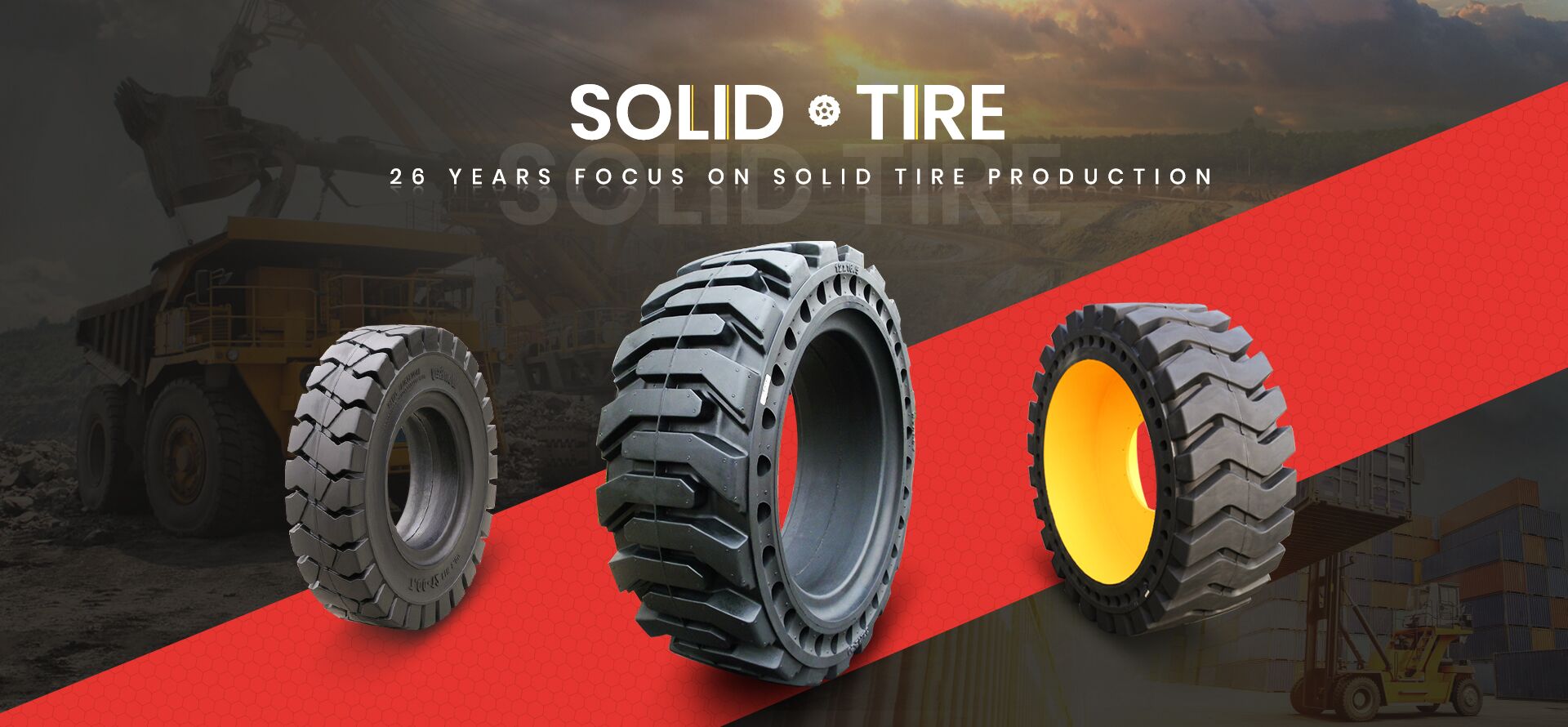
Solid tires are increasingly recognized as a durable and versatile solution for a wide range of vehicles, including forklifts, skid steers, industrial equipment, and warehouse machinery. Unlike pneumatic tires, solid tires are made of solid rubber compounds, which make them puncture-resistant and highly durable. Proper maintenance of solid tires is critical, not only to extend their lifespan but also to ensure vehicle safety, performance, and efficiency. This article provides comprehensive maintenance tips and practical advice for maximizing the longevity and reliability of solid tires in demanding industrial environments.
Regular Cleaning and Inspection
Maintaining solid tires begins with routine cleaning and inspection. Debris such as rocks, metal shards, glass, and other foreign objects can become lodged in the tire surface. Although solid tires are puncture-resistant, accumulated debris can cause surface damage or uneven wear over time.
Key tips for cleaning and inspection:
● Remove dirt and debris after each work shift to prevent abrasion.
● Inspect the tire tread for cuts, cracks, bulges, or uneven wear patterns.
● Check sidewalls for signs of damage or chemical corrosion, especially in harsh environments like warehouses or construction sites.
● Ensure that rims and hubs are free of rust or debris that may affect tire performance.
Q: What are some signs that indicate solid tires need cleaning or inspection?
A: Signs such as uneven wear, visible cuts, bulges, or embedded objects on the tire surface indicate the need for immediate cleaning and inspection. Prompt action can prevent damage and extend tire life.
Tire Pressure Monitoring
Although solid tires do not rely on air pressure like pneumatic tires, some heavy-duty industrial equipment uses hybrid solid tires with semi-inflated cores. In such cases, monitoring tire pressure ensures optimal performance and stability.
Key considerations:
● Ensure proper inflation if hybrid solid tires are used, following manufacturer guidelines.
● Monitor for abnormal load stress that could accelerate wear on solid tires.
● Avoid overloading vehicles, as excessive weight can damage the tire compound and reduce lifespan.
Q: How often should tire pressure be checked for solid tires?
A: For hybrid solid tires, pressure should be checked at least once a month or more frequently under heavy usage. Fully solid tires require monitoring for load stress and wear patterns.
Tire Rotation and Balancing
Regular rotation and balancing of solid tires helps distribute wear evenly, reducing the risk of uneven tread patterns and premature replacement. Balanced tires also minimize vibrations and improve vehicle stability, especially in forklifts and industrial vehicles operating on hard floors or uneven surfaces.
Recommended practices:
● Rotate tires according to manufacturer specifications, which may vary based on vehicle type and tire positioning.
● Ensure that the vehicle is lifted safely before rotating tires to prevent damage or injury.
● Balance tires to reduce vibrations, improve operator comfort, and enhance equipment performance.
Q: What is the recommended tire rotation pattern for solid tires?
A: Tire rotation patterns depend on vehicle type and tire configuration. Consulting the manufacturer’s guidelines ensures optimal rotation and wear distribution.
Proper Storage of Solid Tires
Correct storage is crucial when solid tires are not in use. Environmental factors such as sunlight, extreme temperatures, and chemicals can degrade rubber compounds over time.
Storage best practices:
● Store tires upright to maintain shape and structural integrity.
● Keep them in a clean, dry, and cool environment away from direct sunlight.
● Avoid stacking heavy objects on stored tires to prevent deformation.
● Use tire covers or protective wraps to shield tires from dust and moisture.
Q: How should solid tires be stored for long periods?
A: Solid tires should be stored upright in a cool, dry area with minimal exposure to sunlight and extreme temperatures. Protective covers further safeguard against environmental damage.
Maintenance Checklist for Solid Tires
A consistent maintenance routine can maximize the longevity of solid tires. Below is a simple checklist for industrial operators:
| Task | Frequency |
|---|---|
| Cleaning and Inspection | Regularly, ideally after each shift |
| Tire Pressure Check | Monthly or per manufacturer guidance |
| Tire Rotation | As recommended by the manufacturer |
| Proper Storage | When not in use or during seasonal shutdowns |
Following this checklist helps maintain tire performance, reduces operational downtime, and enhances workplace safety.
Extended Tips for Industrial Applications
-
Load Management: Ensure that forklift and industrial vehicle loads do not exceed tire load ratings to prevent premature wear.
-
Surface Considerations: For abrasive surfaces, select tires with wear-resistant compounds and consider specialized tread designs for improved traction.
-
Temperature Monitoring: Avoid prolonged exposure to extreme heat, which can accelerate rubber degradation.
-
Periodic Professional Inspection: For fleets with heavy usage, engage tire specialists for detailed inspection and professional maintenance.
These additional measures further optimize the performance of solid tires in demanding operational environments.
Conclusion
Proper maintenance of solid tires is essential to maximize their lifespan, maintain safety, and enhance operational efficiency. By implementing regular cleaning, inspection, tire rotation, proper storage, and load management, businesses can significantly reduce downtime, prevent unexpected failures, and save on long-term costs. A structured maintenance schedule, coupled with professional guidance and quality tire selection, ensures that forklifts and industrial vehicles operate reliably and efficiently.
Investing in high-quality solid tires and following these practical maintenance strategies is a cost-effective approach to enhancing the performance of industrial fleets while ensuring worker safety and productivity.
Product Selection Recommendations
When selecting solid tires, consider the following:
● Choose reputable manufacturers with proven quality and warranty support.
● Select tires suited to your operational environment—smooth floors, abrasive surfaces, or mixed conditions.
● Evaluate tire compound, tread design, and load capacity to ensure suitability for specific vehicles.
● Consider long-term cost savings and durability in addition to initial purchase price.
By carefully choosing tires and maintaining them properly, businesses can achieve maximum value, efficiency, and operational safety.
FAQ
Q: Are solid tires suitable for all types of forklifts and industrial vehicles?
A: Yes, solid tires are versatile and compatible with electric, diesel, and LPG forklifts, as well as other industrial vehicles.
Q: How do solid tires improve safety?
A: They eliminate punctures and blowouts, reducing the risk of accidents and downtime.
Q: How long do solid tires typically last compared to pneumatic tires?
A: Solid tires usually last 3–5 times longer than standard pneumatic tires under similar conditions.
Q: Is specialized maintenance required for solid tires?
A: Minimal maintenance is needed, but routine inspection, cleaning, and load management help maximize performance and lifespan.
Post time: 17-12-2025