
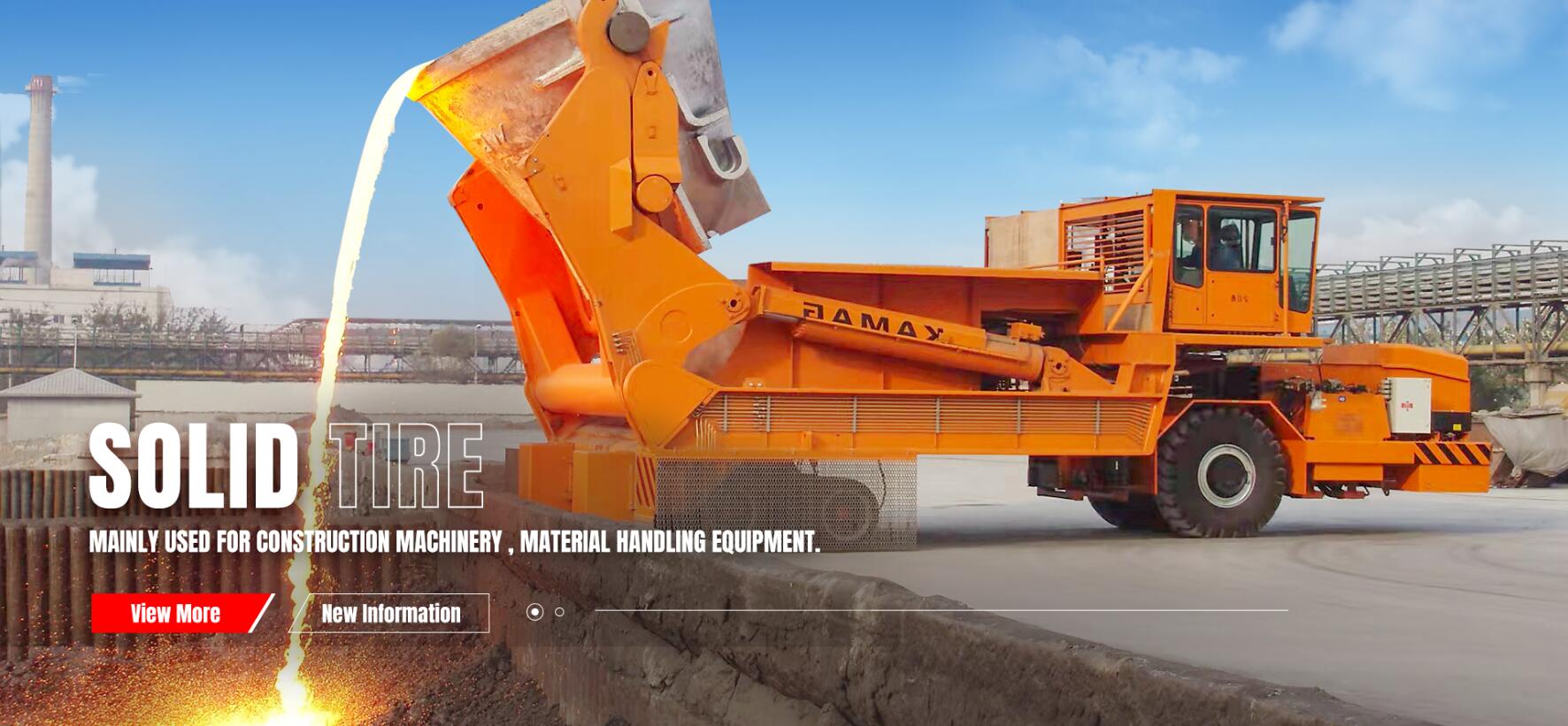
Solid tires play a vital role in the metallurgical industry, where heavy machinery and vehicles operate under extreme conditions. From transporting molten metals to moving heavy steel coils, industrial vehicles require tires that can withstand high loads, rough surfaces, and continuous operation. Solid Tires for Metallurgical Industry offer unmatched durability, safety, and performance, making them the preferred choice for heavy-duty applications in steel plants, foundries, and metal processing facilities.
What Are Solid Tires?
Solid tires, also known as non-pneumatic tires, are made from solid rubber or polyurethane materials. Unlike traditional pneumatic tires that contain air, solid tires are completely solid, which makes them resistant to punctures, cuts, and blowouts. This construction ensures that vehicles can operate continuously in high-demand environments without the risk of sudden tire failure. In metallurgical facilities, where the working environment is harsh and the equipment carries extremely heavy loads, solid tires provide the reliability and stability required for safe operations.
Key Benefits of Solid Tires For Metallurgical Industry
1. Extreme Durability and Longevity
The metallurgical industry involves transporting heavy and abrasive materials, which can quickly wear down ordinary tires. Solid tires are highly durable, resistant to cuts, abrasions, and punctures. Their robust construction ensures a longer lifespan compared to pneumatic tires, reducing the frequency of replacements and maintenance interruptions.
2. High Load-Bearing Capacity
Solid tires are designed to support heavy machinery, such as forklifts, overhead cranes, and trolleys used in metal handling. Their ability to handle extreme loads without deformation ensures operational efficiency and prevents costly downtime due to tire failure.
3. Enhanced Stability and Safety
The solid rubber construction of these tires provides superior stability, which is crucial in metallurgical plants where vehicles operate on uneven or sometimes slippery surfaces. Enhanced stability reduces the risk of accidents and ensures smooth movement of heavy materials, protecting both operators and valuable equipment.
4. Minimal Maintenance Requirements
Unlike pneumatic tires, solid tires do not require inflation, pressure checks, or repairs for punctures. This reduces maintenance time and costs, allowing industrial vehicles to operate for longer periods without interruption. For metallurgical operations that cannot afford downtime, this benefit is invaluable.
5. Consistent Performance Under Extreme Conditions
In metal plants, high temperatures, sparks, and abrasive debris can damage ordinary tires. Solid tires are engineered to resist extreme heat, chemical exposure, and sharp debris, maintaining performance in harsh industrial environments.
6. Cost-Effectiveness Over Time
Although the initial cost of solid tires may be higher than pneumatic tires, their longevity, low maintenance, and durability make them cost-effective over time. Fewer replacements and less maintenance translate to lower overall operational costs for metallurgical facilities.
7. Improved Traction on Industrial Surfaces
Solid tires provide excellent traction on smooth, rough, or oily surfaces commonly found in metallurgical environments. Enhanced grip ensures vehicles can safely move heavy loads without slipping, contributing to overall operational efficiency.
8. Environmental Advantages
With their extended lifespan and low maintenance requirements, solid tires reduce waste generated by frequent replacements. Using solid tires in metallurgical plants supports sustainability initiatives and reduces environmental impact.
9. Resistance to Abrasions and Chemicals
Metalworking environments often involve exposure to sharp metal fragments, oils, and chemicals. Solid tires are highly resistant to such conditions, ensuring they maintain integrity and performance over long periods.
10. Versatility Across Industrial Vehicles
Solid tires are suitable for forklifts, industrial trolleys, stackers, and other vehicles commonly used in the metallurgical industry. Their adaptability makes them a versatile choice for various applications, from steel coil transport to raw material handling.
Conclusion
Solid tires for the metallurgical industry provide unmatched durability, safety, and operational efficiency. By investing in high-quality solid tires, metallurgical plants can reduce downtime, lower maintenance costs, and improve productivity. The ability to handle heavy loads, resist extreme conditions, and maintain stability ensures that industrial vehicles can operate safely and efficiently in demanding environments.
Product Selection Recommendations
When selecting solid tires for metallurgical vehicles, consider factors such as load capacity, operating temperature, wheel size, and resistance to abrasion. Reputable manufacturers offer solid tires specifically designed for high-heat and heavy-load environments. Consulting with a trusted tire supplier ensures that you choose the most suitable tires for your facility’s operational requirements.
FAQ
Q1: Are solid tires suitable for all metallurgical vehicles?
A1: Yes, they can be used on forklifts, trolleys, overhead cranes, stackers, and other industrial vehicles that handle heavy loads in metallurgical environments.
Q2: How do solid tires perform under high temperatures?
A2: Solid tires are engineered to withstand high temperatures and resist heat-related damage, making them ideal for foundries and steel processing plants.
Q3: Do solid tires require maintenance like pneumatic tires?
A3: No, solid tires are virtually maintenance-free, as they do not need air inflation or frequent puncture repairs.
Q4: Are solid tires cost-effective for metallurgical plants?
A4: Yes, despite a higher initial investment, their long lifespan and low maintenance make them more cost-effective than pneumatic tires in the long run.
Q5: Can solid tires handle abrasive or oily surfaces?
A5: Absolutely. Solid tires are designed for industrial surfaces, providing excellent traction even on abrasive or slippery floors common in metallurgical operations.
Post time: 26-01-2026