
In the metallurgical industry, equipment reliability, safety, and operational efficiency are critical to maintaining productivity and reducing downtime. Among the numerous components that contribute to smooth operations, tires often play an underestimated yet pivotal role. Solid tires for metallurgical industry applications are specifically engineered to withstand extreme heat, heavy loads, and abrasive surfaces, ensuring that industrial vehicles and machinery operate reliably in harsh environments. For B2B operators, understanding the advantages of solid tires in metallurgy can lead to better procurement decisions, longer equipment lifespan, and optimized operational efficiency.
Why Solid Tires Are Essential in the Metallurgical Industry
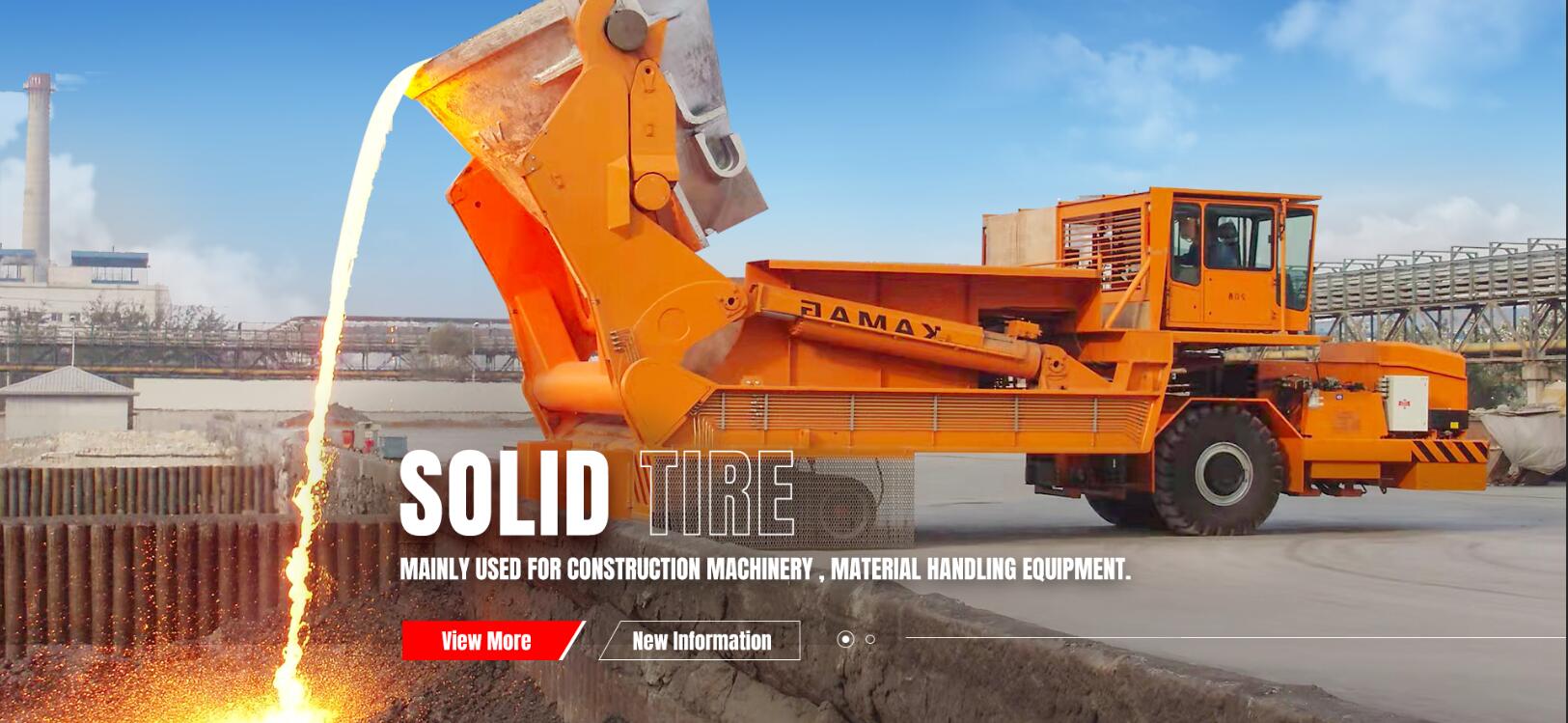
Metallurgical operations, including steel manufacturing, foundries, and metal processing plants, present unique challenges for industrial vehicles. These environments often involve high temperatures, molten metal spills, heavy loads, and abrasive surfaces that can quickly degrade traditional pneumatic tires. Solid tires are fully constructed from durable rubber compounds, offering puncture resistance, high load-bearing capacity, and consistent performance under extreme conditions.
Key benefits of using solid tires in metallurgical operations include:
● Resistance to Punctures and Abrasion – Solid rubber construction prevents downtime caused by flats or cuts, even in debris-heavy environments.
● High Load Capacity – Solid tires maintain stability and support extremely heavy equipment, crucial for handling molten metals and large steel products.
● Temperature Resistance – Specialized rubber compounds can withstand the elevated temperatures common in steel plants and foundries.
● Longevity and Cost Efficiency – Reduced maintenance and extended tire life translate into lower total cost of ownership.
Key Features of Solid Tires for Metallurgical Applications
When selecting solid tires for industrial vehicles in metallurgical settings, several features ensure optimal performance:
● Durable Rubber Compound – Formulated to resist abrasion, high temperatures, and chemical exposure.
● Reinforced Sidewalls – Prevent deformation under heavy lateral loads, ensuring stability on uneven or rough surfaces.
● High-Traction Tread Design – Provides secure grip on slippery, oily, or metal-laden surfaces, improving operational safety.
● Uniform Load Distribution – Maintains consistent contact with the ground, reducing strain on equipment and attachments.
● Low Maintenance Requirements – No need for air pressure monitoring or puncture repairs, minimizing labor costs and downtime.
These characteristics make solid tires indispensable for forklifts, industrial trucks, and other heavy-duty vehicles operating in metallurgical environments.
Advantages of Solid Tires in Metallurgical Operations
Investing in high-quality solid tires tailored for metallurgical applications provides measurable operational advantages:
● Enhanced Equipment Reliability – Puncture-resistant and durable tires reduce unexpected downtime, keeping production lines running efficiently.
● Improved Safety – High-traction treads and stable sidewalls minimize the risk of accidents and improve operator confidence.
● Optimized Productivity – Vehicles with reliable tires can handle heavier loads at consistent speeds, increasing overall throughput.
● Lower Operational Costs – Extended tire life and minimal maintenance reduce replacement frequency, labor costs, and inventory needs.
● Adaptability to Harsh Environments – Solid tires perform reliably on abrasive floors, oily surfaces, and near high-temperature areas.
Applications of Solid Tires in the Metallurgical Industry
Solid tires are widely used across various sectors within the metallurgical industry, such as:
● Steel Mills – For forklifts and heavy-duty material handling vehicles transporting steel slabs, coils, or billets.
● Foundries – For industrial trucks moving molten metals or finished castings, where puncture resistance and heat tolerance are critical.
● Rolling Mills – For equipment navigating abrasive surfaces with constant contact with steel products.
● Metal Fabrication Facilities – For warehouse operations involving raw metal sheets, scrap handling, and heavy machinery.
By selecting tires specifically engineered for these challenging applications, companies ensure safer, more reliable, and cost-effective operations.
Factors to Consider When Choosing Solid Tires
To maximize the performance of solid tires in metallurgical environments, B2B operators should consider:
● Load Capacity – Ensure tires can support the maximum weight of vehicles and their operational payload.
● Tread Pattern – Match tread design to operational surfaces; aggressive treads for outdoor or abrasive floors, smoother treads for indoor operations.
● Material Composition – Choose rubber compounds resistant to heat, chemicals, and abrasion.
● Sidewall Reinforcement – Reinforced walls maintain stability during lateral stress and high-load turns.
● Compatibility – Tires must fit existing rims and equipment specifications to ensure safety and performance.
Conclusion
Solid tires for metallurgical industry applications are a strategic investment for B2B operators aiming to improve safety, reduce downtime, and enhance operational efficiency. Their durability, high load-bearing capacity, and resistance to harsh conditions make them ideal for forklifts, industrial trucks, and other heavy-duty vehicles in steel plants, foundries, and metal processing facilities. By selecting high-quality solid tires, companies can optimize productivity, lower maintenance costs, and ensure consistent performance in even the most demanding metallurgical environments.
FAQ
Q1: Why are solid tires preferred over pneumatic tires in metallurgical environments?
A: Solid tires are puncture-resistant, durable, and maintenance-free, making them ideal for environments with heavy loads, debris, and high temperatures.
Q2: Can solid tires handle high-temperature conditions in steel plants?
A: Yes, tires designed for the metallurgical industry use specialized rubber compounds that tolerate elevated temperatures without degradation.
Q3: How do solid tires reduce operational costs?
A: They require minimal maintenance, resist wear and punctures, and have a longer service life, reducing replacement and labor costs.
Q4: Are solid tires suitable for all industrial vehicles in metallurgical settings?
A: They are suitable for forklifts, industrial trucks, and other heavy-duty equipment, but it’s important to select the correct size, load capacity, and tread pattern for specific applications.
Post time: 10-03-2026