
Solid tires are a crucial component of industrial vehicles, offering durability, reliability, and efficiency in a wide range of challenging work environments. Whether in warehouses, manufacturing plants, construction sites, or logistics centers, solid tires ensure smooth and safe operation for heavy-duty vehicles. Understanding the benefits, considerations, and proper maintenance of solid tires can significantly enhance the performance, longevity, and cost-effectiveness of industrial vehicles. This comprehensive guide provides insights into the advantages, selection tips, maintenance practices, and product recommendations for solid tires in industrial applications.
What Are Solid Tires?
As the name suggests, solid tires are tires that do not contain air and are made entirely from solid rubber compounds. Unlike pneumatic (air-filled) tires, solid tires are puncture-proof, eliminating the risks of flats, blowouts, or pressure loss. This design makes them ideal for heavy-duty vehicles operating in harsh or debris-laden environments where conventional tires might fail.
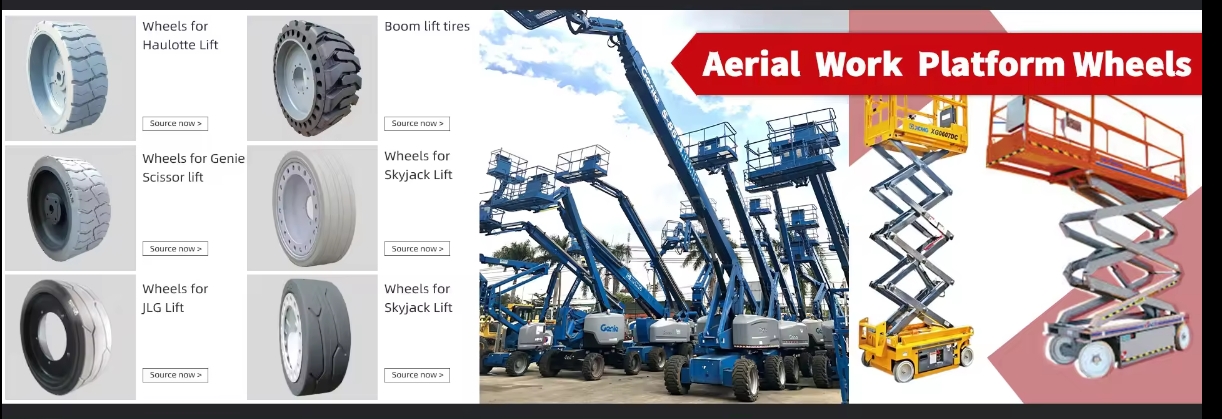
Solid tires are commonly used on forklifts, skid steers, heavy-duty trucks, pallet jacks, and other industrial equipment. Their robust construction ensures consistent performance even under extreme conditions, such as uneven floors, sharp objects, chemical exposure, or heavy loads. By providing durability and stability, solid tires are essential for businesses seeking to maximize operational efficiency and minimize downtime.
Advantages of Solid Tires for Industrial Vehicles
Enhanced Durability and Longevity
One of the most significant advantages of solid tires is their remarkable durability. They are highly resistant to punctures, cuts, and general wear, ensuring a longer lifespan compared to pneumatic tires. For industrial vehicle operators, this durability translates into fewer tire replacements, lower maintenance costs, and uninterrupted workflow. Vehicles equipped with solid tires can operate for extended periods without the common issues associated with air-filled tires.
Improved Stability and Load Capacity
Solid tires provide superior stability and weight-bearing capacity, making them suitable for heavy industrial applications. Their robust construction ensures that vehicles maintain balance and control even under maximum load conditions. This enhanced stability is particularly important for forklifts and material handling equipment, as it prevents tipping or uneven weight distribution, ensuring safety for both operators and goods.
Maintenance-Free Operation
Unlike pneumatic tires, which require constant monitoring of air pressure and occasional inflation, solid tires are virtually maintenance-free. There is no risk of air leakage or blowouts, reducing the time and resources spent on tire maintenance. This feature allows industrial operations to maintain productivity while minimizing operational disruptions. Maintenance-free tires also contribute to cost savings over the long term by eliminating frequent tire repairs.
Resistance to Harsh Conditions
Industrial environments often expose vehicles to extreme temperatures, chemicals, rough surfaces, and abrasive materials. Solid tires are specifically designed to withstand these conditions. Their robust rubber compounds ensure resistance to wear and tear, while their structural integrity prevents deformation under high stress. For businesses operating in warehouses with rough flooring or outdoor construction sites with debris, solid tires provide reliable performance and reduce the likelihood of unexpected downtime.
Versatility Across Applications
Solid tires are versatile and compatible with a wide range of industrial vehicles. From forklifts and skid steers to heavy-duty trucks and pallet movers, these tires can handle different loads, terrains, and operational demands. This versatility allows businesses to standardize tire selection across multiple vehicles, simplifying procurement and inventory management.
Maintenance Tips for Solid Tires
Even though solid tires are low-maintenance, proper care is still essential to maximize their lifespan and performance:
-
Regularly inspect tires for signs of wear, cracks, or damage.
-
Keep tires clean and free of debris to prevent premature wear.
-
Ensure vehicles are properly aligned and tires are balanced to distribute wear evenly.
-
Follow manufacturer guidelines for tire rotation intervals and replacements.
-
Monitor operational conditions and avoid exceeding recommended load capacities.
Choosing the Right Solid Tires
Selecting the right solid tires requires consideration of several key factors:
-
Load Capacity: Ensure the tire can handle the maximum weight of your vehicle and cargo.
-
Tread Pattern: Choose a tread that matches the operating surface—ribbed for smooth indoor floors, lugged for rough or uneven terrain, and smooth for applications requiring minimal surface marking.
-
Rubber Compound Quality: High-quality compounds provide superior resistance to abrasion, cuts, chemicals, and temperature variations.
-
Vehicle Compatibility: Confirm that tire size, rim compatibility, and specifications match your industrial vehicle.
-
Operational Environment: Consider indoor or outdoor use, temperature range, and exposure to chemicals or rough surfaces.
Investing in reputable brands with proven durability and performance is essential. High-quality solid tires may have higher upfront costs but deliver long-term value, reliability, and safety. Consulting with manufacturers or tire specialists can also help identify the most suitable tires for your specific operational needs.
FAQ
Q: Are solid tires suitable for all industrial vehicles?
A: Solid tires are suitable for most industrial and heavy-duty vehicles, including forklifts, skid steers, pallet jacks, and heavy trucks. However, for long-distance high-speed transportation, pneumatic or hybrid tires may still be required.
Q: How long do solid tires last compared to pneumatic tires?
A: Solid tires generally last 2–3 times longer than pneumatic tires, depending on load, surface conditions, and maintenance practices.
Q: Are solid tires worth the initial investment?
A: Yes. Despite higher upfront costs, solid tires reduce maintenance, downtime, and replacement frequency, making them highly cost-effective over the long term.
Q: How do solid tires improve workplace safety?
A: Solid tires provide superior stability, traction, and puncture resistance, reducing the risk of accidents and creating a safer operating environment for workers.
Q: Can solid tires be used in extreme conditions?
A: Absolutely. Solid tires are designed to withstand extreme temperatures, chemical exposure, abrasive surfaces, and rough terrain, making them ideal for demanding industrial environments.
Conclusion
Solid tires are indispensable for industrial vehicles operating in demanding environments, providing durability, stability, load-bearing capacity, and maintenance-free operation. By understanding their advantages, selecting high-quality tires, and following proper maintenance practices, businesses can enhance operational efficiency, reduce costs, and improve workplace safety. For industrial vehicle operators seeking long-lasting, reliable, and high-performing solutions, investing in solid tires is a strategic decision that maximizes productivity and ensures smooth, safe operations across a variety of industrial applications.
Post time: 24-12-2025