
Solid tires play a crucial role in the performance and safety of industrial vehicles. Whether it’s for forklifts, skid steer loaders, or other heavy-duty equipment, having the right solid tires can improve efficiency and minimize downtime. Understanding proper selection, maintenance, and operational practices is essential for maximizing the lifespan and performance of solid tires.
Choosing the Right Solid Tires
Selecting appropriate solid tires for industrial vehicles is key to achieving optimal performance. Several factors should be considered:
● Vehicle Type: Different vehicles, such as forklifts, skid steer loaders, and construction machinery, have specific requirements for tire size, load capacity, and durability.
● Operating Environment: Consider whether the tires will be used indoors, outdoors, or in harsh, rough, or uneven terrains.
● Load Capacity: Ensure the tires can handle the maximum load the vehicle will carry. Overloading can cause premature wear or damage.
● Durability: Look for puncture-resistant and wear-resistant tires that can withstand the demands of industrial operations.
Choosing tires with the right balance of durability, load capacity, and terrain suitability ensures safe and efficient vehicle operation.
Understanding Solid Tires
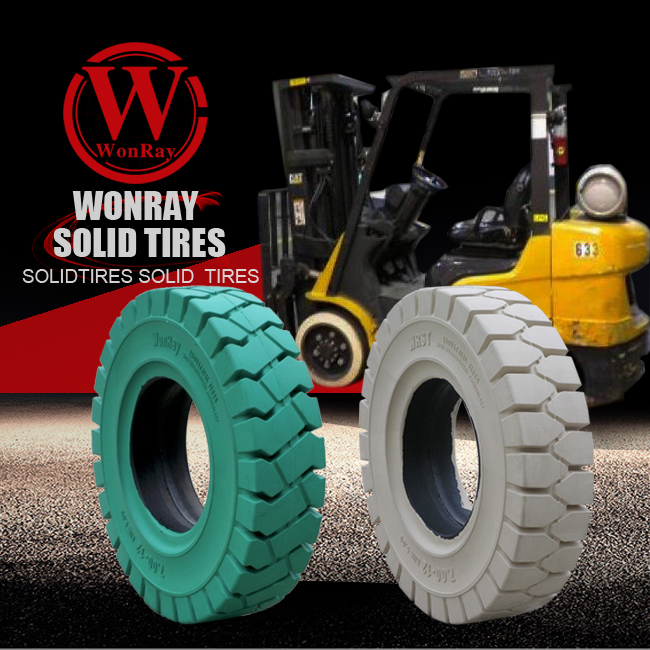
Solid tires are made from solid rubber compounds, unlike pneumatic tires that contain air-filled chambers. They are specifically designed for heavy-duty applications where punctures, blowouts, or frequent maintenance can disrupt operations. Compared to pneumatic tires, solid tires offer longer service life, minimal maintenance, and excellent resistance to wear and tear.
Key benefits of solid tires include:
● Puncture Resistance: No air means no risk of flats or blowouts.
● Longer Lifespan: Resistant to rough surfaces, heavy loads, and repeated use.
● Reduced Maintenance: Minimal attention required compared to air-filled tires.
● Improved Safety: Lower risk of sudden failures during operation.
Tips for Optimal Solid Tire Performance
Maintaining solid tires properly ensures maximum durability and performance. Follow these best practices:
● Proper Installation: Ensure solid tires are mounted and balanced correctly to prevent uneven wear and vibrations.
● Regular Inspections: Check for signs of wear, cuts, cracks, or damage. Replace tires showing significant deterioration.
● Correct Tire Pressure: For solid tires designed for some pneumatic support, maintain the recommended pressure to prevent damage.
● Load Management: Do not exceed the maximum load capacity to avoid premature wear or potential failure.
● Environmental Considerations: Monitor the operating conditions, including temperature and terrain, and select tires accordingly.
Sample Data
Below is an example of solid tire performance characteristics for various industrial vehicles:
| Vehicle Type | Load Capacity | Terrain Suitability | Durability |
|---|---|---|---|
| Forklifts | Heavy | Indoor/Outdoor | High |
| Skid Steer Loaders | Medium | Rough | Excellent |
| Construction Equipment | Very Heavy | Uneven Terrain | Superior |
FAQ: Solid Tires for Industrial Vehicles
● What types of industrial vehicles are suitable for solid tires?
Solid tires are ideal for forklifts, skid steer loaders, construction equipment, and other heavy-duty vehicles, especially in environments where punctures are common.
● How do solid tires perform on different terrains?
They perform reliably on smooth indoor floors and rugged outdoor surfaces, but the appropriate model should be selected based on terrain and load requirements.
● Do solid tires require special maintenance?
While less maintenance-intensive than pneumatic tires, regular inspections, proper load management, and timely replacement of worn tires are essential.
● How do I know when to replace solid tires?
Tires should be replaced if there is significant wear, cracking, or a reduction in load-bearing capability to ensure safe operation.
Conclusion
Solid tires are indispensable for industrial vehicles, contributing significantly to performance, safety, and operational efficiency. By selecting the right tires, following proper installation procedures, performing regular maintenance, and adhering to load capacity guidelines, operators can maximize the lifespan and reliability of their solid tires. Prioritizing quality, durability, and compatibility with specific vehicles ensures that industrial operations run smoothly, reducing downtime and maintenance costs while enhancing productivity.
Post time: 22-12-2025