
In high-density industrial operations, having reliable equipment is essential to ensure smooth and efficient workflows. One often overlooked but crucial component of industrial machinery is the tires it operates on. The choice of tires can significantly impact productivity, safety, and long-term operational costs. In this context, solid tires have emerged as the preferred choice for high-density industrial operations, offering unmatched durability and performance advantages. This article explores the benefits of solid tires and explains why they are the optimal solution for industries with intense operational demands.
Understanding Solid Tires
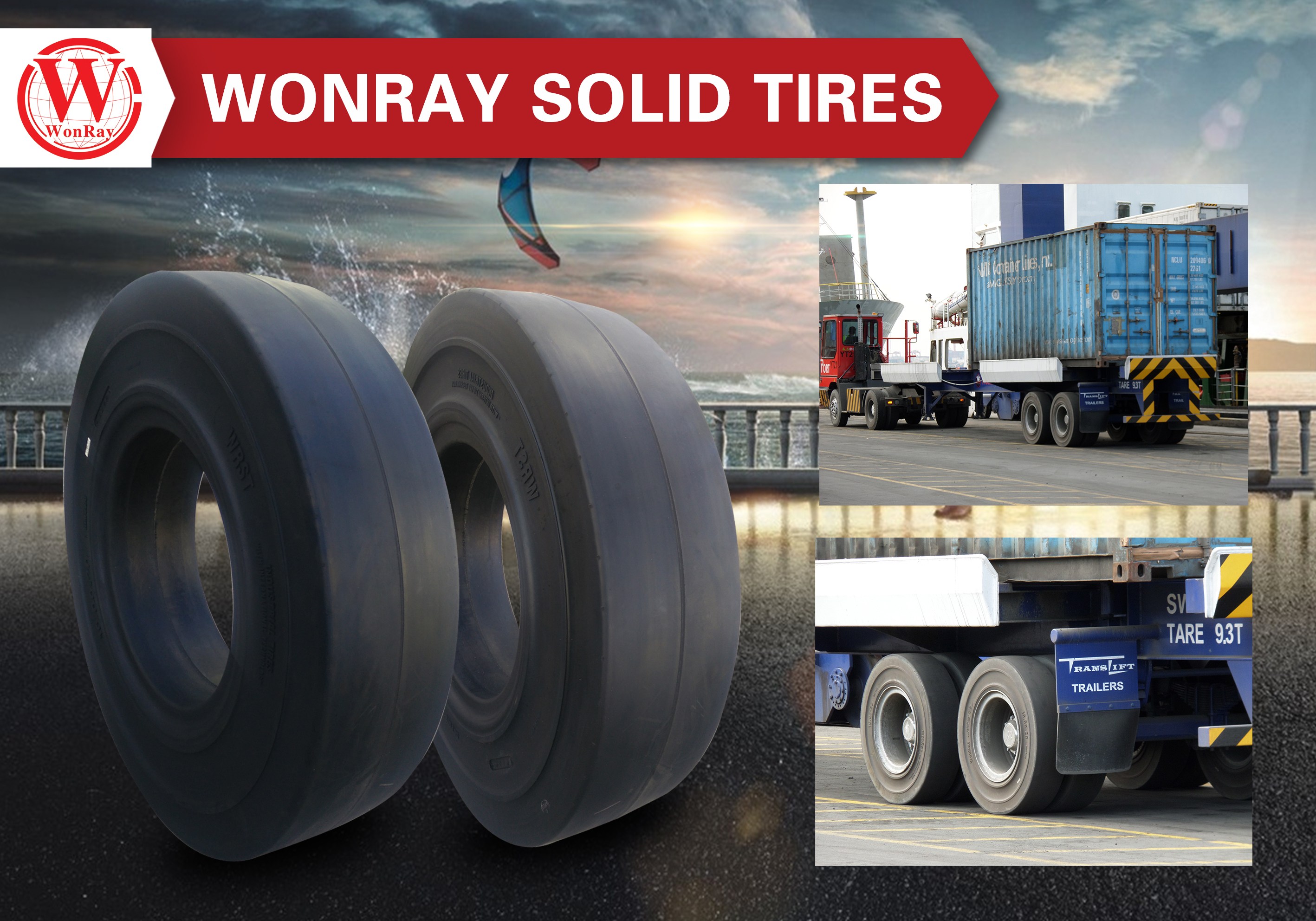
Solid tires, as the name implies, are constructed from solid rubber compounds and do not contain air-filled chambers like traditional pneumatic tires. This unique design gives them a structural integrity that allows them to withstand extreme operating conditions without the risk of punctures, flats, or sudden pressure loss. Solid tires are commonly used in forklifts, warehouse equipment, industrial trucks, construction vehicles, and other machinery that operates in rugged or high-traffic industrial environments.
Key characteristics of solid tires include:
● Puncture Resistance: They are highly resistant to cuts, punctures, and abrasions from sharp objects commonly found in industrial settings.
● Durability: Made from tough rubber compounds, solid tires can endure continuous heavy loads without degradation.
● Low Maintenance: Unlike pneumatic tires, they do not require regular inflation checks, reducing downtime and labor costs.
● Stability: Their solid construction provides superior load-bearing capacity and stability under heavy operational stress.
● Enhanced Traction: Solid tires maintain consistent grip on various surfaces, including concrete, asphalt, and rough terrain, ensuring smooth and safe movement.
Advantages of Solid Tires in High-Density Industrial Operations
High-density industrial environments, such as warehouses, manufacturing plants, distribution centers, and construction sites, place extreme demands on equipment. Solid tires excel in these scenarios due to their ability to maintain reliable performance under continuous heavy-duty use. Here are the key advantages of solid tires:
Durability
Solid tires are engineered for long-term durability. They can withstand the wear and tear caused by constant operation in high-traffic areas, heavy lifting, and exposure to debris. Unlike pneumatic tires, which can suffer from punctures and require frequent replacements, solid tires provide a longer service life. This reduces operational interruptions and lowers the total cost of ownership for industrial machinery.
Stability and Load-Bearing Capacity
The solid construction of these tires delivers excellent stability, even when carrying maximum loads. This stability is crucial in high-density operations where precision and balance are vital—for instance, when moving pallets in warehouses or operating forklifts on narrow aisles. The enhanced load-bearing capacity of solid tires ensures safe handling of heavy materials and reduces the risk of accidents due to tire failure.
Resistance to Harsh Conditions
Industrial operations often expose equipment to rough surfaces, sharp debris, chemical spills, and fluctuating temperatures. Solid tires are highly resistant to such challenging conditions. Their robust rubber compounds maintain structural integrity and performance, even when subjected to abrasive surfaces or extreme loads. This makes them ideal for construction sites, factory floors, and outdoor industrial environments where conventional pneumatic tires would quickly wear out.
Low Maintenance Requirements
Maintenance efficiency is a critical factor in industrial operations. Solid tires require minimal upkeep compared to pneumatic tires. There is no need to monitor air pressure, patch punctures, or replace tires frequently. This not only reduces labor and maintenance costs but also minimizes unplanned downtime, allowing operations to continue uninterrupted.
Enhanced Traction and Safety
Solid tires offer superior traction on a variety of surfaces, including smooth concrete, rough asphalt, and uneven terrain. This consistent grip reduces slippage and enhances operator control, making machinery safer to operate in high-density environments. The improved stability and traction contribute to operational efficiency by preventing accidents and material damage.
Solid Tires vs. Pneumatic Tires
To better understand the advantages of solid tires, it is helpful to compare them with pneumatic tires in industrial applications:
● Durability: Solid tires are highly durable and resistant to punctures, while pneumatic tires are prone to flats and require regular maintenance.
● Maintenance Requirement: Solid tires need minimal maintenance, whereas pneumatic tires require frequent air pressure checks and occasional patching.
● Load-Bearing Capacity: Solid tires provide superior load-bearing ability, making them ideal for heavy-duty machinery.
● Operational Safety: The risk of sudden tire failure is negligible in solid tires, improving workplace safety.
Sample Comparison Table
| Criteria | Solid Tires | Pneumatic Tires |
|---|---|---|
| Durability | High | Moderate |
| Maintenance Requirement | Low | High |
| Load-Bearing Capacity | High | Moderate |
| Puncture Resistance | Excellent | Prone to Punctures |
Conclusion
In conclusion, solid tires are an indispensable component of high-density industrial operations. Their exceptional durability, low maintenance requirements, superior stability, and resistance to harsh conditions make them the optimal choice for industries that demand reliable, high-performance machinery. By selecting solid tires for industrial equipment, businesses can improve operational efficiency, reduce maintenance costs, and enhance workplace safety.
Investing in solid tires ensures long-term reliability and performance, making them a strategic choice for warehouses, factories, distribution centers, and construction sites. For any industrial operation that relies on heavy machinery, solid tires provide both economic and operational benefits that pneumatic tires cannot match.
FAQ
Q: Are solid tires suitable for all types of industrial machinery?
A: Solid tires are ideal for equipment operating under heavy loads and in high-density environments, such as forklifts, warehouse trucks, and construction machinery. For vehicles requiring high-speed travel over long distances, pneumatic tires may be more suitable.
Q: How much longer do solid tires last compared to pneumatic tires?
A: Solid tires generally have 2 to 5 times the service life of pneumatic tires, depending on load, terrain, and operating conditions.
Q: Do solid tires require any air pressure maintenance?
A: No, solid tires do not contain air chambers, so there is no need for inflation. This eliminates the risk of flats and reduces maintenance work.
Q: Can solid tires be used outdoors in rough or uneven terrain?
A: Yes, solid tires are highly durable and resistant to punctures, cuts, and abrasions, making them suitable for rough outdoor surfaces and high-traffic industrial areas.
Post time: 18-12-2025