
In the industrial and construction sectors, loaders play a critical role in material handling, excavation, and transportation tasks. The efficiency and safety of these machines largely depend on the quality of their tires. Solid loader tires have emerged as a reliable solution for heavy-duty operations, offering unmatched durability, stability, and low maintenance compared to pneumatic alternatives. This article explores the benefits, features, and considerations of solid loader tires for businesses seeking to optimize performance and reduce operational costs.
What Are Solid Loader Tires?
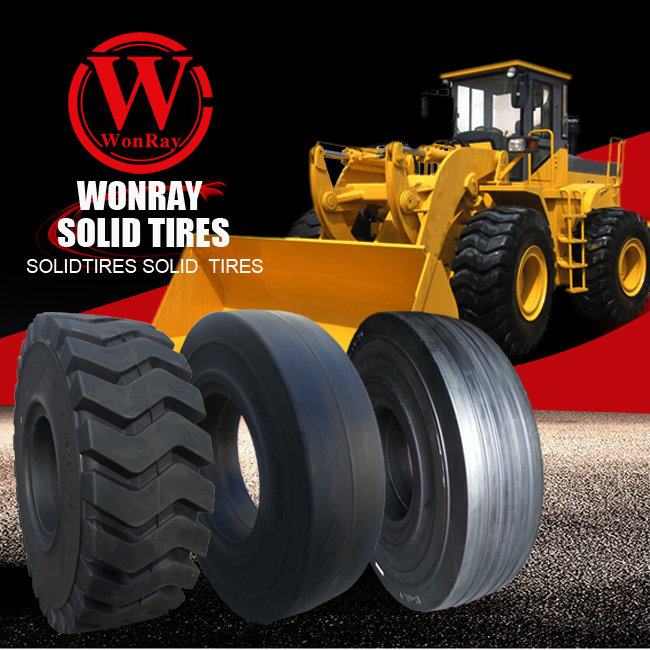
Solid loader tires, sometimes referred to as non-pneumatic or solid rubber tires, are constructed entirely from durable rubber compounds or reinforced materials without any air chambers. Unlike traditional pneumatic tires, solid loader tires are immune to punctures, blowouts, and sudden deflation, making them ideal for demanding environments such as construction sites, mining operations, and industrial yards.
These tires are specifically engineered to handle the heavy loads and continuous operation associated with loaders, skid steers, and other heavy machinery. Their robust design ensures that equipment remains stable even when operating on uneven or rough terrains.
Advantages of Solid Loader Tires
Investing in solid loader tires provides businesses with numerous advantages that directly impact productivity, safety, and cost-efficiency. Key benefits include:
● Exceptional Durability – Solid loader tires are highly resistant to wear, cuts, and abrasions. Their robust construction ensures long-lasting performance, even in harsh working environments, reducing the frequency of replacements.
● Low Maintenance Requirements – Unlike pneumatic tires, solid loader tires do not require air pressure checks or repairs for punctures. This significantly reduces downtime, labor costs, and the need for spare tire inventories.
● Enhanced Stability and Load Capacity – The solid structure provides superior stability, preventing tire deformation under heavy loads. This makes them ideal for loaders transporting bulky materials, ensuring safe and efficient operations.
● Puncture and Damage Resistance – Working in construction, mining, or industrial areas often exposes tires to sharp debris. Solid loader tires eliminate the risk of flats or blowouts, providing uninterrupted operations and safer working conditions.
● Cost-Effectiveness – While the initial investment may be higher than pneumatic tires, the long-term savings from reduced maintenance, fewer replacements, and minimized downtime make solid loader tires a cost-effective choice for industrial operations.
● Environmental Sustainability – The longevity and durability of solid tires contribute to reduced waste, as they do not need frequent replacement like pneumatic tires. Businesses can reduce their environmental impact by adopting solid loader tires.
Key Features of Solid Loader Tires
Solid loader tires are designed to meet the rigorous demands of heavy machinery operations. Their core features include:
● Solid Rubber or Reinforced Compound – Offers strength and flexibility to withstand continuous operation under heavy loads.
● Deep Tread Patterns – Enhance traction on rough, uneven, or slippery surfaces, providing improved control and stability.
● Heat and Wear Resistance – Engineered to withstand high operating temperatures and resist wear in challenging industrial applications.
● Compatibility with Various Loader Models – Available in a range of sizes and specifications to fit different loader brands and types.
● Maintenance-Free Design – Eliminates the need for regular inspections for punctures or pressure adjustments.
Applications of Solid Loader Tires
Solid loader tires are widely used across several industries, providing reliable performance in demanding conditions. Common applications include:
● Construction Sites – Loaders equipped with solid tires can efficiently transport materials like sand, gravel, and concrete while minimizing downtime caused by tire damage.
● Mining Operations – Solid tires withstand sharp rocks and rough terrain, allowing heavy machinery to operate continuously in mines without interruption.
● Industrial Yards and Warehouses – Loaders handling pallets, containers, and raw materials benefit from the stability and reliability of solid tires.
● Agriculture – For heavy-duty farming loaders, solid tires offer consistent performance on uneven and muddy fields.
Choosing the Right Solid Loader Tires
Selecting the appropriate solid loader tires requires considering several key factors:
● Load Capacity – Ensure the tire can handle the maximum weight your loader will carry.
● Terrain Type – Evaluate the surfaces the loader will operate on, including gravel, asphalt, dirt, or wet areas, to determine the appropriate tread pattern.
● Operating Conditions – Consider temperature extremes, exposure to chemicals, or abrasive materials that may impact tire longevity.
● Tire Size and Compatibility – Verify the tire dimensions match your loader’s specifications for safe and efficient operation.
● Durability Requirements – Choose tires based on the expected lifespan and intensity of daily operations.
Maintenance Tips for Solid Loader Tires
Although solid loader tires are low maintenance, regular checks and proper care can extend their service life:
● Inspect Regularly – Check for unusual wear, embedded debris, or damage that may compromise performance.
● Maintain Proper Alignment – Ensure wheels are correctly aligned to prevent uneven wear and maintain stability.
● Clean Tires Frequently – Remove dirt, chemicals, or sharp debris to prevent material buildup that may accelerate wear.
● Monitor Performance – Track vehicle performance to detect any changes in traction or stability that may indicate tire issues.
Conclusion
Solid loader tires are an essential investment for businesses relying on heavy machinery for construction, mining, and industrial operations. Their durability, low maintenance, and ability to handle heavy loads make them a superior choice compared to pneumatic tires. By choosing the right solid loader tires, companies can improve operational efficiency, reduce downtime, and enhance workplace safety. Proper selection and care ensure that these tires provide long-lasting, reliable performance, making them a cost-effective and sustainable solution for industrial applications.
FAQ
Q1: What types of loaders are compatible with solid loader tires?
A1: Solid loader tires are suitable for a wide range of loaders, including wheel loaders, skid steers, and material handling vehicles used in construction, mining, and industrial yards.
Q2: How long do solid loader tires typically last compared to pneumatic tires?
A2: Solid loader tires generally last significantly longer than pneumatic tires due to their puncture-proof design and resistance to wear, making them ideal for heavy-duty applications.
Q3: Are solid loader tires more expensive than pneumatic tires?
A3: The initial cost is higher, but the long-term savings from reduced maintenance, fewer replacements, and minimized downtime make solid loader tires more cost-effective over time.
Q4: Can solid loader tires operate efficiently on rough or uneven terrain?
A4: Yes. Solid loader tires are specifically designed with deep tread patterns and reinforced construction to provide stability and traction on rough, uneven, or abrasive surfaces.
Post time: 30-01-2026