
Choosing the right skid steer solid rubber tires can be a challenging task given the wide variety of options available in today’s market. From forklifts and skid steer loaders to warehouse vehicles and small utility equipment, skid steer solid rubber tires are essential for industrial and commercial operations. In this article, we provide a comprehensive guide with expert tips to help businesses select the best skid steer solid rubber tires for their equipment, ensuring maximum durability, safety, and efficiency.
Understanding Skid Steer Solid Rubber Tires
Skid steer solid rubber tires, also known as flat-free tires, are made from high-quality rubber or polyurethane compounds. Unlike pneumatic tires, which rely on air pressure, skid steer solid rubber tires are puncture-proof and highly durable. These tires are specifically designed for heavy-duty applications where the risk of punctures is high, such as construction sites, warehouses, and industrial yards.
The solid structure of these tires provides excellent stability and load-bearing capacity, making them ideal for equipment that requires continuous operation under harsh conditions. Skid steer solid rubber tires are built to withstand heavy loads, rough surfaces, and long hours of operation, reducing downtime and maintenance costs for businesses.
Key Benefits of Skid Steer Solid Rubber Tires
● Exceptional Durability
Skid steer solid rubber tires are designed to endure rough terrains, heavy loads, and abrasive surfaces. Their durability makes them ideal for industrial and commercial equipment that operates in challenging environments.
● Low Maintenance Requirements
These tires do not require air pressure, eliminating the need for frequent inflation, pressure checks, or repair due to flats. This reduces maintenance labor and costs while minimizing downtime.
● High Load Capacity
The robust construction of skid steer solid rubber tires allows them to support heavier loads compared to pneumatic tires, making them perfect for skid steer loaders, forklifts, and other heavy-duty vehicles.
● Enhanced Safety
The puncture-proof nature of these tires reduces the risk of sudden blowouts, providing a safer working environment for operators and employees.
● Versatility Across Surfaces
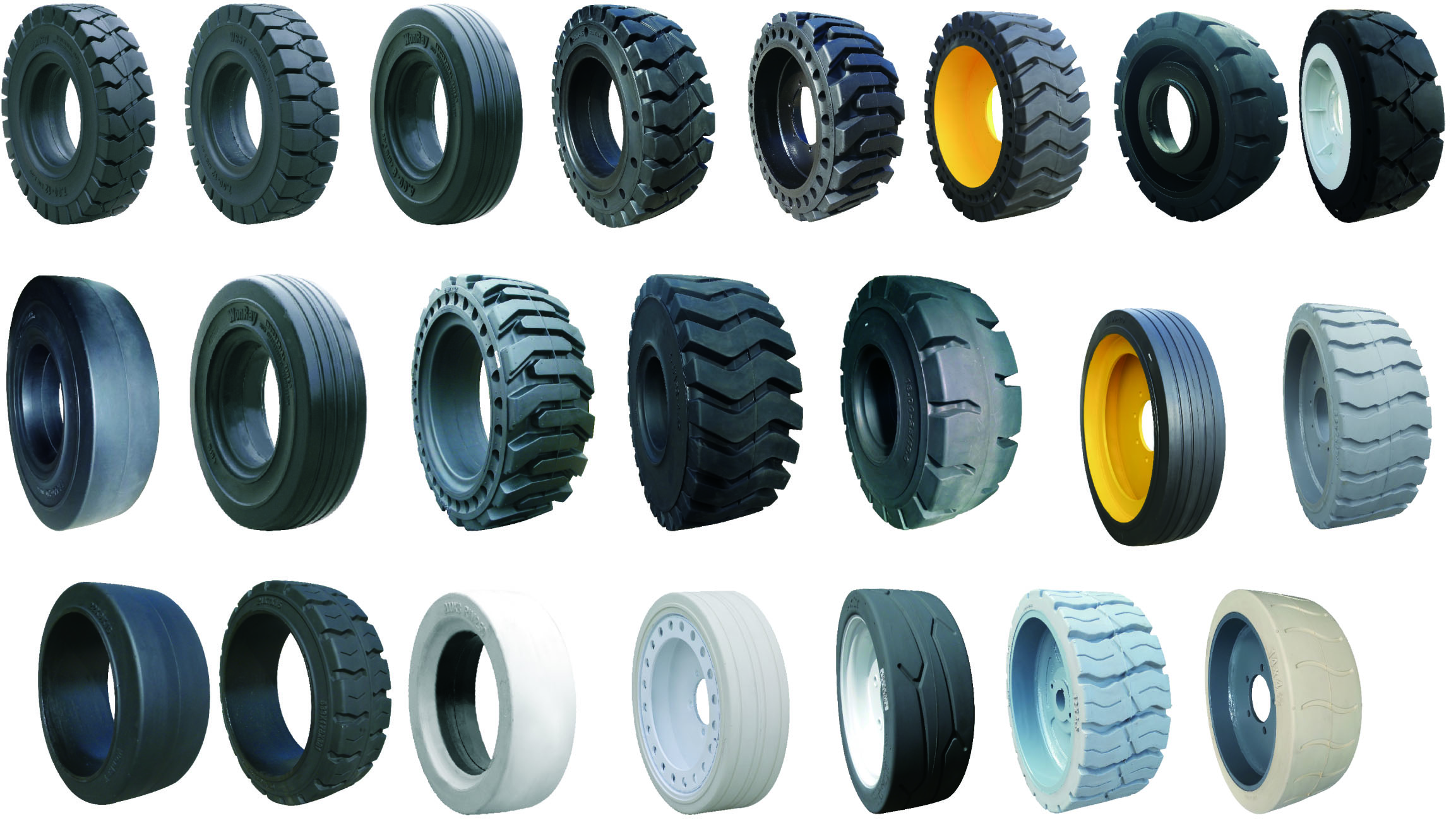
Skid steer solid rubber tires perform well on various surfaces, including concrete, asphalt, gravel, and light muddy areas. Different tread patterns, such as deep lug or smooth designs, allow businesses to choose the most suitable option for their specific operating environment.
● Long Lifespan
Compared to pneumatic tires, skid steer solid rubber tires last significantly longer, reducing replacement frequency and lowering overall operational costs.
● Environmentally Friendly
Made from durable and recyclable materials, these tires reduce the environmental impact of tire disposal and contribute to sustainable industrial operations.
Factors to Consider When Choosing Skid Steer Solid Rubber Tires
● Tire Size and Equipment Compatibility
It is crucial to select skid steer solid rubber tires that match the dimensions and specifications of your equipment. Incorrect sizing can compromise safety and stability. Always refer to the equipment manufacturer’s guidelines or consult a tire specialist for proper selection.
● Load Capacity
Choose tires with sufficient load capacity to handle the maximum weight of your machinery. Overloading tires can lead to premature wear or structural failure.
● Tread Pattern
The tread design affects traction, grip, and performance. Deep tread patterns are recommended for rough or uneven terrain, while smooth or ribbed patterns work well on indoor or paved surfaces.
● Material Composition
Rubber solid tires provide high durability and wear resistance, suitable for heavy-duty applications. Polyurethane tires, in contrast, are lighter and offer a smoother ride, making them suitable for equipment that requires agility.
● Brand and Quality
Selecting reputable brands ensures product reliability, consistent performance, and effective after-sales support.
Maintenance Tips for Skid Steer Solid Rubber Tires
● Regular Inspection
Inspect tires regularly for cuts, embedded debris, or abnormal wear. Early detection of issues helps prevent potential operational problems.
● Cleaning
Keep tires clean to prevent debris from causing unnecessary wear. Use mild soap and water, and avoid harsh chemicals that could degrade the rubber.
● Proper Storage
When not in use, store skid steer solid rubber tires in a dry, ventilated area away from direct sunlight to prevent premature aging and deformation.
FAQs About Skid Steer Solid Rubber Tires
Q: Are skid steer solid rubber tires suitable for all industrial equipment?
A: These tires are ideal for skid steer loaders, forklifts, and other heavy-duty industrial vehicles. They may not be necessary for light-speed or high-mobility vehicles.
Q: Can skid steer solid rubber tires be repaired?
A: Unlike pneumatic tires, these tires are not repairable in the traditional sense, but they can often be retreaded or resurfaced to extend their lifespan.
Q: Do solid tires affect operator comfort?
A: While solid tires provide slightly less cushioning than pneumatic tires, modern designs have improved ride comfort, especially for low-speed industrial applications.
Sample Data Table: Skid Steer Solid Rubber Tires
| Tire Size | Load Capacity | Tread Pattern | Material Composition |
|---|---|---|---|
| 16×6-8 | 2,000 lbs | Ribbed | Rubber |
| 18×8-10 | 3,000 lbs | Lug | Polyurethane |
| 20×10-12 | 4,500 lbs | Deep Lug | Rubber |
Conclusion
Skid steer solid rubber tires are a durable, low-maintenance, and reliable solution for industrial and commercial equipment. Their exceptional load-bearing capacity, puncture-proof design, and versatility make them the top choice for businesses seeking long-lasting, cost-effective tire solutions. By selecting the right size, tread pattern, and material composition, companies can enhance equipment safety, productivity, and operational efficiency.
Product Selection Recommendations
When choosing skid steer solid rubber tires, consider equipment specifications, load requirements, and operating surfaces. Prioritize reputable brands that offer a wide range of tire options tailored to industrial and commercial applications. Consulting with tire experts can help businesses identify the most suitable tires for their operations, ensuring long-term efficiency and reduced operational costs.
Post time: 09-01-2026