
A Road Paver Tire is not simply a rolling component under a construction machine. On a wheeled paver or related road-building vehicle, it helps carry the machine, transfer drive force, support steering, and maintain steady contact with the working surface. These functions directly affect how smoothly the equipment moves during paving. A tire that loses pressure, wears unevenly, slips, or deforms excessively can interrupt the paving rhythm and create avoidable pressure on the crew, the machine, and the finished surface.
Why Tire Problems Become Paving Problems
Road paving depends on continuous, controlled movement. The machine must move at a stable pace while material is distributed and compacted behind it. Sudden stops are especially disruptive because they can affect material temperature, surface consistency, and coordination with trucks, rollers, and supporting equipment. Tire problems may look small compared with the size of the machine, but a single puncture or damaged sidewall can stop the entire operation.
The operating environment also exposes tires to sharp aggregate, broken pavement, metal fragments, high surface temperatures, repeated turning, and long working hours. A general-purpose tire that is not suited to these conditions may wear quickly or become unstable under load. A purpose-matched Road Paver Tire is designed to reduce these risks by combining load support, surface durability, and reliable contact with the ground.
Puncture Resistance Keeps the Machine Moving
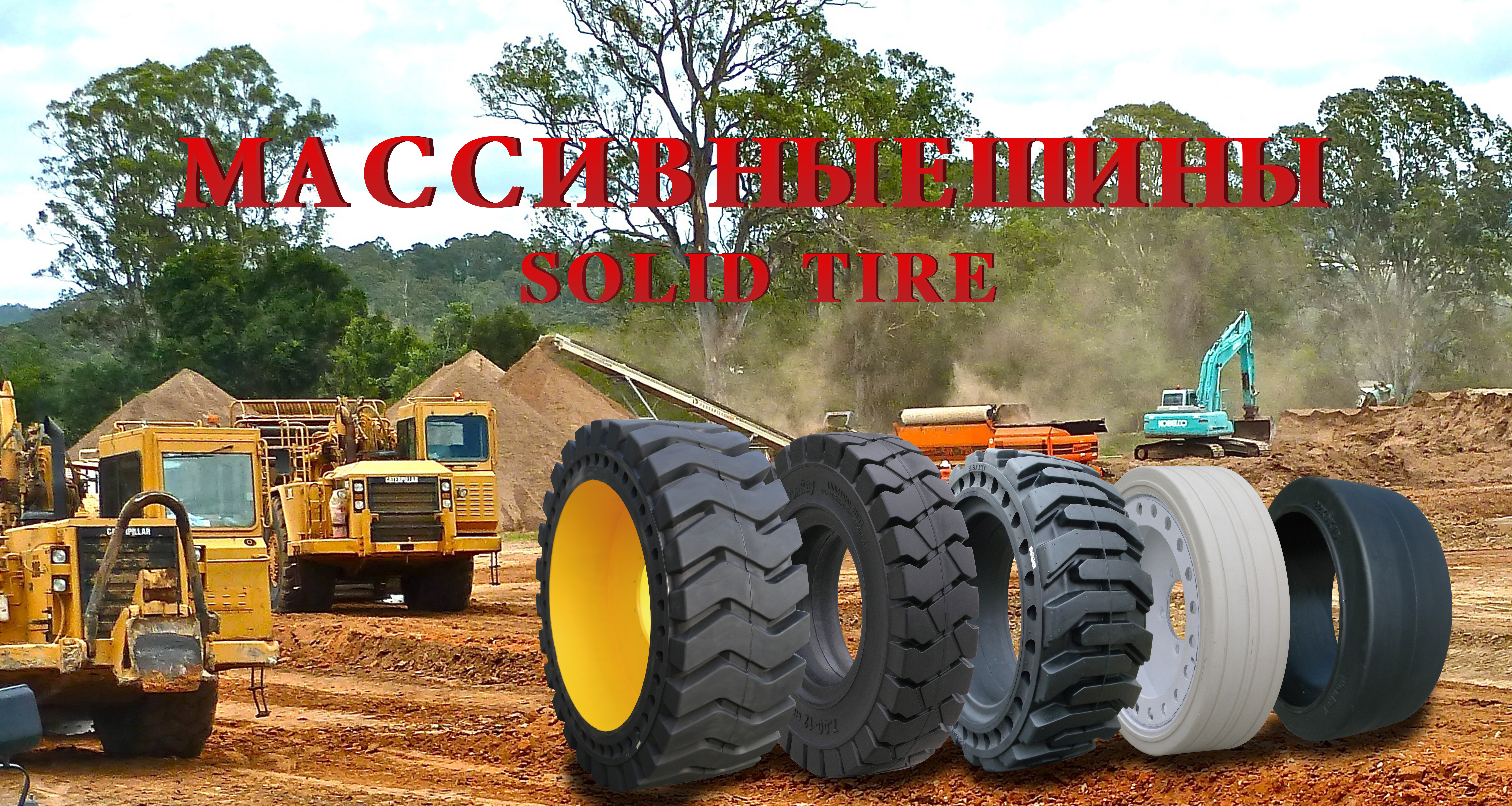
One of the main problems a Road Paver Tire can solve is unplanned downtime caused by air loss. Pneumatic tires depend on internal pressure, so nails, sharp stone, exposed steel, and other site debris can cause slow leaks or immediate flats. Solid or non-pneumatic tire structures remove the air chamber from the equation. They cannot lose pressure in the same way, which makes them useful on construction sites where debris cannot be completely controlled.
This does not mean the tire is impossible to damage. Severe cuts, excessive heat, incorrect loading, and poor rim fit can still shorten service life. The practical advantage is that ordinary puncture hazards are much less likely to stop the machine in the middle of a paving cycle.
Stable Load Support Improves Machine Control
A road paver carries substantial machine weight and may experience changing loads as material is received and processed. The tire must keep its shape within the intended load range. If the tire deflects too much, steering can feel slow, the machine may lean during turns, and the contact area can become inconsistent. If the tire is too hard for the application, vibration may be transferred more directly into the chassis.
A suitable Road Paver Tire balances structural support with controlled resilience. The load-bearing section supports the machine, while the rubber compound absorbs part of the vibration generated by uneven ground. This balance helps the operator maintain a predictable travel path and reduces unnecessary movement at low paving speeds.
Traction Matters at Low Speed
Paving equipment does not need highway-speed performance, but it does need dependable traction. The machine often moves slowly while pushing against the resistance created by its own weight, the paving material, and surface irregularities. On ramps, loose aggregate, damp ground, or partially prepared surfaces, insufficient grip can cause wheel slip and uneven movement.
Tread design should match the surface. A smoother pattern may support steady movement on prepared pavement and reduce excessive vibration. A more open pattern can improve grip where the site contains loose material. The correct choice depends on whether the machine works mainly on finished surfaces, rough construction zones, or mixed conditions.
Heat and Wear Must Be Controlled Together
Road construction exposes tires to heat from the pavement, ambient conditions, friction, and repeated deformation. Heat buildup can soften rubber, accelerate wear, and increase the risk of cracking or chunking when the compound is not suited to the duty cycle. Long operating shifts make this issue more important because the tire has less time to cool.
Wear-resistant tread rubber helps protect the surface of the tire, but wear resistance alone is not enough. The internal structure must also manage heat and maintain bonding between layers. A tire with a very hard tread may last well on one surface but provide poor grip or excessive vibration on another. Product selection should therefore consider operating temperature, speed, load, travel distance, and the number of turns per shift.
Matching the Tire to the Machine
The size marked on the existing tire is only the starting point. A replacement Road Paver Tire should also match the rim profile, load requirement, overall diameter, section width, clearance, and mounting method. Incorrect outside diameter can change machine height or travel behavior. Incorrect width can cause interference with nearby components. An unsuitable rim fit can create mounting problems and concentrate stress in the tire base.
Before confirming a tire, record the machine model, current tire size, rim size, axle position, expected load, working surface, average operating hours, and any recurring failure pattern. Photos of the tire, rim, and sidewall markings are also useful. This information helps distinguish between a normal replacement need and a deeper problem caused by overload, alignment, heat, or incorrect application.
What a Well-Matched Road Paver Tire Delivers
The main value of the product is operational consistency. A correctly selected tire helps reduce puncture-related stops, supports the machine under continuous load, maintains traction at low speed, and provides predictable steering. It can also reduce the frequency of emergency tire work in active paving zones, where access is limited and every delay affects the surrounding workflow.
WonRay focuses on industrial solid tires, press-on tires, non-marking tires, OTR solid tires, wheels, and rims for demanding equipment. For a Road Paver Tire application, the most useful starting point is not a generic product description but complete machine and operating information. Matching the tire structure and wheel interface to the actual jobsite is what turns the tire into a practical solution rather than a simple replacement part.
FAQ
Can a Road Paver Tire prevent all jobsite downtime?
No. It mainly reduces tire-related interruptions such as pressure loss and ordinary punctures. Machine maintenance, material supply, weather, and operating practices still affect uptime.
Are solid tires suitable for every road paver?
No. Compatibility depends on the machine design, rim, load, speed, and required cushioning. The original equipment requirements should be checked before changing tire type.
What information is needed to select the right tire?
Provide the machine model, tire size, rim size, axle position, load, working surface, operating hours, and photos of the current tire and wheel.
Why does a road paver tire wear unevenly?
Common causes include misalignment, overload, incorrect inflation on pneumatic tires, excessive turning, unsuitable tread design, rim problems, and uneven working surfaces.
Post time: 06-08-2026