
Mini loaders are versatile machines widely used in construction, landscaping, agriculture, and industrial operations. A crucial but often overlooked component of these machines is the tyre. The mini loader solid tyre, in particular, plays a pivotal role in ensuring operational stability, reducing downtime, and providing long-lasting durability. Understanding the advantages, types, and selection criteria of solid tyres is essential for B2B buyers who want to maximize machine performance and optimize operational costs.
What Are Mini Loader Solid Tyres?
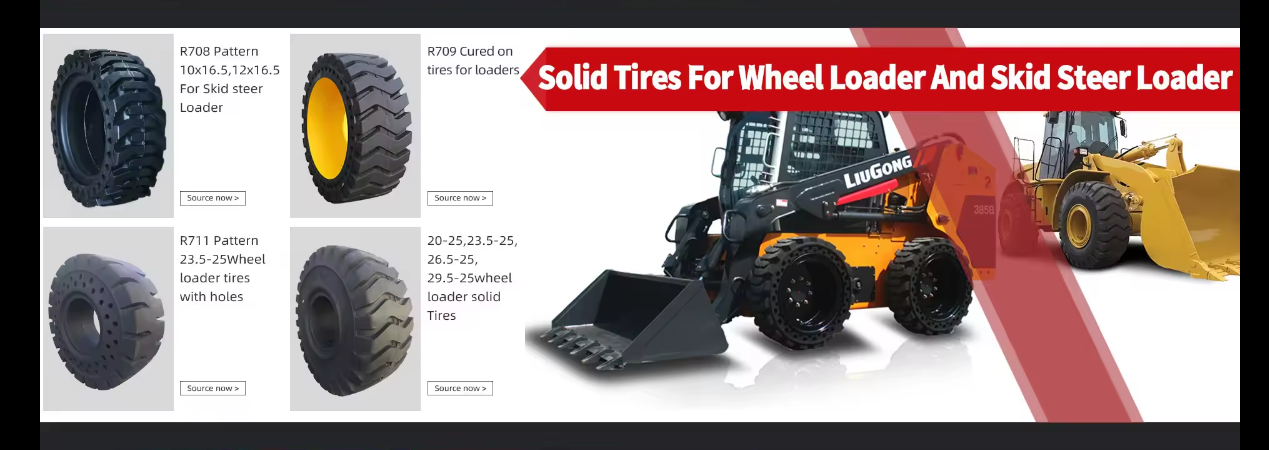
Mini loader solid tyres are non-pneumatic tyres made from solid rubber compounds designed to endure heavy loads, abrasive surfaces, and harsh working environments. Unlike pneumatic tyres, solid tyres are immune to punctures, making them ideal for operations where debris, sharp objects, or rough surfaces are common.
Key benefits of mini loader solid tyres include:
● Puncture Resistance – Solid construction eliminates the risk of flats caused by nails, metal fragments, or other debris.
● Durability – Solid tyres have a longer lifespan compared to pneumatic tyres, reducing replacement frequency.
● Load Support – Capable of handling high load capacities without deflation or structural failure.
These characteristics make solid tyres particularly suitable for industries where reliability, low maintenance, and uninterrupted operation are critical.
Types of Mini Loader Solid Tyres
Solid tyres for mini loaders are available in different designs to meet varying operational needs:
● Standard Solid Tyres – Designed for indoor and light outdoor operations, offering a balance of durability and ride comfort.
● Cushion Solid Tyres – Feature a thicker rubber tread and flexible sidewalls, providing improved shock absorption and traction on uneven surfaces.
● Industrial Heavy-Duty Tyres – Engineered for extreme conditions, these tyres resist abrasion, chemicals, and high temperatures.
● Non-Marking Solid Tyres – Made from specialized compounds that prevent floor marking, ideal for warehouses, factories, and indoor facilities.
Choosing the appropriate tyre type depends on the operating environment, load requirements, and machine usage patterns. The right solid tyre can significantly enhance safety, efficiency, and productivity.
Key Considerations for Selecting Mini Loader Solid Tyres
Selecting the right solid tyre is more than matching the tyre size. Several critical factors must be considered:
● Load Capacity – Tyres must support the maximum operational weight of the mini loader, including attachments and cargo.
● Surface Conditions – Consider the terrain—rough, smooth, abrasive, or chemical-exposed surfaces require different rubber compounds and tread patterns.
● Traction and Stability – Tread design and rubber compound influence grip and handling performance, which directly affect operator safety.
● Durability and Maintenance – High-quality tyres reduce wear, require less frequent replacement, and minimize operational downtime.
● Cost Efficiency – While solid tyres may have higher upfront costs, their extended lifespan and reduced maintenance needs offer long-term savings.
By carefully evaluating these factors, businesses can ensure that their mini loaders perform reliably under demanding conditions while maintaining operational efficiency.
Advantages of Using Mini Loader Solid Tyres
The benefits of equipping mini loaders with solid tyres go beyond durability:
● Reduced Downtime – Puncture-proof construction minimizes interruptions caused by tyre failures.
● Enhanced Safety – Solid tyres provide stable handling and reduced risk of accidents, especially on rough or debris-laden surfaces.
● Lower Maintenance Costs – Fewer replacements and repairs translate into significant cost savings over the tyre’s lifetime.
● Consistent Performance – Solid tyres maintain constant pressure and support, providing predictable performance even under heavy loads.
● Versatility – Suitable for multiple environments, including construction sites, warehouses, and industrial yards.
Investing in high-quality solid tyres is an essential consideration for companies aiming to maximize equipment uptime, protect operators, and reduce operational costs.
Industry Trends and Innovations
Recent innovations in mini loader solid tyre technology have further improved their performance and durability:
● Enhanced Rubber Compounds – New formulations resist cuts, abrasions, and extreme temperatures, extending tyre life.
● Eco-Friendly Materials – Manufacturers are incorporating recycled rubber without compromising performance, promoting sustainability.
● Optimized Tread Designs – Modern treads improve traction, reduce slippage, and enhance energy efficiency.
● Load-Specific Engineering – Tyres are now tailored for specific mini loader models and applications, ensuring optimal performance.
These advancements make solid tyres an increasingly strategic choice for industrial and construction businesses seeking reliability and efficiency.
Conclusion
Mini loader solid tyres are a vital component for ensuring safety, durability, and operational efficiency. Understanding tyre types, load capacities, tread designs, and environmental requirements allows B2B buyers to make informed decisions that maximize equipment performance. High-quality solid tyres reduce downtime, lower maintenance costs, and provide consistent performance, making them an essential investment for industrial operations, construction sites, and warehouse environments.
FAQ
Q1: Why choose solid tyres over pneumatic tyres for mini loaders?
A: Solid tyres are puncture-proof, more durable, and require less maintenance, making them ideal for harsh working conditions.
Q2: Can solid tyres handle uneven and rough terrains effectively?
A: Yes, especially heavy-duty or cushion solid tyres designed with thicker treads and reinforced sidewalls for improved traction and shock absorption.
Q3: How often should mini loader solid tyres be inspected?
A: Tyres should be checked regularly for wear, cracks, or damage to ensure safe operation and maintain consistent performance.
Q4: Are non-marking solid tyres suitable for outdoor use?
A: Non-marking tyres are primarily designed for indoor environments to prevent floor damage, but they can be used outdoors on smooth surfaces if needed.
Post time: 06-03-2026