
In the world of construction, landscaping, and material handling, equipment reliability is crucial. One often overlooked component that can significantly affect performance and maintenance costs is the tire. For skid steer loaders, solid rubber tires have emerged as a game-changer, offering durability, stability, and operational efficiency. This article explores why choosing the right skid steer solid rubber tires can transform your operations and provide long-term savings for your business.
Why Solid Rubber Tires Matter for Skid Steers
Skid steer loaders are versatile machines used in diverse environments, from construction sites to warehouses. Unlike pneumatic tires, solid rubber tires are made from durable, non-inflatable rubber compounds. This distinction brings several benefits:
● Puncture Resistance – Solid tires eliminate the risk of flats, reducing downtime and maintenance costs.
● Longevity – Their dense rubber composition withstands heavy loads and abrasive surfaces, often outlasting traditional tires by multiple seasons.
● Stability – Solid tires maintain consistent shape under pressure, improving operator control and safety in rough terrains.
Businesses that rely on skid steers for daily operations can see measurable improvements in efficiency by switching to solid rubber tires.
Key Advantages of Skid Steer Solid Rubber Tires
Choosing the right tires goes beyond simply fitting them to your loader. Solid rubber tires offer several operational and financial advantages that are essential for B2B buyers:
1. Reduced Maintenance Costs
● No air pressure checks or tire repairs required.
● Lower risk of damage from nails, debris, or sharp objects on job sites.
● Longer lifespan translates into fewer replacements over time.
2. Enhanced Operational Safety
● Eliminates sudden flats that can disrupt workflow.
● Provides stable traction on uneven or soft surfaces.
● Reduces machine vibrations, improving operator comfort and reducing fatigue.
3. Improved Productivity and Efficiency
● Consistent tire performance allows machines to operate at peak capacity.
● Less downtime due to tire failures means projects stay on schedule.
● Solid tires handle heavier loads without deforming, supporting more robust operations.
4. Environmental and Economic Benefits
● Solid rubber tires are often recyclable, reducing environmental impact.
● Less frequent replacements lower overall tire expenses, making them cost-effective over the long term.
● Reduced fuel consumption from optimized tire traction and stability.
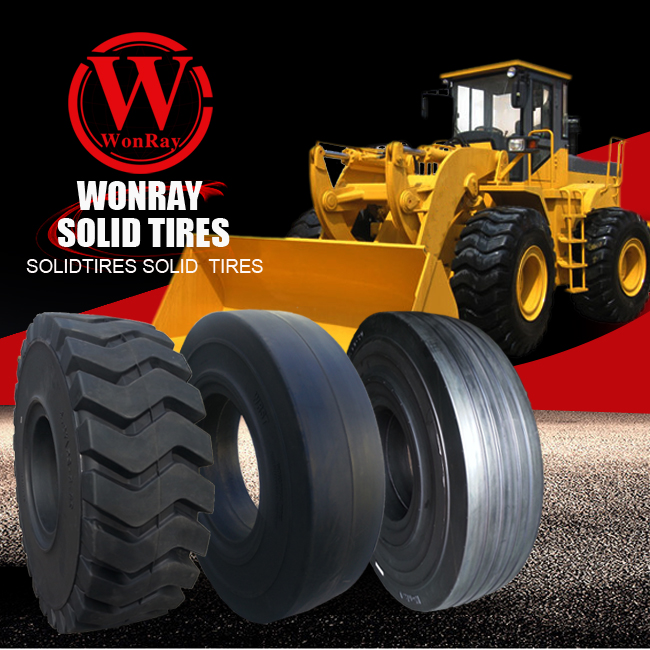
Selecting the Right Skid Steer Solid Rubber Tires
Not all solid tires are created equal. B2B buyers should consider the following factors when selecting tires for their skid steers:
● Load Capacity – Ensure the tire can handle the weight of your equipment and attachments.
● Tread Design – Deep treads provide better traction on loose surfaces, while smoother treads are ideal for indoor operations.
● Durability Requirements – Assess the environment: abrasive concrete surfaces demand harder compounds, whereas softer surfaces may benefit from slightly more flexible rubber.
● Brand Reputation and Warranty – Reliable suppliers offer warranties and tested performance metrics, ensuring peace of mind for long-term operations.
Choosing the wrong tire can lead to operational inefficiencies, higher maintenance costs, and even safety risks. Proper evaluation is essential for maximizing ROI.
Industry Applications for Skid Steer Solid Rubber Tires
Skid steer solid rubber tires are used in multiple sectors, demonstrating their versatility:
● Construction Sites – Navigate debris, gravel, and rough terrain without risk of flats.
● Landscaping and Agriculture – Operate on soil, mulch, and grass with minimal surface damage.
● Warehousing and Material Handling – Ideal for indoor concrete floors where stability and precision are critical.
● Recycling and Waste Management – Withstand abrasive conditions and heavy loads without frequent replacements.
For B2B buyers managing fleets of skid steers, selecting solid rubber tires tailored to each application ensures consistent performance and operational safety.
Maintenance Tips for Longevity
Even though solid tires are low-maintenance, following some best practices extends their lifespan:
● Regularly clean tires to remove embedded debris.
● Inspect tread and sidewalls for unusual wear patterns.
● Ensure correct mounting and alignment for even wear.
● Rotate tires when applicable to balance load distribution.
Adhering to these simple practices ensures optimal performance and protects your investment.
Conclusion
Skid steer solid rubber tires represent a strategic investment for businesses that prioritize efficiency, safety, and cost savings. Their durability, puncture resistance, and stable performance make them a superior choice for varied industrial applications. By selecting the right tires and maintaining them properly, companies can minimize downtime, reduce long-term costs, and maximize productivity. For B2B buyers, understanding the value of solid rubber tires is key to enhancing operational reliability and supporting heavy-duty equipment in challenging environments.
FAQ
Q1: How do solid rubber tires compare to pneumatic tires in terms of cost?
● While the initial investment may be higher, solid rubber tires reduce maintenance costs, prevent downtime, and last longer, providing better ROI over time.
Q2: Can solid tires be used on all skid steer models?
● Most models support solid tires, but it’s important to check compatibility with load capacity, wheel size, and operating conditions.
Q3: Are solid rubber tires suitable for indoor use?
● Yes, they provide stable traction and minimize floor damage, making them ideal for warehouses and manufacturing facilities.
Q4: How can businesses ensure the longest lifespan for solid rubber tires?
● Proper installation, regular inspection, cleaning, and choosing the correct tread and compound for the application are critical for longevity.
Post time: 14-01-2026