
In the rapidly evolving field of tire technology, solid tires have become a reliable and durable alternative to traditional pneumatic tires. With the expanding use of industrial and commercial vehicles, the performance, durability, and sustainability of solid tires have become increasingly important. Whether for heavy-duty forklifts, skid-steer loaders, or construction equipment, solid tires offer irreplaceable advantages. Advancements in solid tire technology have enabled innovative designs that meet specific operational needs and deliver superior performance across various terrains. This article explores the top trends in solid tires expected to dominate the market by 2026 and highlights their practical value for industrial users and businesses.
The Evolution of Solid Tires
Solid tires, also known as flat-proof tires, contain no air and are made of solid rubber or polyurethane. Initially designed for industrial and heavy-duty applications, they solved the common problems of punctures and blowouts associated with pneumatic tires. Over the past decade, solid tires have undergone significant technological advancements, including improved wear resistance, better traction, and enhanced operational stability. Modern solid tires are suitable for indoor warehouse operations, as well as mining, construction sites, and other harsh environments, making them a preferred choice for industrial vehicles.
The evolution of solid tires is also reflected in materials science and design innovations. By utilizing advanced composite materials and rubber formulations, manufacturers produce tires that withstand high temperatures, resist wear, and tolerate chemical exposure. These improvements extend tire life, reduce downtime, and lower maintenance costs, enhancing overall equipment efficiency.
Enhancing Performance with Advanced Materials
A major trend in solid tire technology is the use of advanced materials to improve durability and performance. High-performance polymers, polyurethane composites, and modified rubber compounds allow tires to maintain strength while enhancing flexibility and traction. Compared to conventional rubber, composite solid tires perform better in terms of load capacity and wear resistance, making them ideal for heavy-duty forklifts, construction machinery, and industrial transport vehicles.
● Improved wear resistance: High-performance materials ensure lower wear even after extended use.
● Enhanced traction: Tires maintain stability and control on slippery or uneven surfaces.
● High temperature and chemical resistance: Reliable performance in hot environments or in contact with industrial chemicals.
● Reduced maintenance costs: Durable materials reduce the frequency of tire replacement, lowering overall operational costs.
Through material innovations, solid tires meet modern industrial demands for high efficiency, low cost, and reduced operational risk, making them essential components of industrial vehicles.
Sustainability and Eco-Friendly Solutions
With growing global attention on environmental protection, solid tire manufacturers are increasingly emphasizing sustainability. Using recyclable materials and green manufacturing processes reduces the environmental impact of tire production and disposal while enhancing corporate responsibility.
● Recyclable materials: Rubber or polyurethane that can be recycled reduces tire waste.
● Energy-efficient production: Optimized processes lower energy consumption and improve efficiency.
● Long-life design: Extended tire lifespan reduces replacement frequency and resource consumption.
● Green logistics: Lightweight and efficient designs help reduce carbon emissions during transportation and storage.
Focusing on sustainability helps companies comply with regulations, gain customer trust, and achieve long-term business value.
Applications of Innovative Solid Tires
Solid tires’ versatility supports efficiency across various industrial and commercial operations:
● Warehouse and logistics: Forklifts, pallet trucks, and stackers use solid tires to minimize blowouts and enhance workplace safety.
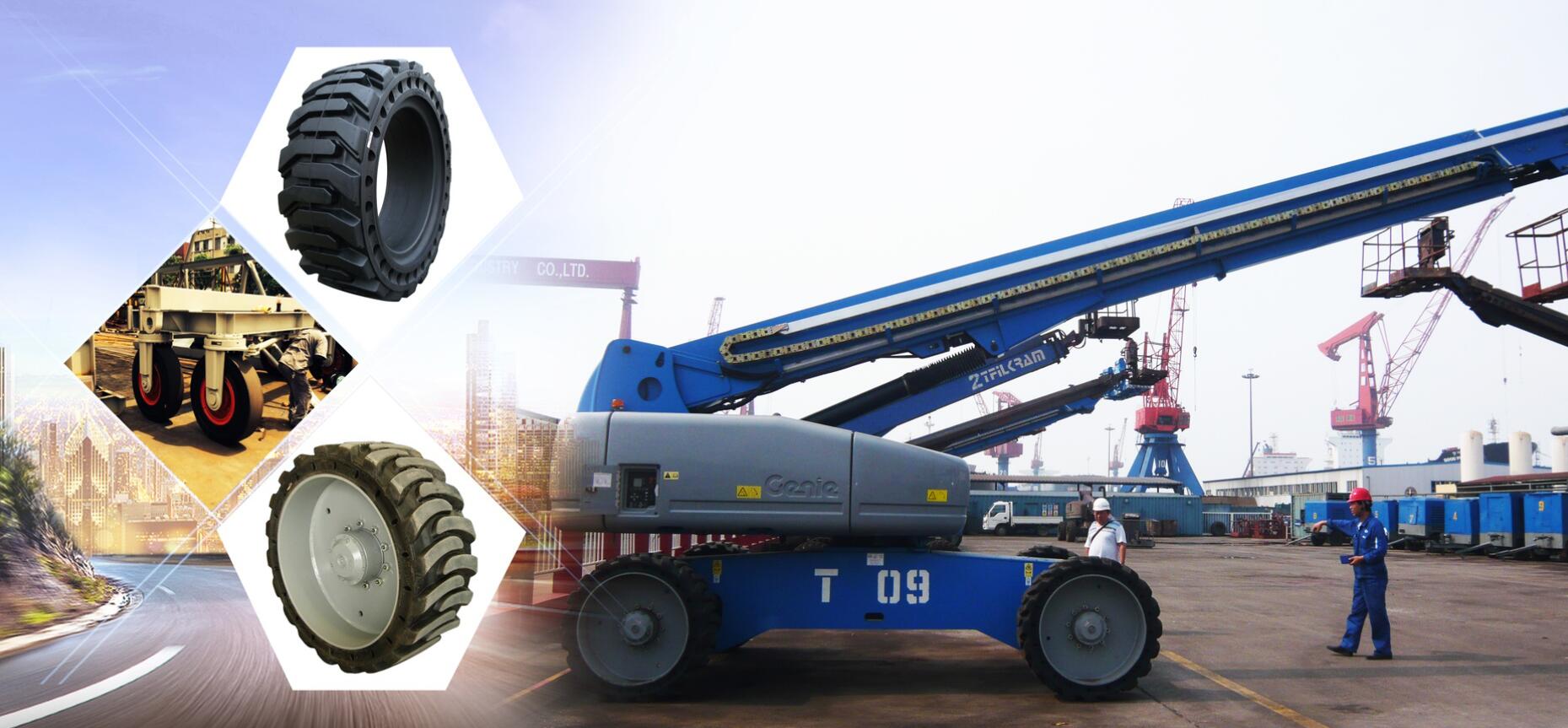
● Construction sites: Skid-steer loaders, bulldozers, and compact cranes operate reliably on muddy, rocky, or uneven terrain.
● Mining and heavy industry: Solid tires withstand harsh conditions in mines, steel plants, and other industrial environments, reducing downtime.
● Indoor production lines: Low-noise solid tires provide smooth, stable operation in factories and production facilities.
FAQ
● What are the main advantages of solid tires compared to pneumatic tires?
Solid tires are puncture-resistant, have a longer service life, reduce downtime, and provide higher stability, making them ideal for heavy-duty and continuous operations.
● How do innovative solid tires improve performance?
Through advanced materials and proprietary designs, solid tires deliver superior traction, handling, and durability, performing consistently across various terrains.
● Are solid tires suitable for different types of vehicles and equipment?
Yes, they can be customized for forklifts, skid-steer loaders, industrial machinery, and even some specialty vehicles, with a wide range of options to meet specific needs.
● How can I extend the lifespan of solid tires?
Regular inspections, adhering to load limits, maintaining proper operating conditions, and avoiding excessive impact are key to prolonging tire life.
Conclusion and Recommendations
In conclusion, advancements in solid tire technology are shaping the future of industrial tire applications, offering improved performance, durability, and sustainability. When selecting solid tires, companies should consider factors such as durability, performance, operating environment, and environmental impact to maximize return on investment. Whether seeking high-efficiency operations, operational safety, or eco-friendly solutions, solid tire trends in 2026 and beyond can meet diverse industrial needs. By staying informed about the latest innovations, businesses can improve operational efficiency and maintain a competitive advantage in a rapidly evolving market.
Post time: 22-12-2025