
Industrial wheel loaders play a crucial role in various heavy-duty applications, from construction sites to mining operations. These machines are designed to handle large volumes of materials, including dirt, gravel, and heavy debris. The performance of an industrial wheel loader heavily depends on the quality and durability of its wheels. Industrial wheel loader wheels are vital components that ensure smooth operation, stability, and efficiency in demanding environments. Selecting the right wheels is essential for maximizing equipment performance and minimizing downtime.
This article will explore the importance of choosing the right industrial wheel loader wheels, key factors to consider, and how they impact overall operational success.
Key Features of Industrial Wheel Loader Wheels
Industrial wheel loader wheels are designed to withstand tough conditions and perform under high stress. Several factors make these wheels crucial for optimal loader functionality:
1. Durability and Strength
Industrial wheel loader wheels are built to last and handle extreme conditions. They are designed with materials that offer resistance to abrasion, impacts, and stress from heavy loads. Durability is a top priority as loaders are frequently used in environments that are harsh and demanding.
• Abrasion Resistance: These wheels are made to resist wear and tear from rough terrain, construction debris, and heavy material handling.
• Impact Resistance: Built to absorb the stresses of heavy loads and high-impact operations, ensuring consistent performance.
2. Load-Bearing Capacity
Wheel loaders are designed to lift and transport heavy loads, which places substantial strain on the wheels. Industrial wheel loader wheels need to have a high load-bearing capacity to ensure safe operation under such conditions.
• Heavy Duty Load Handling: These wheels support the loader’s full load capacity without compromising stability or performance.
• Efficiency in Material Handling: Properly designed wheels ensure smooth lifting and transport of materials, improving loader productivity.
3. Traction and Stability
Traction is essential for wheel loaders, especially when operating on loose, uneven, or slippery surfaces. A wheel with proper tread design and traction ensures better stability and control, reducing the risk of accidents.
• Traction on Rough Terrain: The right wheels provide sufficient grip, ensuring that the loader can move efficiently over challenging surfaces.
• Stable Movement: Enhanced stability through the wheels’ design ensures smooth loader movement and reduces the chances of tipping.
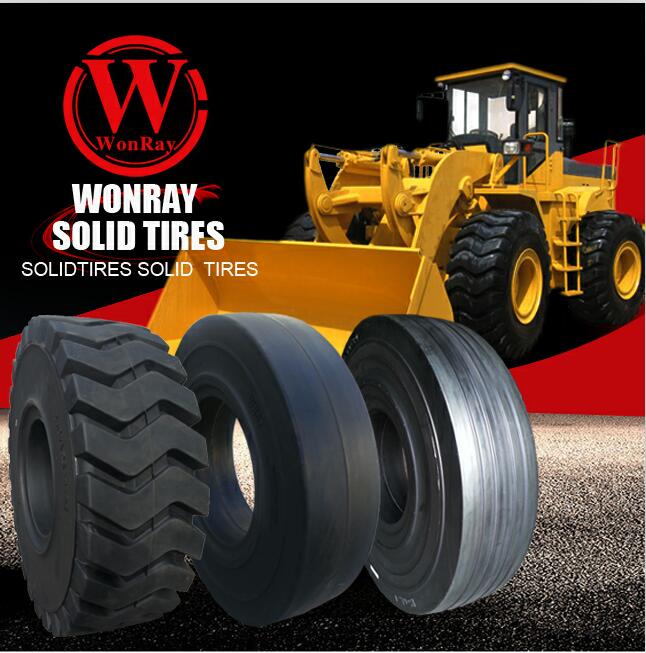
4. Low Maintenance Requirements
Wheel loaders are used in demanding environments, and maintenance is a critical aspect of keeping the machine operational. The right industrial wheel loader wheels reduce downtime and maintenance costs by being more resistant to damage and wear.
• Reduced Maintenance Costs: Choosing durable, high-performance wheels reduces the frequency of replacements and maintenance activities.
• Improved Uptime: Fewer maintenance issues lead to fewer interruptions in operations, enhancing overall productivity.
5. Versatility and Adaptability
Industrial wheel loader wheels must be adaptable to various terrains and operational environments. From muddy construction sites to rocky mining fields, the ability of the wheels to perform in different settings is a crucial factor to consider.
• Versatile Use Across Applications: These wheels are versatile enough to be used in different environments, offering flexibility to businesses with diverse needs.
• Adaptability to Weather Conditions: High-quality wheels perform well in various weather conditions, including wet, dry, or freezing temperatures.
Selecting the Right Industrial Wheel Loader Wheels
When selecting the right wheels for an industrial wheel loader, several factors need to be considered to ensure they meet the specific needs of the application.
1. Wheel Size and Compatibility
It is essential to select wheels that are compatible with the specific model of the wheel loader. The wheel size must be appropriate to ensure proper fit and performance. Manufacturers often provide specifications for wheel sizes based on the loader’s capacity and application requirements.
• Compatibility with Loader Model: Always refer to the manufacturer’s guidelines to ensure the correct wheel size.
• Match Load Capacity: Choose wheels with a load capacity that matches or exceeds the requirements of your loader.
2. Tread Design
The tread design of industrial wheel loader wheels is an important factor in ensuring proper traction and performance. The right tread pattern allows the wheels to grip the surface effectively, especially when operating on uneven or slippery terrain.
• Deep Treads: Ideal for rough terrains, providing better grip and reducing slippage.
• Flat Treads: Suitable for smooth surfaces, ensuring stable operation and longer tire life.
3. Material Selection
The material used for industrial wheel loader wheels greatly impacts their durability and performance. Most industrial wheels are made from steel or high-quality rubber compounds to withstand wear, punctures, and environmental damage.
• Rubber-Coated Steel Wheels: Offer durability with a balance between cost and performance.
• Polyurethane Wheels: Provide enhanced durability and resistance to harsh conditions, especially for high-load operations.
4. Environmental Conditions
Consider the environment in which the loader will be used. Harsh weather conditions, such as extreme cold or heat, can impact wheel performance. Make sure to select wheels designed to handle specific environmental conditions.
• Weather-Resistant Wheels: Some wheels are designed to perform well in extreme weather conditions, including freezing or excessively hot environments.
• Corrosion-Resistant Materials: For environments with exposure to moisture or chemicals, corrosion-resistant wheels can prevent damage over time.
5. Cost vs. Quality
While it may be tempting to opt for lower-cost options, investing in high-quality industrial wheel loader wheels can save money in the long run. High-performance wheels offer longer service life, lower maintenance costs, and fewer replacements, making them a more cost-effective choice.
• Long-Term Investment: Higher upfront costs are offset by reduced downtime and extended wheel lifespan.
• Total Cost of Ownership: Consider all factors, including maintenance and replacement costs, when evaluating the price of the wheels.
Conclusion
In summary, selecting the right industrial wheel loader wheels is essential for ensuring the safety, performance, and efficiency of your machinery. Factors such as durability, load-bearing capacity, traction, maintenance requirements, and compatibility should all be considered when making your decision. Solid, well-engineered wheels contribute to reduced downtime, improved productivity, and long-term cost savings.
Businesses that prioritize quality and performance when selecting wheels for their industrial equipment will experience fewer operational disruptions and better overall machinery performance. Investing in high-quality wheels tailored to your specific operational environment will ensure that your industrial wheel loader performs efficiently and reliably for years to come.
FAQ
1. How do I determine the correct size for my wheel loader wheels?
The correct size is based on the loader model’s specifications. Always refer to the manufacturer’s guidelines for the recommended wheel size to ensure proper fit and functionality.
2. Can solid wheels be used in all environments?
Yes, solid wheels are highly versatile and can perform in various environments, including harsh outdoor conditions and smooth indoor surfaces, as long as the correct tread design is selected.
3. How do industrial wheel loader wheels improve safety?
The right wheels provide better traction, stability, and load distribution, reducing the risk of tipping and enhancing overall safety, especially in rough or uneven terrains.
4. Are industrial wheel loader wheels costly to maintain?
No, solid industrial wheels require less maintenance compared to pneumatic tires, which need regular inflation and repairs. This makes solid wheels a more cost-effective option in the long run.
Post time: 18-03-2026