
In industrial and construction operations, vehicle reliability is critical for productivity, safety, and efficiency. One of the most important components that ensure equipment performs at its best is the heavy-duty tire. Designed to withstand extreme loads, rough terrain, and challenging conditions, heavy-duty tires are a vital investment for B2B operators seeking to maximize fleet performance.
What Are Heavy-Duty Tires?
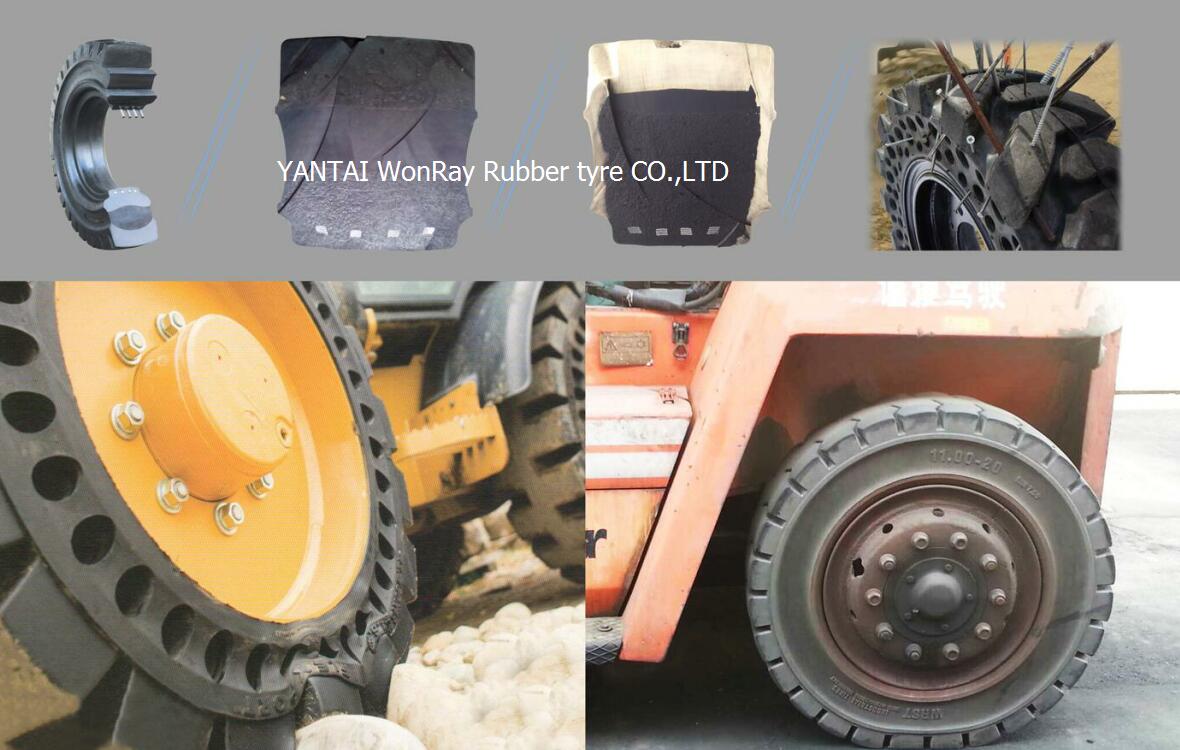
Heavy-duty tires are specialized tires engineered to handle significant weight, harsh environments, and continuous operation. They are commonly used in:
● Construction equipment such as loaders, excavators, and dump trucks.
● Industrial vehicles including forklifts, port machinery, and heavy-duty trucks.
● Mining and logging vehicles operating on uneven, rocky, or muddy terrain.
These tires differ from standard tires in their robust construction, tread design, and material composition, providing durability and stability under extreme conditions.
Key Features of Heavy-Duty Tires
Heavy-duty tires are distinguished by several features that make them ideal for demanding industrial applications:
● Reinforced Rubber Compounds – Engineered to resist cuts, punctures, and heat.
● Deep, Aggressive Tread Patterns – Ensure superior traction on rough or loose surfaces.
● High Load Capacity – Designed to support heavy machinery without deformation.
● Heat and Abrasion Resistance – Maintain performance during long operation hours and in high-temperature environments.
● Enhanced Sidewall Strength – Protects against impacts, side punctures, and wear.
These features collectively ensure safety, operational continuity, and longevity for industrial fleets.
Benefits of Heavy-Duty Tires for B2B Operators
Investing in heavy-duty tires offers several tangible benefits for industrial and construction operations:
● Improved Safety – Strong traction and reinforced structure reduce the risk of accidents caused by tire failure.
● Reduced Downtime – Durable tires minimize unexpected breakdowns, keeping operations running smoothly.
● Cost Efficiency – While initial investment may be higher, long-term savings are realized through extended tire life and reduced maintenance.
● Enhanced Equipment Performance – Proper tires improve stability, handling, and operational efficiency.
● Versatility – Suitable for various terrains, including asphalt, gravel, mud, and uneven surfaces.
For B2B operators, these benefits translate into higher productivity, lower operational costs, and better return on investment.
Applications of Heavy-Duty Tires
Heavy-duty tires are used across multiple sectors where vehicle performance and safety are critical:
● Construction Sites – Excavators, loaders, and dump trucks rely on these tires for traction and load support.
● Mining Operations – Mining trucks and equipment operate safely on rocky, uneven terrain with reinforced heavy-duty tires.
● Forestry – Logging vehicles traverse muddy and rough terrain without risking tire damage.
● Port and Shipping Yards – Heavy-duty tires help forklifts and container handlers operate efficiently under high loads.
● Industrial Warehousing – Large forklifts and material handling vehicles use heavy-duty tires for indoor and outdoor operations.
Each application highlights the importance of matching tire specifications to operational requirements for maximum safety and efficiency.
Choosing the Right Heavy-Duty Tire
Selecting the ideal heavy-duty tire involves several considerations:
● Load Requirements – Ensure the tire can support the vehicle’s weight and cargo.
● Terrain Type – Choose treads designed for the specific surfaces the equipment will operate on.
● Environmental Conditions – Consider temperature extremes, exposure to chemicals, or rough surfaces.
● Vehicle Type and Speed – Different vehicles have varying demands for traction, stability, and durability.
● Manufacturer Reputation – Reliable suppliers provide technical support, warranties, and maintenance guidance.
A strategic selection ensures that tires meet operational demands while providing long-term cost savings.
Technological Advancements in Heavy-Duty Tires
Recent innovations in heavy-duty tires have significantly improved their performance and safety:
● Smart Tire Monitoring Systems – Sensors track tire pressure, temperature, and wear in real-time, preventing failures.
● Eco-Friendly Compounds – Durable materials that reduce environmental impact without compromising performance.
● Customized Tread Patterns – Tailored for specific terrains, machinery, and operational conditions.
● Enhanced Shock Absorption – Reduces stress on both equipment and operators during prolonged use.
These technologies help modern industrial operations optimize safety, performance, and maintenance planning.
Future Trends in Heavy-Duty Tire Design
The heavy-duty tire industry continues to evolve with innovations focused on efficiency, sustainability, and operational intelligence:
● Integration with Fleet Management – Real-time tire data improves maintenance schedules and reduces unplanned downtime.
● Advanced Materials – Lighter, stronger, and more environmentally friendly compounds.
● Hybrid Designs – Combining solid and pneumatic tire advantages for specific industrial applications.
● Predictive Maintenance Technology – AI-driven monitoring predicts wear patterns, extending tire lifespan.
These trends indicate that heavy-duty tires will continue to play a critical role in industrial fleet optimization.
Conclusion
Heavy-duty tires are indispensable for industrial and construction operations. Their durability, traction, and load-bearing capacity ensure safety, reduce downtime, and improve overall fleet performance. By understanding their features, applications, and technological advancements, B2B operators can make informed decisions, optimize operational efficiency, and achieve long-term cost savings. Investing in the right heavy-duty tires is not just a choice—it is a strategic business decision that impacts productivity, safety, and profitability.
FAQ
Q1: What makes a tire heavy-duty?
A1: Heavy-duty tires are designed with reinforced rubber, deep treads, and enhanced sidewalls to handle extreme loads, rough terrain, and continuous operation.
Q2: Which industries benefit most from heavy-duty tires?
A2: Construction, mining, forestry, ports, shipping yards, and industrial warehousing all rely on heavy-duty tires for safety and performance.
Q3: How do heavy-duty tires reduce operational costs?
A3: Their durability minimizes downtime and maintenance, extends tire life, and improves equipment performance, saving money in the long term.
Q4: Are there technological innovations in heavy-duty tires?
A4: Yes. Smart monitoring systems, eco-friendly compounds, custom tread designs, and predictive maintenance technology are some of the latest innovations.
Post time: 05-02-2026