
Airport ground operations involve a wide range of vehicles that support aircraft turnaround, passenger movement, baggage handling, and cargo transportation. Although these vehicles work within the same airport environment, their functions, operating patterns, and mechanical requirements can differ significantly. A passenger boarding vehicle does not perform the same task as a baggage tractor or a cargo transport vehicle, and these differences influence the tires each machine requires.
GSE Vehicle Tires are an important part of this operating system because they connect ground support equipment with the airport’s working surfaces. Understanding how passenger, baggage, and cargo operations differ helps explain why tire requirements should be assessed according to equipment function rather than treated as a single airport-wide specification.
Tire Requirements in Passenger Service Operations
Passenger service equipment includes vehicles and mobile platforms used to help passengers board and leave aircraft. Depending on the airport, this equipment may include passenger stairs, boarding lifts, and specialized access vehicles. Passenger boarding stairs, for example, must move into position near an aircraft and remain stable during use. Their operating requirements involve controlled positioning, suitable load support, and compatibility with the vehicle’s chassis and wheel arrangement. The tire configuration must also allow the equipment to maneuver within the space available around an aircraft stand.
Passenger lifts and other access vehicles may have different weight distributions because of their lifting mechanisms and elevated platforms. When a platform changes position, the loads acting on the vehicle can also change. Tire selection must therefore follow the equipment manufacturer’s specifications and the approved operating limits of the complete machine. For GSE Vehicle Tires, passenger service applications demonstrate the importance of matching tire specifications to the equipment’s structural design, positioning tasks, and load conditions. A tire suitable for a mobile boarding platform may not automatically be appropriate for a vehicle designed for continuous transportation.
Baggage Handling and the Demands of Repeated Movement
Baggage operations depend on coordinated movement between passenger terminals, sorting areas, aircraft stands, and loading equipment. Baggage tractors tow trains of carts, while other ground support vehicles transport containers or support loading and unloading activities. These tasks create different demands from those encountered in passenger access operations.
Baggage tractors often perform repeated trips along established routes. They accelerate, brake, turn, and reconnect with carts throughout a working shift. Their tires must be compatible with the vehicle’s drive system, axle loads, steering arrangement, and approved towing conditions. The carts being towed also affect how the tractor operates. The combined train length, turning path, and distribution of transported baggage influence maneuvering requirements. Although the tractor’s tires do not independently determine the performance of the entire train, their compatibility with the vehicle helps support predictable movement.
Baggage-handling equipment may also move between indoor terminal areas and outdoor aprons. Where this occurs, tire suitability should be evaluated against the surfaces and conditions the vehicle is approved to encounter. Equipment operating mainly indoors may have different requirements from vehicles that regularly cover longer outdoor routes. For GSE Vehicle Tires, baggage handling highlights the relationship between tire suitability and repeated operational cycles. Rather than focusing only on a single load, operators need to consider the vehicle’s regular movement pattern and how the tire configuration supports its assigned work.
Cargo Operations and Specialized Transport Equipment
Airport cargo operations involve transporting freight, containers, and pallets between warehouses, handling facilities, and aircraft loading areas. Equipment may include cargo tractors, transport platforms, and specialized vehicles designed to move standardized cargo units. Their tire requirements depend on the equipment’s construction and the way loads are supported and transferred. Cargo vehicles may carry different load configurations throughout the day. A transport platform designed for palletized freight, for example, may distribute weight differently from a vehicle transporting individual cargo containers. The equipment’s axle arrangement and rated capacity determine how these loads should be supported.
Cargo handling can also involve equipment designed to align precisely with loading systems. In these applications, tire dimensions and wheel configuration must remain compatible with the vehicle’s intended height, clearance, and movement requirements. The main considerations vary by equipment type:
- Cargo tractors: Tire specifications should match the vehicle’s drive arrangement, axle loads, steering system, and approved towing conditions. The operating requirements of the tractor should be assessed separately from those of the carts it pulls.
- Cargo transport platforms: The tire and wheel assembly must support the platform’s rated loads and suit its wheel layout. Load distribution and the intended method of moving cargo are important when verifying compatibility.
- Specialized loading vehicles: Tire dimensions and construction must correspond to the vehicle’s mechanical design, operating limits, and positioning requirements. Any replacement should be checked against the manufacturer’s specifications.
These differences show why GSE Vehicle Tires cannot be evaluated solely by the weight of the cargo. Vehicle design, load transfer, wheel arrangement, and the intended handling process all contribute to determining an appropriate tire configuration.
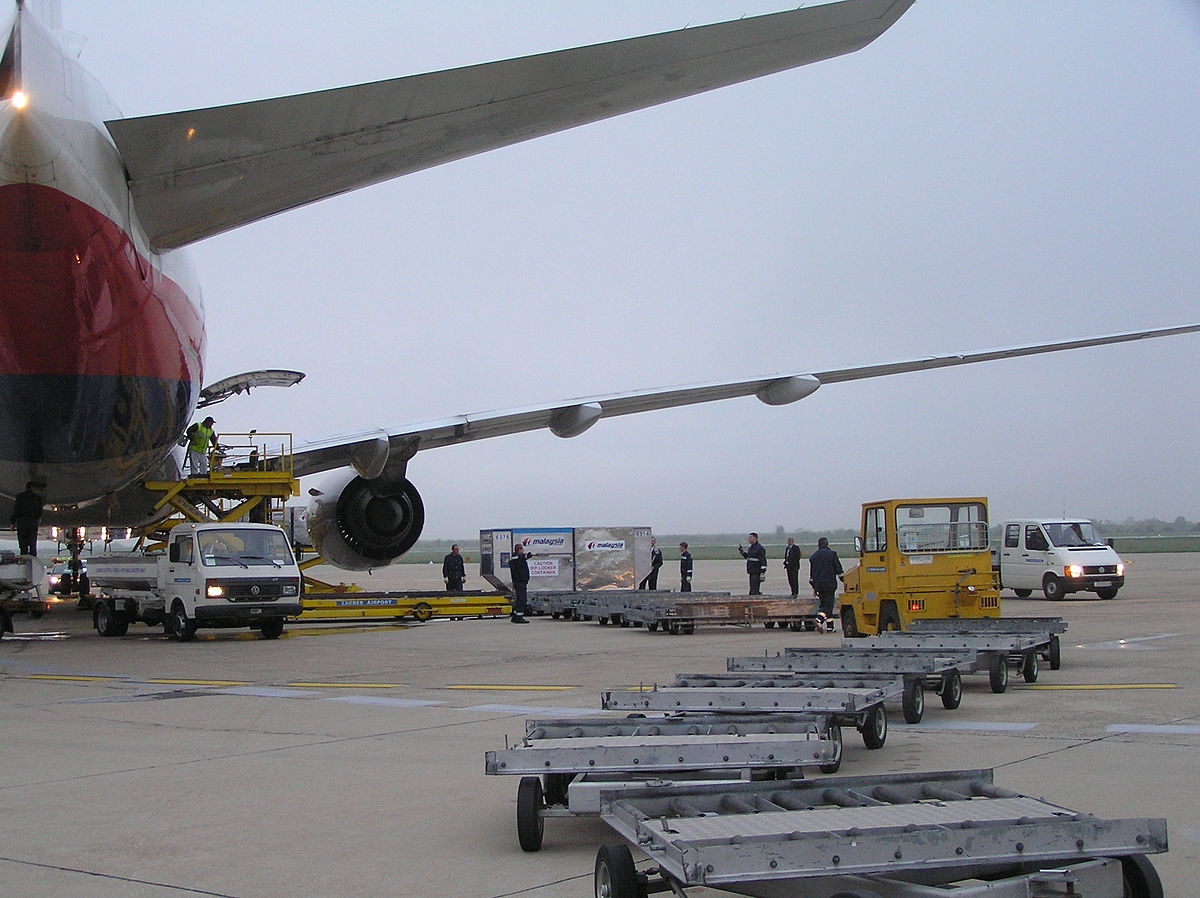
Differences in Movement Patterns Across Airport Operations
Passenger service equipment often performs controlled positioning near aircraft or terminal access points. Baggage tractors generally make repeated trips between defined locations, while cargo vehicles may operate between warehouses, handling systems, and apron-side loading areas. Some equipment travels frequently, whereas other machines spend substantial time waiting or positioning loads.
These patterns affect more than travel distance. The frequency of starts and stops, steering movements, towing activities, and loading cycles can differ between equipment categories. As a result, two vehicles with similar rated capacities may experience different operating demands. Airport operators should therefore evaluate tire suitability alongside the equipment’s normal duty cycle. Relevant information includes typical loads, movement frequency, towing requirements, travel routes, and the surfaces encountered during approved operation. This provides a more useful basis for comparison than grouping all airport vehicles under one general category.
The role of GSE Vehicle Tires becomes clearer when tire requirements are considered in the context of actual equipment use. The goal is not to find a universal tire for every airport vehicle, but to identify a suitable configuration for each machine’s function and operating conditions.
Managing Tire Specifications Across Different Equipment Types
An airport fleet may include equipment from several manufacturers, with different wheel arrangements and technical specifications. Each vehicle should have a documented tire specification that identifies the approved size, construction, wheel position, rim requirements, load rating, and applicable speed limits. Where a vehicle uses different tires on steering and drive positions, those differences should be recorded clearly.
Standardization can be useful when several machines share compatible designs. However, using one tire specification across an entire fleet is not appropriate if equipment requirements differ. A tire that fits one vehicle physically may still be unsuitable for another because of differences in wheel assembly design, loading, or operating limits.
Before replacing a tire, maintenance personnel should verify the vehicle model and original specifications. If an alternative is being considered, compatibility should be confirmed through the equipment or tire manufacturer rather than inferred from similar dimensions. For airport operators comparing GSE Vehicle Tires, this documented approach supports consistent maintenance while preserving the differences required by passenger, baggage, and cargo operations.
Choosing Tires to Support Airport Ground Operations
Passenger access vehicles, baggage tractors, and cargo transport equipment each have distinct mechanical and operational requirements, so their tire specifications should be assessed individually. When reviewing available industrial tire options, operators can compare the equipment’s technical requirements with the dimensions, construction, load capacity, and operating limits of each candidate. Suppliers such as WonRay offer industrial tire options that can be evaluated for different equipment applications, subject to confirmation of the specific vehicle’s requirements.
This approach keeps tire selection connected to real operational needs. It also helps maintenance teams distinguish between components that can be used across compatible vehicles and those that require a specific configuration.
Conclusion
Passenger service, baggage handling, and cargo transportation place different demands on airport ground support equipment. Vehicle structure, movement patterns, load distribution, and wheel configuration all influence tire requirements.
Selecting GSE Vehicle Tires according to each machine’s function provides a more reliable basis for equipment management than applying one specification across the entire airport. By verifying compatibility and following manufacturer requirements, airport operators can support consistent ground operations across different equipment categories.
FAQs
1. Are GSE tires interchangeable between baggage and cargo vehicles?
Not automatically. Compatibility depends on tire dimensions, wheel assembly design, load ratings, speed limits, and the specifications approved for each vehicle.
2. Why do passenger service vehicles have different tire requirements?
Their platform structures, positioning tasks, wheel arrangements, and load conditions may differ from those of vehicles designed primarily for towing or cargo transportation.
3. What should be checked before replacing a GSE tire?
Confirm the vehicle model, original tire specification, wheel position, rim compatibility, load rating, speed limit, and applicable operating requirements.
4. Can one tire specification cover an entire airport fleet?
Only if all relevant vehicles have compatible technical requirements. Fleet standardization should not override the specifications of individual equipment types.
Post time: 26-10-2026