
Press on band tires play a vital role in modern material handling, offering a balance of durability, stability, and cost efficiency. As industries continue to demand higher productivity and lower maintenance, these solid tires have become a preferred choice for indoor and heavy-duty applications.
In this article, we explore press on band tires from a practical and performance-driven perspective, helping B2B buyers and equipment users better understand their value in real-world operations.
What Are Press On Band Tires and How Do They Work
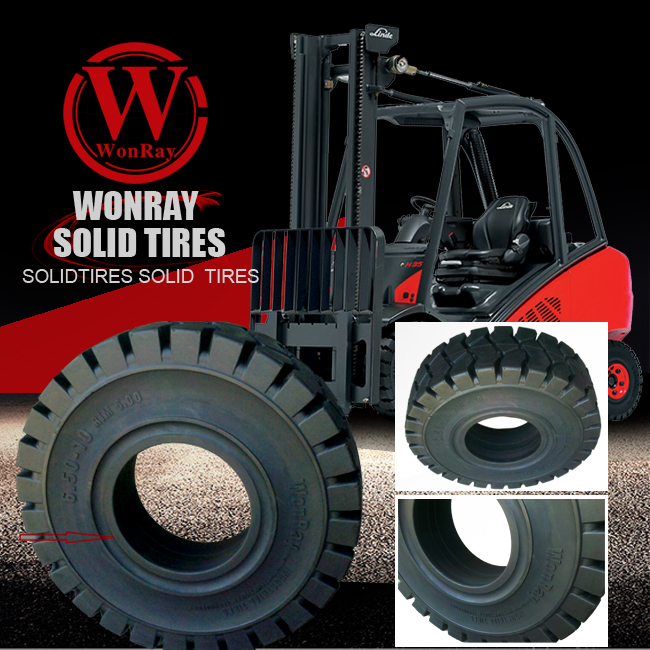
Press on band tires, often referred to as cushion or solid press-fit tires, are manufactured from solid rubber or polyurethane and mounted directly onto a metal wheel core through hydraulic pressing. Unlike pneumatic tires, they do not rely on air pressure, which eliminates the risk of punctures, air leaks, and pressure fluctuations.
Their compact design makes them especially suitable for indoor environments where equipment operates on smooth surfaces such as concrete floors. Because they are directly bonded to the rim, press on band tires provide consistent contact with the ground, ensuring stable movement and precise handling.
From a structural standpoint, these tires are typically composed of multiple layers, including a wear-resistant outer layer and a shock-absorbing inner layer. This layered design enhances both durability and operator comfort.
Key Advantages of Press On Band Tires in Industrial Use
Press on band tires offer a range of performance benefits that directly impact operational efficiency and cost control.
● High durability ensures long service life even under continuous use
● Puncture-proof design eliminates downtime caused by tire damage
● Strong load-bearing capacity supports heavy equipment operations
● Low maintenance reduces labor and operational interruptions
● Consistent traction improves handling and safety in confined spaces
These advantages make them particularly attractive for industries where uptime and reliability are critical.
Why Press On Band Tires Improve Operational Efficiency
In fast-paced industrial environments, equipment downtime can significantly affect productivity. Press on band tires contribute to smoother operations by reducing unexpected failures and simplifying maintenance routines.
Because there is no need to monitor air pressure, operators can focus more on core tasks rather than routine tire checks. Additionally, their stable footprint enhances maneuverability, especially in narrow aisles or high-density storage systems.
Another important factor is their predictable wear pattern. Unlike pneumatic tires, which may wear unevenly due to pressure inconsistencies, press on band tires maintain a uniform wear surface, allowing for better planning of replacement cycles.
Common Applications Across Industries
Press on band tires are widely used across multiple sectors where material handling equipment operates in controlled environments.
● Forklifts used in warehouses and logistics centers
● Pallet trucks and stackers in distribution facilities
● Tow tractors in manufacturing plants
● Ground support equipment in airports
● Compact machinery in construction and industrial workshops
In these applications, the combination of stability and durability ensures reliable performance throughout daily operations.
Press On Band Tires vs Pneumatic Tires
Understanding the difference between press on band tires and pneumatic tires helps businesses make more informed decisions.
| Feature | Press On Band Tires | Pneumatic Tires |
|---|---|---|
| Maintenance | Minimal | Requires regular air checks |
| Puncture Risk | None | High |
| Stability | Excellent | Moderate |
| Shock Absorption | Moderate | High |
| Best Use Environment | Indoor / smooth surfaces | Outdoor / rough terrain |
While pneumatic tires may offer better shock absorption in uneven environments, press on band tires are clearly superior for indoor operations where stability and low maintenance are priorities.
Selecting the Right Press On Band Tires
Choosing the correct press on band tires requires a clear understanding of your equipment and working conditions.
● Match load capacity with equipment weight and usage intensity
● Select rubber or polyurethane based on floor type and wear requirements
● Consider tread patterns for improved traction if needed
● Ensure compatibility with wheel rims and mounting systems
Working with a professional supplier can help optimize tire selection and ensure long-term performance.
Product Selection Recommendations
For businesses aiming to improve efficiency and reduce operating costs, investing in high-quality press on band tires is a strategic decision. Look for products that offer reinforced structures, advanced wear-resistant compounds, and proven performance in industrial environments.
Reliable suppliers typically provide customized solutions based on specific equipment models and application scenarios. This ensures that the tires not only fit perfectly but also deliver optimal results under real working conditions.
Frequently Asked Questions (FAQ)
Q1: How long do press on band tires typically last?
Their lifespan depends on usage conditions, but high-quality press on band tires generally last significantly longer than pneumatic tires in indoor environments.
Q2: Are press on band tires suitable for outdoor use?
They are mainly designed for indoor applications. For rough or uneven outdoor terrain, pneumatic tires are usually more suitable.
Q3: Can press on band tires be replaced easily?
Yes, but they require specialized pressing equipment for installation and removal, so it is recommended to work with professional service providers.
Q4: What is the difference between rubber and polyurethane press on band tires?
Rubber tires offer better shock absorption, while polyurethane tires provide higher wear resistance and longer lifespan on smooth floors.
Conclusion
Press on band tires have become an essential component in modern material handling systems due to their durability, reliability, and low maintenance requirements. Their ability to deliver stable performance in demanding environments makes them a preferred choice for warehouses, factories, and logistics operations.
By selecting the right press on band tires and integrating them into your equipment strategy, businesses can achieve higher efficiency, reduced downtime, and improved overall operational performance.
Post time: 24-03-2026