
Skid steer loaders are essential machines across construction, landscaping, agriculture, and material handling industries. One of the most critical components influencing their performance is the tire. Choosing the best skid steer tires ensures that these versatile machines operate efficiently, safely, and with minimal downtime. High-quality tires not only improve traction and stability but also extend machine life and reduce maintenance costs, making tire selection a vital decision for B2B operators.
Understanding Skid Steer Tires
Skid steer tires are designed to provide stability, traction, and durability for compact loaders that perform heavy-duty tasks in diverse terrains. Unlike traditional vehicles, skid steers rely on their tires for both support and maneuverability, as their steering mechanism uses differential wheel speeds rather than a conventional steering system. This makes tire performance even more critical for operational efficiency.
Key characteristics of skid steer tires include:
● Strong sidewalls to withstand lateral forces during turns and load shifts
● Deep treads for maximum traction on soft, muddy, or uneven surfaces
● Durable rubber compounds that resist cuts, punctures, and abrasions
● Ability to maintain performance under heavy loads and frequent usage
Why Tire Choice Matters for Skid Steer Performance
Tires directly impact a skid steer’s efficiency, safety, and operational cost. The right tires can improve:
● Traction and Stability – High-quality tires enhance grip on different surfaces, allowing operators to move materials safely and efficiently.
● Operational Efficiency – Proper tires reduce slippage and improve fuel economy by optimizing load transfer.
● Durability and Longevity – Strong tires reduce downtime and replacement frequency, lowering total cost of ownership.
● Safety – Reliable traction and stability minimize accidents and damage to both the machine and the worksite.
Selecting the best skid steer tires is particularly important in environments with challenging conditions, such as construction sites with debris, muddy landscaping sites, or rough agricultural fields.
Types of Skid Steer Tires
There are several types of skid steer tires available, each designed for specific applications:
● Pneumatic Tires – Air-filled tires that provide cushioning and smooth rides, ideal for rough terrain but susceptible to punctures.
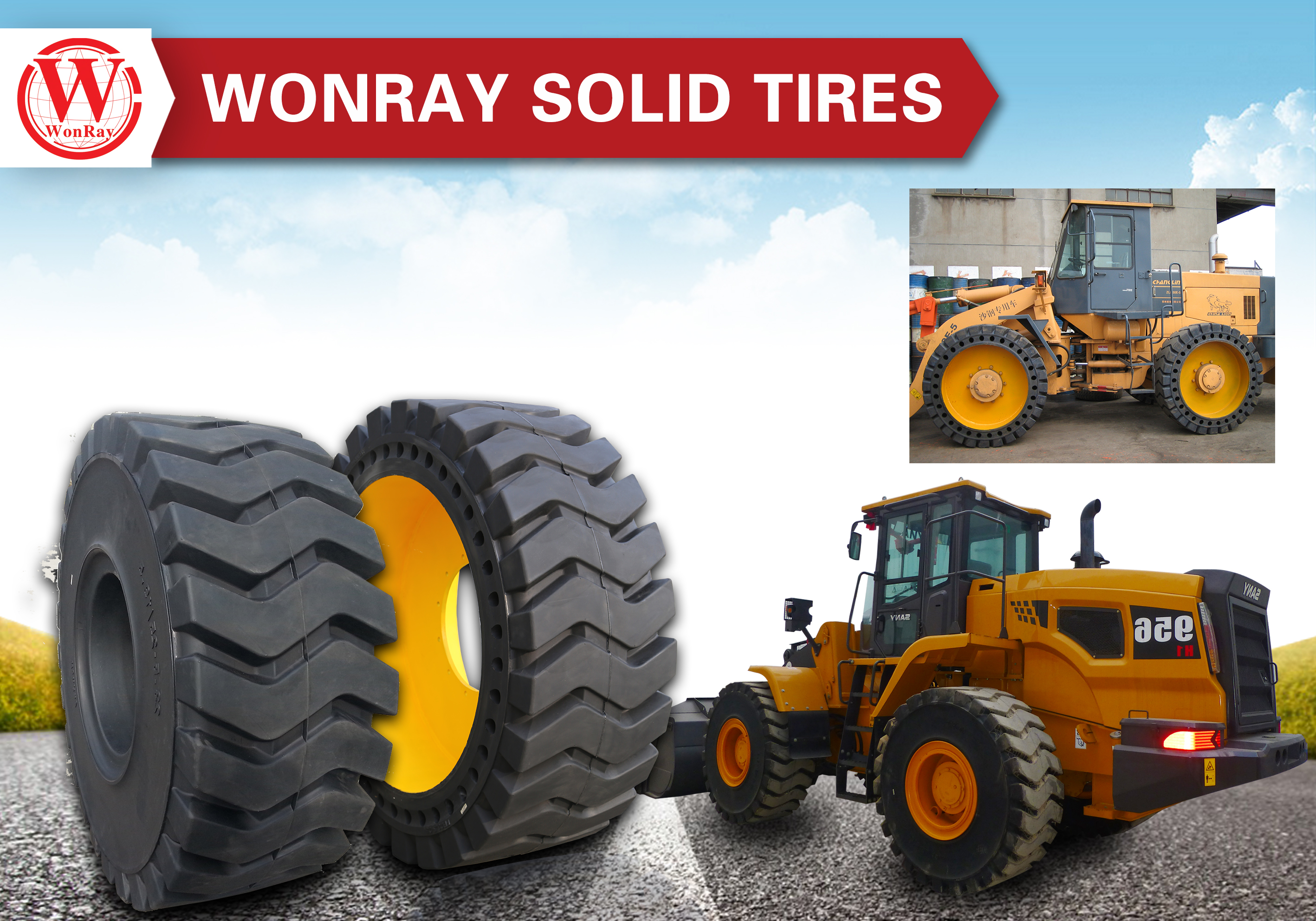
● Solid Tires – Made from solid rubber, they are puncture-proof and durable, perfect for debris-heavy industrial environments.
● Foam-Filled Tires – Pneumatic tires filled with foam to prevent flats, combining some cushioning with puncture resistance.
● Turf Tires – Designed to minimize ground damage while maintaining traction, suitable for landscaping and turf management.
● Industrial/Heavy-Duty Tires – Thick tread and reinforced construction for maximum load-bearing and long-term use in construction or material handling.
Choosing the right type depends on the terrain, load requirements, and operational priorities of your business.
Key Features to Look for in the Best Skid Steer Tires
When selecting the best skid steer tires, B2B operators should evaluate several critical factors:
● Load Capacity – Ensure the tire can handle the skid steer’s maximum operational weight including attachments and cargo.
● Tread Design – Deep, aggressive treads improve traction in mud, gravel, or loose soil, while smoother treads reduce ground damage.
● Durability – High-quality rubber compounds resist cuts, abrasions, and punctures to maximize tire life.
● Sidewall Strength – Reinforced sidewalls prevent blowouts and maintain stability during turning or heavy loads.
● Compatibility – Tires must fit the loader’s rim size and work with any attachments or tracks to maintain performance.
Operational Benefits of Investing in High-Quality Skid Steer Tires
Investing in the best skid steer tires offers tangible operational benefits for B2B businesses:
● Reduced Downtime – Fewer punctures and replacements ensure machines stay operational, increasing productivity.
● Lower Maintenance Costs – Durable tires require less frequent servicing, saving labor and replacement costs.
● Enhanced Machine Performance – Proper traction and stability improve efficiency, reduce fuel consumption, and minimize wear on the loader.
● Worksite Safety – Reliable tires prevent slips, tip-overs, and damage, protecting both operators and materials.
● Versatility Across Applications – High-quality tires can adapt to construction, landscaping, agriculture, and industrial sites, providing flexibility for multi-purpose operations.
Conclusion
Selecting the best skid steer tires is essential for maximizing machine performance, safety, and cost efficiency. High-quality tires provide durability, traction, and stability across various terrains, while reducing maintenance requirements and downtime. For B2B operators, investing in the right tires not only protects valuable equipment but also ensures that skid steers operate at peak efficiency, delivering reliable performance in demanding industrial environments.
FAQ
Q1: What makes a tire the best choice for skid steer loaders?
A: The best skid steer tires offer a combination of durability, traction, stability, load capacity, and suitability for the specific work environment.
Q2: Are solid tires better than pneumatic tires for all applications?
A: Solid tires excel in debris-heavy and industrial environments due to puncture resistance, while pneumatic tires offer more cushioning for rough terrains and smoother rides.
Q3: How often should skid steer tires be replaced?
A: Replacement frequency depends on terrain, load, and tire type, but high-quality tires typically last longer, reducing downtime and overall costs.
Q4: Can the same skid steer tires be used for construction and landscaping sites?
A: Some high-quality industrial or all-terrain tires provide versatility for multiple environments, but specialized tires may be preferred for turf or delicate landscaping to prevent ground damage.
Post time: 10-03-2026