
Choosing the right tires for industrial and material handling equipment is a crucial decision that affects performance, safety, and long-term costs. One of the most common questions in this regard is: “Are solid tires worth it?” Solid tires, made entirely from solid rubber, offer unique advantages compared to traditional pneumatic tires. This article explores the benefits, considerations, and real-world applications of solid tires to help businesses determine if they are the right investment for their operations.
Understanding Solid Tires
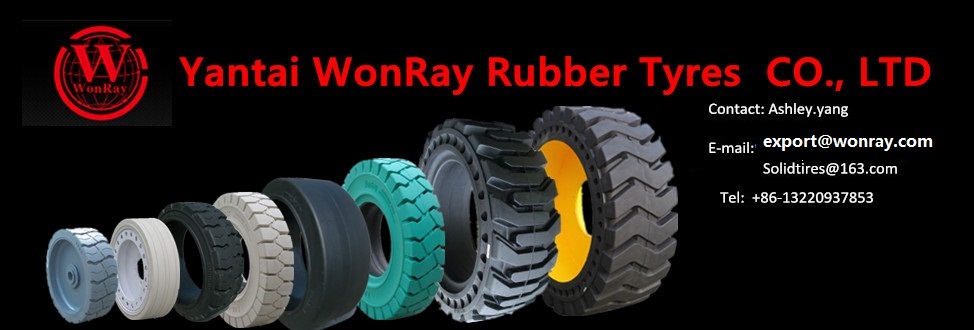
Solid tires are constructed from a single piece of rubber and do not contain air, unlike pneumatic tires that rely on air pressure for cushioning. This makes solid tires extremely durable, puncture-resistant, and virtually maintenance-free. They are widely used in forklifts, scissor lifts, industrial tuggers, and heavy-duty equipment that operate in warehouses, factories, construction sites, and other challenging environments.
Key Features of Solid Tires
● Puncture Resistance: Solid tires cannot be punctured, making them ideal for environments with debris, nails, or sharp objects.
● Durability: They are built to withstand heavy loads and continuous operation, offering long service life.
● Minimal Maintenance: Unlike pneumatic tires, solid tires do not require air pressure checks, patching, or frequent replacements.
● Stability: Solid tires provide excellent stability for lifting, stacking, and moving heavy loads.
These features make solid tires a reliable choice for businesses that prioritize durability and operational continuity.
Benefits of Solid Tires
1. Longevity and Cost-Effectiveness
One of the primary advantages of solid tires is their extended lifespan. While they may have a higher upfront cost compared to pneumatic tires, the reduced maintenance and fewer replacements often make them more cost-effective over time. Businesses can save on repair costs, labor for maintenance, and unexpected downtime, which can be significant in high-demand industrial environments.
2. Safety and Reliability
Safety is a major concern in any industrial operation. Solid tires eliminate the risk of sudden deflation, blowouts, or flats, which are common with pneumatic tires. This enhances operational safety, particularly when transporting heavy loads or operating in busy warehouse environments. Operators can rely on consistent performance and stability, reducing the risk of accidents caused by tire failure.
3. Suitability for Harsh Environments
Industrial and construction sites often contain sharp debris, rough surfaces, or uneven terrain. Solid tires are designed to endure these conditions without sustaining damage. Their robustness makes them ideal for indoor warehouses with debris-prone floors, outdoor construction sites, and environments where tire punctures are a frequent issue.
4. Reduced Maintenance Downtime
Maintenance downtime is a hidden cost in industrial operations. Pneumatic tires require regular air pressure checks, repairs for punctures, and sometimes complete replacements. Solid tires, by contrast, are virtually maintenance-free. This allows equipment to operate continuously, improving productivity and reducing operational interruptions.
5. Environmental Benefits
Solid tires are also environmentally friendly. Since they do not require frequent replacements or inner tubes, they generate less waste compared to pneumatic tires. For businesses aiming to implement sustainable practices, solid tires contribute to reducing the carbon footprint associated with tire production and disposal.
Considerations Before Choosing Solid Tires
While solid tires offer many advantages, they may not be suitable for every application. Before making a purchase, businesses should consider the following:
● Comfort: Solid tires are firmer than pneumatic tires, resulting in a rougher ride. For equipment that travels long distances or operates on uneven outdoor surfaces, this may affect operator comfort.
● Initial Cost: The upfront cost of solid tires is higher, which may be a concern for businesses with budget constraints. However, long-term savings often justify the investment.
● Application Type: Solid tires excel in industrial, warehouse, and heavy-load environments. For equipment that requires cushioning on soft or uneven surfaces, pneumatic tires might still be preferable.
● Equipment Compatibility: Ensure the equipment is compatible with solid tires, including size, load capacity, and mounting requirements.
By evaluating these factors, businesses can make an informed decision about whether solid tires are the best choice for their specific needs.
Real-World Applications
Warehouse Operations
In warehouses, forklifts and scissor lifts are in constant use. Solid tires prevent downtime caused by flats or punctures, ensuring continuous operation. Their durability also supports heavy loads, such as pallets stacked with industrial materials.
Construction Sites
Construction sites often contain nails, metal shards, and rough surfaces that can damage pneumatic tires. Solid tires are ideal for this environment, offering durability and resistance to punctures, which protects investment in expensive equipment.
Manufacturing Facilities
Industrial tuggers, automated guided vehicles (AGVs), and other machinery benefit from the stability of solid tires. Reduced maintenance means these machines can operate continuously with minimal interruptions, improving efficiency on production lines.
Waste Management
Garbage trucks and recycling vehicles frequently encounter sharp objects and debris. Solid tires prevent punctures and extend operational life, reducing the frequency of tire replacement in high-wear environments.
Are Solid Tires Worth It?
Based on their durability, reliability, and long-term cost-effectiveness, solid tires are worth the investment for many industrial applications. While they may provide less cushioning than pneumatic tires, the benefits in safety, productivity, and maintenance savings often outweigh the drawbacks. Solid tires are particularly valuable in environments where equipment operates under heavy loads, on debris-prone floors, or in high-usage scenarios where downtime is costly.
Conclusion
In summary, solid tires offer unmatched durability, safety, and operational efficiency for industrial and heavy-duty equipment. They are ideal for warehouses, construction sites, manufacturing facilities, and waste management operations. Although the upfront cost is higher, the long-term benefits—including reduced maintenance, fewer replacements, and consistent performance—make solid tires a cost-effective choice.
Businesses evaluating their equipment tire options should consider operational requirements, load capacity, maintenance capacity, and working environment. For most heavy-duty industrial applications, solid tires are a reliable and worthwhile investment that can improve productivity, safety, and long-term cost savings.
FAQ
Q1: Are solid tires better than pneumatic tires?
● Solid tires are more durable, puncture-resistant, and low-maintenance, making them ideal for heavy-duty or high-usage applications. Pneumatic tires offer better cushioning and comfort, suitable for uneven or soft surfaces.
Q2: Do solid tires require maintenance?
● Solid tires are virtually maintenance-free. Unlike pneumatic tires, they do not require air checks or puncture repairs.
Q3: Are solid tires cost-effective in the long run?
● Yes. Despite higher upfront costs, solid tires save money over time due to lower maintenance, reduced downtime, and longer service life.
Q4: Can all forklifts and industrial equipment use solid tires?
● Not all equipment is compatible. Ensure that the solid tire matches the equipment’s size, load capacity, and mounting specifications before purchasing.
Post time: 16-01-2026