
In industrial and material handling operations, the reliability and performance of wheel systems are critical to productivity. 16 Inch Solid Wheels have emerged as a preferred choice for heavy-duty applications due to their durability, load-bearing capacity, and low maintenance requirements. These wheels are designed to withstand harsh environments while providing consistent performance over time, making them ideal for warehouses, construction sites, and logistics operations.
For B2B buyers, understanding the benefits and specifications of 16 Inch Solid Wheels can lead to smarter procurement decisions and improved operational efficiency.
Key Features of 16 Inch Solid Wheels
16 Inch Solid Wheels are manufactured from high-strength materials, typically reinforced rubber or polyurethane, bonded to robust metal cores or hubs. Their design focuses on stability, strength, and resistance to wear and tear.
The most notable features include:
● High Load-Bearing Capacity
Engineered to support heavy machinery and loaded carts, these wheels ensure safe and efficient operations even under demanding conditions.
● Puncture Resistance
Unlike pneumatic tires, 16 Inch Solid Wheels are impervious to punctures, reducing downtime and maintenance costs.
● Durable Materials
Constructed from high-quality rubber or polyurethane compounds, these wheels provide excellent abrasion resistance and longevity.
● Compatibility with Industrial Equipment
Commonly used in forklifts, hand trucks, pallet jacks, and other material handling vehicles, they can adapt to a wide range of industrial applications.
● Enhanced Safety
The solid construction provides better traction and stability, reducing the risk of accidents in busy operational environments.
Industrial Applications of 16 Inch Solid Wheels
These wheels are widely applied across industries where equipment must handle heavy loads and operate continuously:
● Warehousing and Logistics
Ideal for forklifts, pallet jacks, and automated guided vehicles (AGVs), 16 Inch Solid Wheels support efficient movement of goods while minimizing downtime due to tire failure.
● Construction Sites
Loaders, compactors, and other site machinery benefit from solid wheels that resist sharp debris and uneven terrain.
● Manufacturing Facilities
Material transport trolleys and assembly line equipment often rely on 16 Inch Solid Wheels for consistent, low-maintenance performance.
● Agricultural Operations
Heavy-duty farm equipment and machinery can utilize these wheels for reliable movement across rough terrain without the risk of punctures.
● Port and Logistics Handling
In environments with heavy containers and long working hours, solid wheels maintain operational efficiency while minimizing maintenance needs.
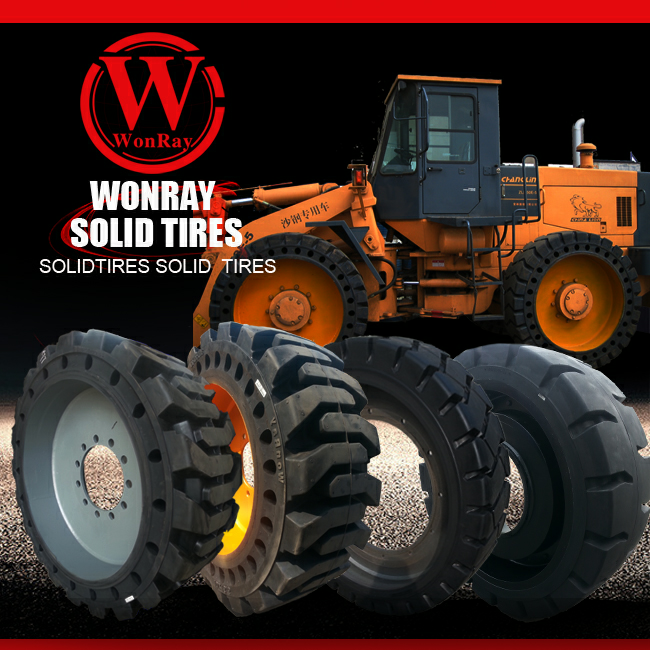
Advantages Over Pneumatic Wheels
While pneumatic tires provide a smoother ride, solid wheels offer several advantages in industrial settings:
● Reduced Maintenance
No air pressure monitoring or patch repairs are required, saving time and operational costs.
● Longer Lifespan
Solid construction resists wear, sharp objects, and environmental degradation, often outperforming pneumatic alternatives in high-intensity settings.
● Consistent Performance
The wheel maintains a stable diameter and traction over time, reducing operational inconsistencies.
● Enhanced Safety
Solid wheels reduce the likelihood of sudden deflation, preventing accidents in busy industrial environments.
For industrial operations where downtime can be costly, these benefits make 16 Inch Solid Wheels a strategic choice.
Selection Considerations for B2B Buyers
When procuring 16 Inch Solid Wheels, buyers should consider several technical and operational factors:
● Load Capacity Requirements
Ensure the wheels can handle the maximum expected load without compromising safety or performance.
● Material Choice
Rubber wheels provide shock absorption and quiet operation, while polyurethane wheels offer higher abrasion resistance and chemical stability.
● Compatibility with Equipment
Check hub size, bolt pattern, and mounting type to ensure seamless integration with forklifts, trolleys, or other machinery.
● Operational Environment
Consider temperature extremes, exposure to chemicals, and terrain type, as these factors affect wheel material and design requirements.
● Manufacturer Quality and Standards
High-quality wheels produced with consistent material and dimensional standards reduce the risk of operational issues and maintenance overhead.
By carefully evaluating these factors, B2B buyers can select wheels that enhance productivity, safety, and cost-efficiency.
Maintenance Tips for 16 Inch Solid Wheels
Although these wheels require minimal maintenance compared to pneumatic alternatives, proper care ensures longevity:
● Regularly inspect wheels for wear or cracks.
● Clean wheels to prevent buildup of debris or chemicals that may degrade material.
● Ensure proper alignment and tight mounting to prevent uneven wear.
● Rotate wheels if applicable to maintain consistent performance.
Implementing simple maintenance routines can significantly extend wheel lifespan and reduce downtime.
Market Trends and Industry Insights
The demand for 16 Inch Solid Wheels is growing alongside automation and industrial expansion:
● Increasing warehouse automation and forklift use.
● Expansion of e-commerce logistics requiring durable material handling solutions.
● Rising demand for low-maintenance, long-lasting industrial components.
● Advancements in polyurethane and rubber technologies improving wheel durability and load capacity.
B2B suppliers and manufacturers who offer high-quality 16 Inch Solid Wheels are well-positioned to support these expanding industrial markets.
Conclusion
16 Inch Solid Wheels are a critical component in industrial and material handling operations, offering high load capacity, puncture resistance, and low maintenance requirements. Their robust construction ensures consistent performance in demanding environments, making them ideal for warehouses, construction sites, manufacturing plants, and logistics hubs.
For B2B buyers, investing in quality 16 Inch Solid Wheels translates into improved equipment reliability, reduced downtime, and long-term operational cost savings. As industrial operations continue to expand, these wheels remain a reliable and strategic solution for modern heavy-duty applications.
FAQ
1. What industries typically use 16 Inch Solid Wheels?
They are commonly used in warehousing, logistics, construction, manufacturing, agriculture, and port handling, where heavy loads and continuous operations are common.
2. How do 16 Inch Solid Wheels compare to pneumatic wheels?
Solid wheels require less maintenance, resist punctures, and provide consistent performance, making them more reliable in heavy-duty industrial settings.
3. What materials are used for 16 Inch Solid Wheels?
They are typically made from high-quality rubber or polyurethane compounds bonded to a steel hub, providing durability, abrasion resistance, and chemical stability.
4. How should B2B buyers select the right 16 Inch Solid Wheels?
Buyers should consider load capacity, material type, equipment compatibility, operational environment, and manufacturer quality standards to ensure optimal performance and safety.
Post time: 11-03-2026