
In industrial and commercial operations, the choice of tires plays a pivotal role in ensuring safety, performance, and operational efficiency. 16 Inch Solid Rubber Tires have become an essential component for forklifts, warehouse trolleys, construction equipment, and other industrial vehicles. These tires are designed to handle heavy loads, resist punctures, and provide long-lasting stability. Businesses that invest in high-quality 16-inch solid rubber tires can significantly reduce downtime, maintenance costs, and operational disruptions.
Understanding 16 Inch Solid Rubber Tires
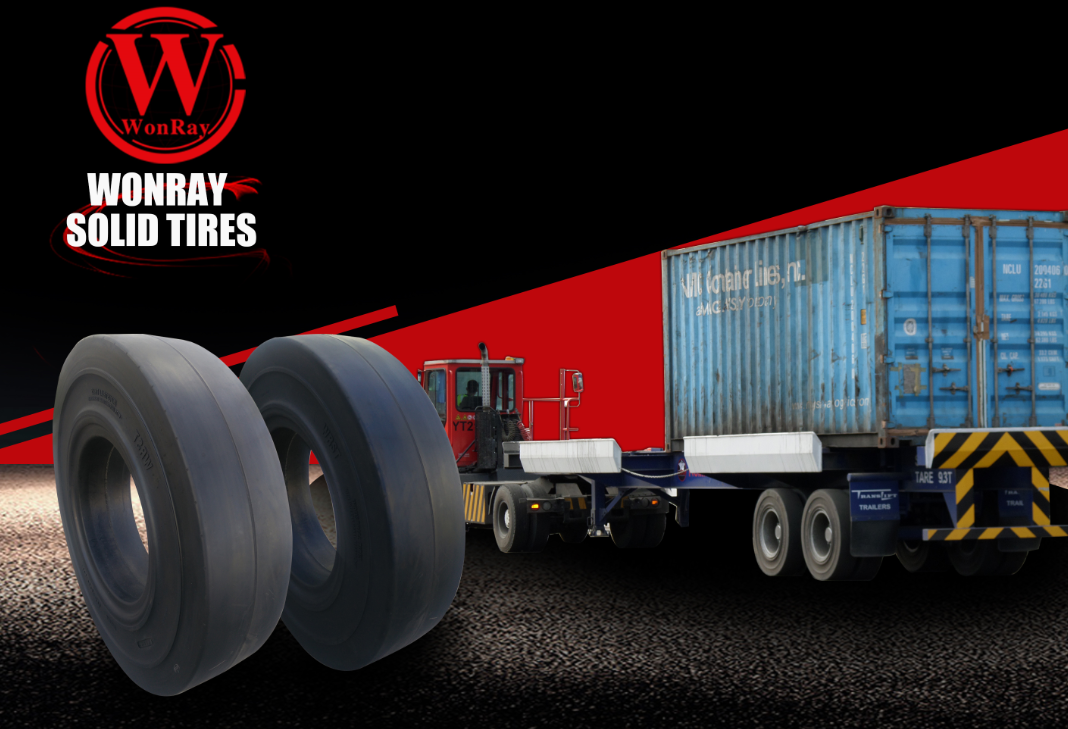
16 Inch Solid Rubber Tires are constructed from dense rubber compounds or polymer blends that form a solid, airless design. Unlike pneumatic tires, which rely on air pressure to maintain shape, solid rubber tires are entirely resistant to flats, blowouts, and punctures. This design makes them particularly suitable for environments where debris, sharp objects, or rough terrain could compromise traditional tires.
Key characteristics of these tires include:
● Solid construction for enhanced durability and reliability
● High load-bearing capacity suitable for industrial vehicles
● Puncture resistance that reduces unexpected downtime
● Excellent stability on uneven or rough surfaces
● Low maintenance requirements due to the absence of air pressure
The 16-inch size is ideal for mid-sized industrial vehicles, offering a balance between maneuverability and load support. This makes them versatile for indoor warehouse operations as well as outdoor industrial settings.
Benefits of 16 Inch Solid Rubber Tires
The advantages of using 16 Inch Solid Rubber Tires extend beyond simple durability. For B2B operations, these benefits translate into real cost savings and operational improvements:
● Durability and Longevity: Solid rubber construction allows the tires to endure harsh surfaces, heavy loads, and continuous operation. This translates to a longer lifespan compared to pneumatic tires and reduces the frequency of replacements.
● Enhanced Stability and Safety: The firm, puncture-resistant design ensures that vehicles remain stable, even under heavy loads or on uneven surfaces. Reduced risk of blowouts or flats lowers the chance of accidents, creating safer working environments for operators.
● Cost-Effective Solution: While the initial investment may be higher than standard pneumatic tires, the long-term benefits outweigh the upfront cost. Reduced maintenance, fewer replacements, and uninterrupted operations provide significant cost savings for industrial operations.
● Low Maintenance Requirements: Unlike pneumatic tires that require regular air pressure checks and patching, 16-inch solid rubber tires require minimal upkeep. This frees up resources and reduces labor costs associated with tire maintenance.
● Improved Traction and Performance: Solid rubber tires offer reliable grip on both smooth warehouse floors and rough outdoor surfaces. The consistent performance ensures that vehicles can operate efficiently across multiple environments without performance loss.
● Environmental Benefits: Longer lifespan and reduced waste from tire replacements contribute to more sustainable operations. Choosing solid rubber tires supports eco-friendly practices in industrial and commercial settings.
● Versatility Across Applications: From forklifts and trolleys to light construction and logistics vehicles, these tires are compatible with a variety of industrial equipment. Their adaptability makes them a practical choice for businesses that operate in diverse environments.
Applications of 16 Inch Solid Rubber Tires
16 Inch Solid Rubber Tires are widely used in industrial and commercial vehicles that require durability, stability, and minimal maintenance:
● Forklifts for warehouse and logistics operations
● Industrial carts and trolleys used in factories and manufacturing facilities
● Light construction vehicles that operate on rough terrain
● Airport ground support vehicles and baggage carts
● Material handling equipment in logistics and distribution centers
The ability to perform reliably in multiple environments makes these tires an ideal solution for businesses seeking operational efficiency and reduced downtime.
Factors to Consider When Choosing 16 Inch Solid Rubber Tires
Selecting the right tire is crucial for optimizing performance and ensuring safety. Businesses should evaluate the following factors:
● Load Capacity: Ensure the tire can handle the maximum operational weight of the vehicle. Overloading can reduce tire lifespan and compromise safety.
● Operating Environment: Tires for indoor use may require a different tread pattern than those for outdoor or rough terrain.
● Frequency of Use: Vehicles that operate continuously may benefit from high-durability tires to withstand long operational hours.
● Maintenance Considerations: Minimal-maintenance tires improve operational efficiency and reduce labor costs.
● Compatibility: Verify that the tires match the 16-inch rim specifications of the vehicle for proper fit and performance.
By considering these factors, businesses can select tires that enhance safety, efficiency, and cost-effectiveness while minimizing operational interruptions.
Conclusion
16 Inch Solid Rubber Tires offer unmatched durability, stability, and efficiency for industrial and commercial vehicles. They provide puncture resistance, long service life, and consistent performance across diverse environments. Investing in high-quality solid rubber tires enables businesses to reduce maintenance costs, prevent downtime, and ensure a safe working environment. For companies operating in warehouses, logistics centers, and industrial sites, these tires are a strategic choice for optimizing vehicle performance and operational efficiency.
FAQ
Q1: What types of vehicles are suitable for 16 Inch Solid Rubber Tires?
● They are ideal for forklifts, industrial trolleys, material handling vehicles, light construction machinery, and airport ground support equipment.
Q2: How do 16 Inch Solid Rubber Tires compare to pneumatic tires?
● Solid tires are puncture-proof, require minimal maintenance, and have a longer lifespan. Pneumatic tires provide cushioning but are more prone to flats and require regular air pressure checks.
Q3: Can 16 Inch Solid Rubber Tires be used outdoors?
● Yes, they are designed to handle rough surfaces, uneven terrain, and outdoor industrial conditions without compromising stability or safety.
Q4: What factors should businesses consider when selecting these tires?
● Consider load capacity, operational environment, maintenance requirements, frequency of use, and compatibility with 16-inch rims to ensure optimal performance and efficiency.
Post time: 27-01-2026