
In industrial environments where stability, load-bearing performance, and long-term durability are required, solid rubber wheels with bearings have become one of the most dependable wheel systems. These wheels are widely used in material handling equipment, warehouse solutions, construction platforms, carts, dollies, logistics systems, and automated machinery. Their strength, bearing-integrated rotation mechanism and puncture-resistant design make them essential for businesses that rely on safe mobility and uninterrupted equipment performance.
As operations across logistics, warehousing, manufacturing and heavy-duty industry become more automated, demand for wheels that can support high loads, smooth transportation and long usage cycles continues to rise.
What Are Solid Rubber Wheels With Bearings?
Solid rubber wheels with bearings are wheel components made from molded rubber with an integrated bearing hub. Unlike pneumatic tires, they do not contain air, which eliminates the risk of puncture or pressure loss. The bearings allow for smooth rotation, lower friction, and stable movement even when carrying heavy loads.
These wheels are ideal for equipment that requires consistent performance, minimal maintenance and long-term service life.
Typical application environments include:
• Warehouse material handling
• Industrial carts and machinery
• Scissor lifts and aerial work platforms
• Transport logistics and shipping facilities
• Manufacturing and assembly workshops
Key Advantages of Solid Rubber Wheels With Bearings
Solid rubber wheels deliver multiple technical and operational benefits.
1. High durability and long operating life
• Puncture-proof and abrasion-resistant
• Highly resistant to sharp objects and rough floor surfaces
• Suitable for both indoor and outdoor use
2. Strong load-bearing capacity
• Capable of handling heavy machinery and equipment
• Provides structural support and mobility for industrial loads
• Stable performance under continuous use
3. Smooth and efficient movement
The integrated bearings provide:
• Low rolling resistance
• Reduced friction
• Smooth handling and predictable motion
This allows operators to maneuver equipment easily in demanding working environments.
4. Low maintenance and cost effectiveness
• No air pressure checks or refilling required
• Minimal servicing and downtime
• Reduced replacement frequency
For businesses managing large fleets of equipment, this translates into lower total operating cost.
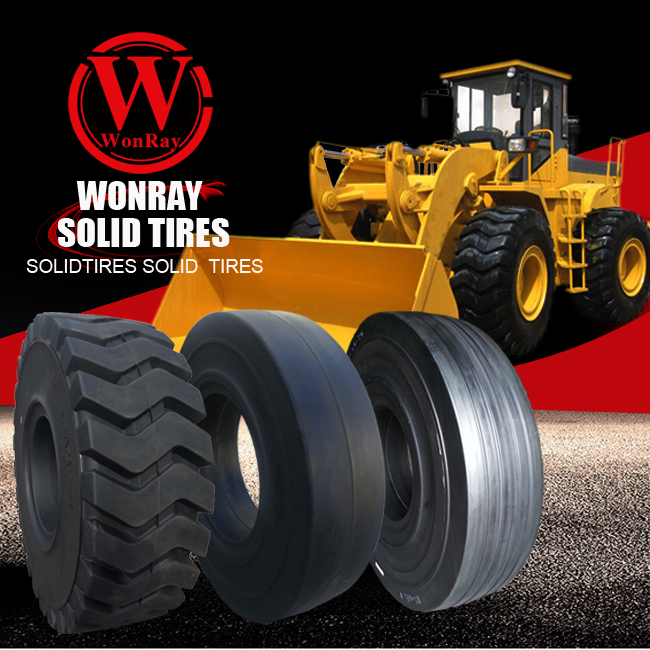
Types of Solid Rubber Wheels With Bearings
Different wheel structures are available depending on equipment type and usage conditions.
Common categories include:
• Steel-core solid wheels
• Polypropylene-core wheels
• High-elasticity rubber wheels
• Indoor non-marking wheels
• Heavy-duty industrial wheels
Each type offers different benefits such as corrosion resistance, noise reduction or increased shock absorption.
Bearing types often include:
• Ball bearings
• Roller bearings
• Needle bearings
• Sealed bearings for dust protection
The choice depends on application speed, load requirements and operating environment.
Main Industrial Applications
Solid rubber wheels with bearings are widely used in:
• Scissor lift platforms
• Factory and warehouse equipment
• Tool carts and dollies
• Material handling trolleys
• Airport and terminal equipment
• Construction machinery
• Industrial automation systems
These wheels are preferred for equipment that requires safety, reliability and mobility under demanding operations.
Why Industry Professionals Prefer Solid Rubber Wheels
B2B users and equipment manufacturers choose solid rubber wheels because they solve several common industrial challenges:
• Reduced workplace downtime
• Safer handling on uneven surfaces
• Long-term performance in harsh conditions
• Compatibility with OEM and replacement parts
Their robust structure allows them to operate reliably in environments where pneumatic or plastic wheels would fail.
Selection Considerations for B2B Buyers
When choosing solid rubber wheels with bearings, industrial buyers usually evaluate:
• Load capacity and wheel diameter
• Bearing type and durability
• Rubber composition and hardness
• Floor conditions and application frequency
• Compatibility with existing equipment
• Noise and vibration control
Choosing the right wheel specification enhances equipment performance and reduces maintenance.
Solid Rubber Wheels vs. Pneumatic Wheels
Advantages of solid rubber wheels:
• No punctures or pressure loss
• Longer working life
• Higher load capacity
• Lower maintenance
Limitations:
• Slightly less shock absorption than air-filled wheels
Because of this, they are ideal for stable indoor and industrial use.
Market Demand and Industry Trends
With the growth of automation, warehousing, online fulfillment and manufacturing, demand for solid rubber wheels continues to increase. Market trends include:
• More specialized wheel materials
• Higher load-bearing engineering design
• Increased demand for non-marking and low-noise wheels
• Enhanced bearing protection and sealing systems
As equipment and logistics technology evolves, wheel performance will remain a core focus of operational improvement.
Conclusion
The solid rubber wheels with bearings provide a durable, reliable and low-maintenance mobility solution for industrial applications. Their strong load-bearing capacity, puncture-proof design and smooth rolling performance make them ideal for factories, warehouse operations and material handling equipment. For B2B buyers, choosing the right wheel specification helps improve operational efficiency, reduce maintenance downtime and optimize equipment life cycle.
FAQ
1. What industries use solid rubber wheels with bearings?
Common users include manufacturing plants, warehouse equipment, logistics systems and scissor lifts.
2. Are solid rubber wheels suitable for heavy-duty equipment?
Yes. They can support high loads and continuous operation for industrial machinery.
3. Do solid rubber wheels require maintenance?
Minimal maintenance is needed since there is no risk of puncture or air leakage.
4. Can these wheels be customized?
Yes. Wheel size, bearing type, load capacity and rubber composition can usually be customized.
Post time: 01-12-2025